

When designing for colorblind audiences, focus on high contrast and avoid relying solely on color to communicate information. Use supplementary cues like textures, patterns, labels, or icons to enhance understanding. Make certain your color choices align with common color vision deficiencies and test your designs with tools that simulate how people perceive colors. Prioritizing these strategies ensures your content stays clear and inclusive—if you want to learn more, there’s much more to explore.
Key Takeaways
- Use high contrast color combinations and verify accessibility with contrast checkers.
- Incorporate additional visual cues like patterns, icons, or labels alongside color.
- Avoid relying solely on color to convey information; ensure clarity through multiple indicators.
- Test designs with color blindness simulation tools to identify and fix accessibility issues.
- Maintain consistent color schemes and design elements to support user learning and comprehension.

Designing for colorblind audiences requires more than just choosing the right colors; it involves understanding how different types of color vision deficiencies affect the way people perceive visual information. When you focus on color accessibility, you’re guaranteeing that your design remains effective and inclusive for everyone, regardless of how they see color. One of the key principles to keep in mind is visual contrast. It’s not enough to rely solely on color differences; you need to create enough contrast between elements so that they stand out clearly to all viewers. For example, if you’re using red and green to distinguish items, you should also incorporate other visual cues like patterns, labels, or shapes to support those colors. This way, even if someone has difficulty differentiating between certain hues, they can still interpret the information accurately.
You should also be mindful of how color accessibility impacts readability and navigation. For text and background combinations, high contrast is essential. Black text on a white background is a classic example, but you can also explore other combinations that meet contrast standards. Tools like contrast checkers help you verify that your color choices meet accessibility guidelines, making sure your content remains legible for everyone. When designing with colorblind users in mind, avoid using color as the sole means of conveying important messages. Instead, supplement color cues with icons, patterns, or text labels. For instance, if you’re designing a chart, add different textures or shapes to distinguish data points. This approach ensures that your audience can interpret your visuals even if they can’t perceive color differences fully.
Another aspect to think about is the consistency of your color palette. Using predictable color schemes helps users learn how to interpret your visuals. For example, if red always indicates errors and green signifies success, users will quickly understand the meaning without relying solely on color perception. Remember, different types of color blindness affect perception differently; some individuals may struggle with reds and greens, while others might have difficulty distinguishing blues and yellows. In order to accommodate this, test your designs with simulation tools that mimic various color vision deficiencies. Doing so allows you to identify and correct potential accessibility issues before your audience encounters your work. Additionally, advancements in AI, like the SmartCR system, can assist in evaluating and enhancing the accessibility of your designs. Ultimately, prioritizing color accessibility and visual contrast in your design process creates a more inclusive experience, making your content accessible, understandable, and useful to everyone.

BENECREAT 5.1×2.3×0.6 inch Handmade Artist's Color Checker, Beechwood Painting Color Accessories Tool for Correct Mix of Oil/Acrylic Paint, Hole: 8mm
Size: Acrylic paint mixer is 130mm/5.1inch long, 59mm/2.3inch wide, 16mm/0.6inch thick, hole: 8mm, the size is perfect for…
As an affiliate, we earn on qualifying purchases.
As an affiliate, we earn on qualifying purchases.
Frequently Asked Questions
How Can I Test My Designs for Colorblind Accessibility?
You can test your designs for colorblind accessibility by using tools like color blindness simulators to see how your color palette selection appears to those with various types of color vision deficiencies. Additionally, gather user feedback methods, such as surveys or usability testing with colorblind individuals, to identify potential issues. These steps help you verify your design remains clear and accessible, regardless of color perception differences.
Are There Specific Tools to Simulate Colorblind Viewing?
Think of accessibility testing tools as your window to different color visions. Yes, there are specific tools for color vision simulation, like Coblis and Visolve, that let you see how your designs appear to colorblind users. These accessibility testing tools help you identify potential issues early, ensuring your design communicates effectively to everyone. Use them regularly to create inclusive, universally understandable designs that break down visual barriers.
What Are Common Mistakes to Avoid in Colorblind Design?
You should avoid overusing color, which can make it hard for colorblind users to distinguish information. Ignoring accessibility is a common mistake, so always consider contrast and alternative cues like patterns or labels. Don’t rely solely on color to convey meaning, and test your designs with tools to guarantee everyone can access your content. By being mindful, you create a more inclusive experience for all users.
How Does Color Contrast Impact Readability for Colorblind Users?
Coincidence often highlights how vital color contrast is; it directly impacts readability for colorblind users. When you guarantee sufficient color contrast, you improve visual clarity, making content easier to distinguish and understand. Poor contrast can cause confusion or misinterpretation, especially for those with color vision deficiencies. By prioritizing high contrast between text and background, you create an accessible experience that’s inclusive and effective for all users.
Can Colorblind-Friendly Designs Be Visually Appealing to All Users?
Yes, colorblind-friendly designs can be visually appealing to all users. By using inclusive color palettes and focusing on universal aesthetics, you create designs that are accessible and attractive to everyone. You blend functionality with beauty, ensuring your visuals are engaging without relying solely on color. This approach promotes inclusivity while maintaining a sleek, professional look that resonates across diverse audiences.

Cliozenitic Color Blind Glasses, Premium Color blind Glasses for Men, ColorBlindglasses that Bring a Colorful World are Suitable for Any Environment
See a World of Vibrant Color: Experience in color perception with these Color Blind Glasses. Color blind Glasses…
As an affiliate, we earn on qualifying purchases.
As an affiliate, we earn on qualifying purchases.
Conclusion
As you finish designing, you realize it’s no coincidence that your work now feels more inclusive. By considering colorblind audiences, you’ve unintentionally created visuals that everyone can enjoy, whether they see colors differently or not. It’s funny how small tweaks can make a big difference—like opening a window you didn’t know was closed. So, keep this approach in mind; sometimes, the best designs happen when you least expect it, just like a perfect coincidence.

Black Background Easter Egg Coloring Book for Adults: 40 Unique Relaxing Patterns in High Contrast to Calm Your Mind And Stress Relief
As an affiliate, we earn on qualifying purchases.
As an affiliate, we earn on qualifying purchases.
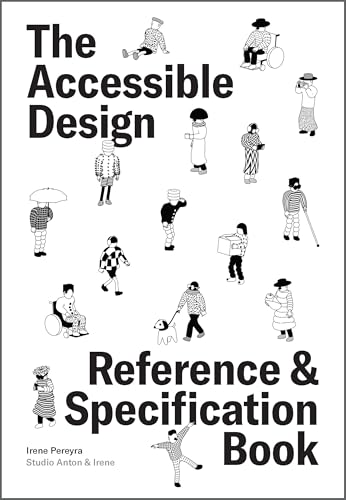
The Accessible Design Reference and Specification Book: What Every Digital Designer Should Know
As an affiliate, we earn on qualifying purchases.
As an affiliate, we earn on qualifying purchases.