
To create minimalist color schemes for modern design, focus on using a limited palette of 2-3 hues that reflect your desired mood, such as neutral tones for versatility or bold accents for contrast. Emphasize simplicity by experimenting with shades, tints, and subtle variations to add depth without clutter. Balance color contrast with negative space and maintain deliberate choices for an elegant, impactful look. Keep exploring to discover how this approach can elevate your style even further.

Get the latest gadgets delivered free — and shop member deals
- Fast, free delivery on millions of items
- Access to Prime Big Deal Days deals on October 6–7
- Prime Video, Amazon Music and more included
Key Takeaways
- Use a limited palette of 2-3 neutral and accent hues for clarity and modern sophistication.
- Incorporate monochrome variations to create depth while maintaining simplicity.
- Prioritize high contrast between core colors and negative space for visual impact.
- Experiment with saturation and tone shifts to add subtle interest without clutter.
- Balance color contrasts with ample negative space to achieve an elegant, minimalist aesthetic.
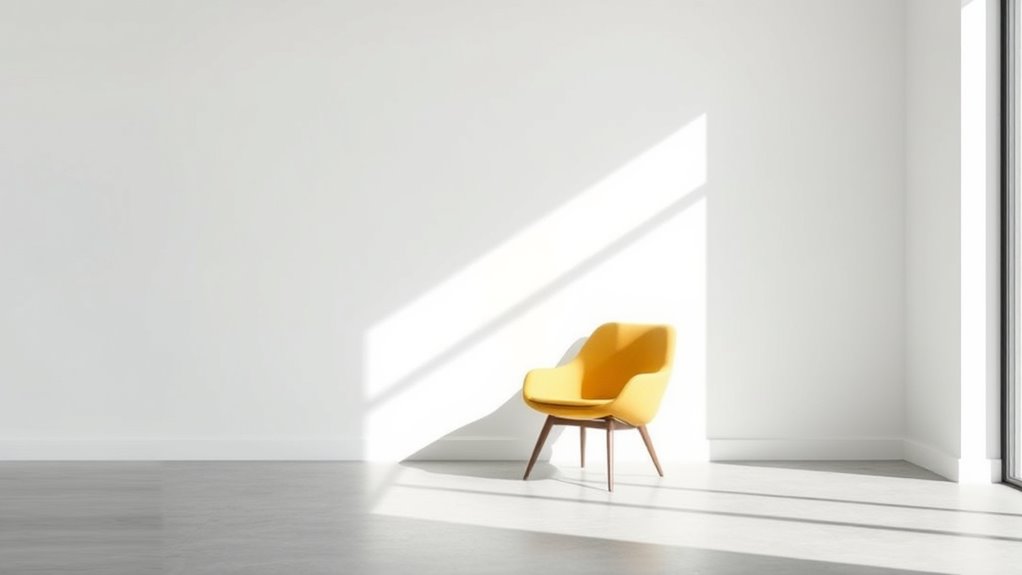
Have you ever wondered how to create a striking design with just a few colors? It all begins with thoughtful color palette selection. When aiming for a minimalist look, choosing the right colors is essential because it sets the tone and mood of your entire design. Keep it simple by focusing on a limited palette, often just two or three hues, to guarantee clarity and cohesion. Think about the overall message you want to convey—calmness, sophistication, energy—and select colors that reflect that. Neutral tones like whites, grays, and beiges are popular for their versatility, but don’t hesitate to add a bold accent color for contrast. Remember, fewer colors mean each one has to do more work, so pick hues that complement each other and maintain visual harmony.
Once your palette is in place, you can explore monochrome contrasts to elevate your design. Monochrome contrasts involve using variations of a single color—different shades, tints, and tones—to create depth and visual interest without overwhelming the viewer. This technique is especially effective in minimalist design because it maintains simplicity while adding subtle layers of complexity. For example, pairing a light gray background with darker charcoal elements creates a sleek, modern look that’s easy on the eyes. You can also experiment with saturation levels: a desaturated hue paired with a more vibrant version can highlight focal points without cluttering the design. Monochrome contrasts help you achieve a nuanced aesthetic that feels intentional and refined, making your work stand out through subtle variations rather than loud, contrasting colors.
In addition, integrating space and form effectively can enhance the impact of your color choices, as thoughtful use of negative space emphasizes contrast and creates balance. When combining color palette selection with monochrome contrasts, aim for balance—too much contrast can feel jarring, while too little can be dull. The key is moderation; small shifts in tone and hue can create a sophisticated, modern vibe that’s both minimal and engaging. By carefully selecting your colors and employing monochrome contrasts, you’ll craft a clean, impactful design that resonates with your audience. Minimalism isn’t about sparse emptiness but about deliberate choices—where every color and contrast plays an essential role in conveying your message with clarity and elegance.
As an affiliate, we earn on qualifying purchases.
Frequently Asked Questions
How Do I Choose the Right Accent Colors for Minimalism?
To choose the right accent colors, focus on creating monochrome harmony by selecting shades within the same color family for subtle contrast. Use color contrast techniques like pairing dark and light tones to add visual interest without disrupting simplicity. Consider your space’s natural light and overall mood—bold accents work well for energy, while muted ones keep it calm. Keep it balanced, and let your accent colors enhance your minimalist aesthetic seamlessly.
Can Minimalist Color Schemes Work in Small Spaces?
You might think minimalist color schemes don’t work well in small spaces, but they actually enhance them. Monochrome palettes create a sense of openness and calm, making your room appear larger. Color psychology shows that neutral tones reduce visual clutter and stress. By using simple, cohesive shades, you keep the space feeling airy and uncluttered. So yes, minimalist color schemes are an excellent choice to maximize small spaces.
What Are Common Mistakes When Selecting Colors?
When selecting colors, you often make mistakes like ignoring color psychology and cultural influences. You might choose shades that evoke unintended emotions or clash with cultural meanings, leading to miscommunication. To avoid this, research how colors impact mood and understand cultural symbolism. Be mindful of how different hues influence perception, ensuring your choices create the desired atmosphere and resonate appropriately with your audience.
How Do I Incorporate Textures With Minimalist Colors?
Did you know that 75% of modern spaces use texture contrast to create visual interest? To incorporate textures with minimalist colors, focus on material layering, like pairing smooth surfaces with rougher ones. Use subtle variations in textiles, wood, or metal to add depth without overwhelming the palette. This approach enhances your space’s tactile experience while maintaining a clean, modern aesthetic. Keep it simple, yet rich in texture.
Are Minimalist Color Schemes Suitable for Commercial Design?
Yes, minimalist color schemes work well for commercial design because they allow your bold branding to stand out. You can incorporate vibrant accents to draw attention to key areas or products, creating a sleek, modern look. Using a simple, clean palette helps emphasize your brand identity without overwhelming viewers. This approach keeps your space inviting and professional, making it easier for customers to focus on what matters most—your brand and messaging.
As an affiliate, we earn on qualifying purchases.
Conclusion
Incorporate inspiring, innovative, and inviting minimalist color schemes to elevate your modern design. By blending bold, beautiful hues with subtle, soothing shades, you create mesmerizing, cohesive spaces that communicate clarity and calm. Remember, simplicity sparks sophistication, so select colors carefully and confidently. With mindful mastery of minimalism’s magic, you’ll make your modern design more memorable, meaningful, and enchanting. Embrace the elegance of understated palettes and elevate your environment effortlessly!
As an affiliate, we earn on qualifying purchases.
As an affiliate, we earn on qualifying purchases.
Fall Picks
fall essentials
As an affiliate, we earn on qualifying purchases.