

In graphic design, negative space and light work together to create visuals that are striking and clear. You can use negative space to add depth, guide the viewer’s eye, and emphasize key messages, while light highlights focal points and enhances contrast. Proper balance of space and illumination helps your design feel balanced and engaging. By mastering these elements, you’ll craft compelling visuals—keep exploring to discover how to harness their full potential.
Key Takeaways
- Negative space enhances visual clarity by framing elements and creating depth, guiding viewer focus effectively.
- Light emphasizes key design features through shadows and highlights, adding dimension and contrast.
- Strategic use of negative space and light establishes visual hierarchy, making important messages stand out.
- Contrasting colors and illumination work together to attract attention while preventing clutter.
- Balancing negative space and light results in harmonious, impactful designs that communicate clearly.

Have you ever noticed how clever use of negative space and light can transform a simple design into something striking? When you harness these elements effectively, your visuals gain depth, clarity, and visual intrigue. Negative space isn’t just empty; it’s an active component that frames your main message and guides the viewer’s eye. Light, whether natural or artificial, highlights key areas and creates contrast, making your design more engaging. Together, negative space and light shape the viewer’s perception, but understanding how to manipulate these elements is essential for a compelling design.
A vital aspect to consider is typography hierarchy. When you use negative space wisely, you emphasize specific text elements—headlines, subheadings, or calls to action—by giving them room to breathe. This creates a visual hierarchy that directs attention naturally. For example, a bold headline surrounded by ample negative space becomes instantly more prominent, guiding the viewer’s eye to the most important information first. Proper use of color contrast enhances this effect, ensuring that text stands out against its background. High contrast between text and background makes reading effortless and improves accessibility, especially when combined with strategic negative space. Light can further amplify this by casting subtle shadows or highlights, adding dimensionality that makes your typography pop.
Color contrast plays a pivotal role in defining the visual structure of your design. When you choose contrasting colors—such as dark text on a light background or complementary hues—you create a dynamic interplay that attracts attention and improves readability. Negative space becomes a balancing act; it acts as a buffer that prevents your design from feeling cluttered, even when high contrast is used. Light can be employed to soften harsh contrasts or to create focal points, drawing the viewer’s eye to specific areas. For instance, a splash of bright color against a muted negative space background draws attention without overwhelming the overall composition. The key is to strike harmony between contrast, space, and light, so your message remains clear and visually appealing. Additionally, understanding visual hierarchy helps you prioritize elements effectively, guiding viewers through your design intuitively.
In essence, mastering negative space and light in graphic design requires a thoughtful approach to typography hierarchy and color contrast. When you effectively combine these elements, your designs become visually striking and easier for viewers to interpret. It’s not just about filling space but understanding how to create balance and emphasis through contrast and illumination. By doing so, you craft visuals that not only capture attention but also communicate your message with clarity and impact.

Japanese Design Motifs: 4,260 Illustrations of Japanese Crests
As an affiliate, we earn on qualifying purchases.
As an affiliate, we earn on qualifying purchases.
Frequently Asked Questions
How Does Negative Space Influence Brand Recognition?
Negative space plays a vital role in brand recognition by creating visual balance and emphasizing key elements. When you use negative space effectively, it guides viewers’ eyes through the design, establishing a clear visual hierarchy. This makes your brand memorable and easily recognizable, as the clean, uncluttered look helps your logo or message stand out. You influence perception directly, making your brand more impactful through thoughtful use of negative space.
What Are Common Mistakes in Using Light in Design?
You might think lighting techniques are straightforward, but common mistakes like overexposing or underlighting can ruin your design’s visual hierarchy. You could also neglect to contemplate how light interacts with negative space, making your message unclear. To avoid these pitfalls, plan your lighting carefully to guide viewers’ eyes and enhance contrast. Remember, effective lighting emphasizes key elements and creates depth, making your design more engaging and memorable.
Can Negative Space Evoke Specific Emotions?
Yes, negative space can evoke specific emotions by enhancing the emotional impact of your design. When you strategically use empty areas, you guide the viewer’s focus and create a sense of calm, tension, or excitement. Negative space strengthens your visual storytelling, making your message clearer and more powerful. By thoughtfully balancing negative space, you can influence how your audience feels and connect more deeply with your overall design.
How Do Cultural Differences Affect Perceptions of Light and Space?
Cultural differences greatly influence how you perceive light and space. You might associate bright, open spaces with positivity in one culture, while another might view them as overwhelming or empty. Cultural symbolism shapes these perceptions, affecting your emotional response. Perceptual differences mean you interpret light and space based on your cultural background, altering the way you experience visual elements in design. Recognizing this helps you create more culturally sensitive, effective visuals.
What Tools Are Best for Experimenting With Negative Space?
You should try using vector graphic tools like Adobe Illustrator or free options like Inkscape to experiment with negative space. These tools help you adjust visual balance and explore compositional techniques easily. Play with shape placement, contrast, and empty areas to create impactful designs. By iterating and analyzing your work, you’ll discover how negative space enhances your visual storytelling and creates more engaging, balanced compositions.

2-Pack LED Video Light Kit, NiceVeedi Studio Light, 2800-6500K Dimmable Photography Lighting Kit with Tripod Stand&Phone Holder, 73" Stream Light for Video Recording, Game Streaming, YouTube
【MULTIPLE COLOR TEMPERATURE & ADJUSTABLE BRIGHTNESS】There are 3 Color temperatures (2800K, 4800K & 6500K) which offer different lighting…
As an affiliate, we earn on qualifying purchases.
As an affiliate, we earn on qualifying purchases.
Conclusion
Think of negative space and light as the silent artists behind your design’s story. They hold the power to guide your viewer’s eye, create balance, and reveal hidden meaning—kind of like a lighthouse guiding ships safely ashore. When you master these elements, your designs become more than just visuals; they become a journey. Embrace the interplay, and watch your work shine with clarity and purpose, illuminating your audience’s understanding effortlessly.

Designing Type
As an affiliate, we earn on qualifying purchases.
As an affiliate, we earn on qualifying purchases.
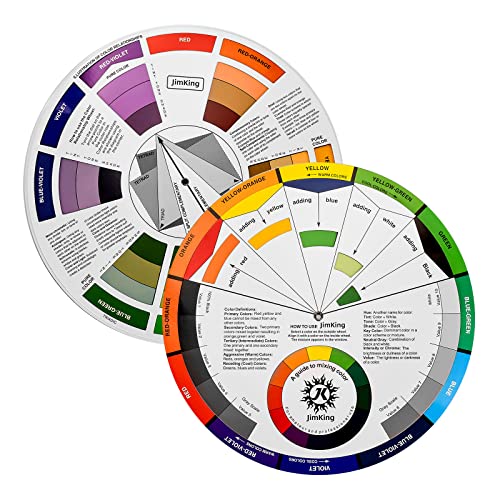
JimKing Creative Color Wheel, Paint Mixing Learning Guide, Art Class Teaching Tool for Makeup Painting Tattoo,Blending Board Chart Color Mixed Guide Hardboard(9.25inch)
Helps organise colours to make choices and combinations easier;Defines common terms and helps the artist to understand colour…
As an affiliate, we earn on qualifying purchases.
As an affiliate, we earn on qualifying purchases.