Larger camera sensors generally give you better image quality because they capture more light, improve detail, and reduce noise, especially in low-light situations. This means your photos will look sharper, clearer, and have better color accuracy. You’ll also get a pleasing background blur or bokeh for portraits. Keep exploring to discover how sensor size interacts with other factors that influence your photos and why choosing the right size matters.
Key Takeaways
- Larger sensors capture more light, resulting in better image quality, lower noise, and enhanced dynamic range.
- Bigger sensors excel in low-light conditions, producing clearer images with less grain.
- They enable a more pronounced background blur (bokeh) for aesthetic depth effects.
- Sensor size influences portability; larger sensors often require bigger, heavier cameras and lenses.
- Advances in sensor technology are narrowing quality gaps between smaller and larger sensors.

The size of a camera sensor plays a essential role in determining the quality of your images. When you look into different cameras, you’ll notice a variety of sensor sizes, from tiny sensors in smartphones to large sensors in professional DSLRs and mirrorless cameras. Conducting a sensor size comparison helps you understand how these differences impact your photography. Larger sensors generally gather more light, which improves image quality factors like dynamic range, noise performance, and color fidelity. This means that in low-light situations, cameras with bigger sensors tend to produce cleaner, sharper images with less grain. On the other hand, smaller sensors often struggle in dim conditions, producing images with more noise, but they can still deliver good results in well-lit environments.
Larger camera sensors capture more light, boosting image quality and low-light performance.
Sensor size influences depth of field as well. Larger sensors allow you to create a beautiful background blur, or bokeh, that isolates your subject and adds a professional touch to your photos. Smaller sensors, due to their inherent depth of field, tend to keep more of the scene in focus, which can be advantageous for landscape or macro photography but less desirable when you want a shallow depth of field. When considering image quality factors, it’s essential to recognize that sensor size isn’t the only element at play. Lens quality, pixel count, and image processing algorithms also considerably affect your final output. However, a larger sensor provides more room for bigger pixels, which can capture more light and enhance overall image clarity.
Another critical aspect of sensor size comparison is how it impacts your equipment’s size and portability. Larger sensors usually mean bigger, heavier cameras and lenses, which might not be convenient if you prefer traveling light. Conversely, smaller sensors enable compact camera designs that are easier to carry around, although they might sacrifice some image quality, particularly in challenging lighting conditions. Keep in mind that advancements in sensor technology, like back-illuminated sensors and stacked designs, continue to narrow the gap, allowing smaller sensors to perform better than ever before. Additionally, understanding sensor technology can help you appreciate the innovations that improve performance regardless of size.
Ultimately, understanding the relationship between sensor size and image quality factors helps you make smarter choices based on your needs and shooting style. Whether you prioritize superb low-light performance, shallow depth of field, or a lightweight setup, knowing how sensor size comparison influences these elements ensures you select a camera that aligns with your expectations. Remember, while bigger sensors generally offer superior image quality, the best camera for you depends on balancing sensor size with other features and your specific photographic goals.

Canon EOS Rebel T7 DSLR Camera Double Zoom Lens Kit with EF-S 18-55mm and EF 75-300mm Lenses, 24.1 Megapixel CMOS (APS-C) Sensor, Full HD Videos, Wi-Fi, Beginner Photographers, Digital Camera, Black
Improved Dual Pixel CMOS AF and eye detection AF 24.1 Megapixel CMOS (APS-C) sensor with is 100–6400 (H:…
As an affiliate, we earn on qualifying purchases.
As an affiliate, we earn on qualifying purchases.
Frequently Asked Questions
How Does Sensor Size Affect Low-Light Performance?
A larger sensor improves your low-light performance by reducing sensor noise, allowing you to capture clearer images in dim conditions. It also enhances image sharpness because bigger sensors gather more light, resulting in better detail and color accuracy. With a larger sensor, you can shoot at lower ISO settings, which minimizes noise and produces cleaner, sharper images even when lighting is poor.
Can Smaller Sensors Produce Images Comparable to Larger Ones?
Imagine a tiny, busy street bustling with life. Smaller sensors can produce images comparable to larger ones, but you may notice more sensor noise and slightly lower image resolution, especially in low-light conditions. Advanced noise reduction and higher megapixel counts help bridge the gap, making the difference less noticeable. So, while smaller sensors can deliver impressive results, they often require extra processing to match the quality of larger sensors.
What Is the Impact of Sensor Size on Camera Durability?
You’ll find that sensor size can influence your camera’s durability and longevity. Larger sensors often have more robust construction, making them better at handling tough conditions and reducing damage risk. Smaller sensors, while more compact, may be more vulnerable to dust and impact, potentially affecting sensor durability over time. Choosing a camera with a durable sensor size guarantees your device remains reliable, especially if you shoot outdoors or in challenging environments.
How Does Sensor Size Influence Autofocus Speed?
Think of autofocus speed as a race car zooming to the finish line. A larger sensor often means faster autofocus because it provides more surface area for phase detection pixels, boosting autofocus accuracy. This reduces the depth of field, making it easier for your camera to lock onto subjects quickly and precisely. Smaller sensors may lag behind, making your focus less reliable and slightly slower in capturing fast-moving scenes.
Are Larger Sensors More Expensive to Manufacture?
Yes, larger sensors tend to be more expensive to manufacture because of increased sensor cost and manufacturing complexity. The bigger size requires more materials and precise engineering, which raises production costs. You’ll often find higher-end cameras with larger sensors costing more due to these factors. If you’re considering a camera upgrade, keep in mind that larger sensors typically mean higher costs, but they also offer better image quality and performance.
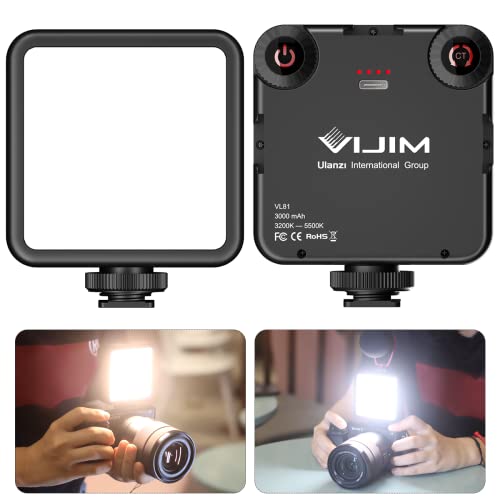
ULANZI VL-81 3000mAh Bi-Color LED Video Light w Softbox – 3200K-5600K+CRI95 Rechargeable Camera Light, 3 Cold Shoe Mount for DSLR/GoPro/Sony/Canon/iPhone, Vlog Filming TikTok Live & Photography
81 Beads Fill Light with Softbox: The VL-81 LED video light is a upgraded version of VL49 2000mah…
As an affiliate, we earn on qualifying purchases.
As an affiliate, we earn on qualifying purchases.
Conclusion
Remember, larger sensor sizes generally improve your image quality, especially in low light. Did you know that full-frame sensors are about four times larger than crop sensors? This extra size allows more light to hit the sensor, resulting in sharper, clearer photos. So, if you’re serious about your photography, investing in a camera with a bigger sensor can make a noticeable difference. Don’t overlook sensor size—it’s a key factor in capturing stunning images!

KOGJAERS Lens Filter 58mm Half Bokeh Effects Filters Foreground Blur Camera Filter Creative Photographer's Perfect Photography Set Camera Accessories
[Product advantage] This innovative Half moon filterr is suitable for camera creative photography, this is a good photographic…
As an affiliate, we earn on qualifying purchases.
As an affiliate, we earn on qualifying purchases.

8K Digital Camera for Photography, 2026 Latest WiFi 88MP Vlogging Camera for YouTube with Dual Lens, Touch Screen, Autofocus Anti-Shake, 16X Zoom, Compact Travel Camera, 32GB Card, 2 Batteries, Black
【Dual Cameras & 8K Ultra HD】——This 8K digital camera features a front and rear dual-camera system, delivering ultra-clear…
As an affiliate, we earn on qualifying purchases.
As an affiliate, we earn on qualifying purchases.