
Neutral density filters help you extend your camera’s exposure by reducing the amount of light entering the lens. This lets you create smooth motion effects, like flowing waterfalls or busy city streets, even in bright conditions. They also enable you to use wider apertures for better depth of field or achieve artistic long exposures during daylight. If you want to open more creative possibilities and understand how to best use these filters, there’s more to explore.

Get the latest gadgets delivered free with Prime
- Fast, free delivery on millions of items
- Prime Video, Amazon Music and more included
- Member-only deals all year
Key Takeaways
- ND filters reduce incoming light, enabling longer exposure times without overexposing bright scenes.
- They maintain color accuracy and image quality while extending exposure durations.
- Longer exposures with ND filters create motion blur for effects like silky waterfalls or smooth clouds.
- ND filters allow shooting in bright conditions with wide apertures for shallow depth of field.
- Using ND filters offers creative control for artistic effects and unique visual storytelling.
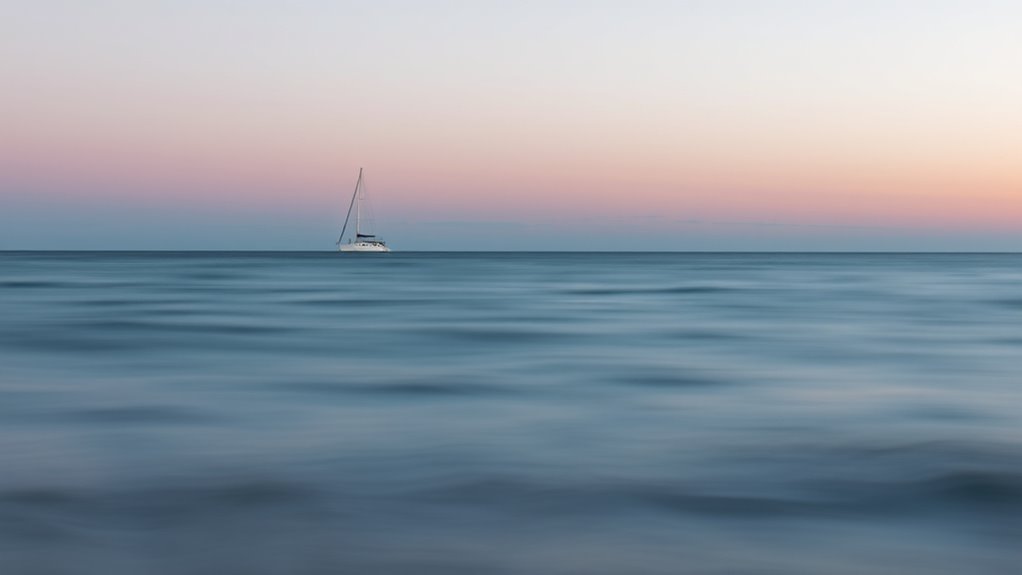
Neutral density filters are essential tools for photographers and videographers who want to control exposure without affecting color or image quality. When you’re working in bright conditions or aiming for specific visual effects, these filters help you achieve the perfect exposure by reducing the amount of light entering your camera lens. This light reduction allows you to extend your shutter speeds or open your aperture wider, even in bright environments. As a result, you gain more creative control over your images and videos, making neutral density filters indispensable for many shooting scenarios.
By decreasing the amount of light reaching your camera’s sensor, you can create smooth, motion-blurred scenes that convey a sense of tranquility or motion. For example, when capturing waterfalls or rivers, a neutral density filter lets you use slow shutter speeds to produce a silky, flowing effect. Similarly, in urban environments, you can soften busy crowds or moving vehicles to craft a more artistic and atmospheric shot. The ability to manipulate exposure times opens up creative possibilities that wouldn’t be feasible without a light reduction tool.
Create silky, flowing scenes by extending shutter speeds in bright conditions with neutral density filters.
Neutral density filters also help you achieve a shallow depth of field in bright conditions. If you’re shooting portraits or macro shots outdoors and want a background blur, these filters allow you to open your aperture wider without overexposing the image. This results in a more pleasing separation between subject and background, with the added benefit of maintaining image quality and color accuracy. Because they don’t alter color or introduce unwanted color casts, you can focus on your creative vision without worrying about color shifts or degraded image sharpness.
Another advantage of using neutral density filters is their versatility across various lighting situations. Whether you’re shooting during the day, on a sunny beach, or under harsh sunlight, these filters give you the flexibility to control exposure precisely. They also enable longer exposures during the daytime, which would otherwise be impossible without overexposing your shot. This opens up opportunities for innovative creative effects, like ghosting or light painting, that add an artistic dimension to your work.
Furthermore, understanding the contrast ratio of your camera system can help you better anticipate how your neutral density filter will influence the final image quality. In essence, neutral density filters are powerful tools that release new creative effects by providing precise light reduction. They give you the ability to extend exposure times, control depth of field, and develop unique visual styles, all while maintaining excellent image quality. When used skillfully, these filters become an extension of your artistic toolkit, allowing you to craft images and videos that stand out and tell compelling stories through controlled exposure and innovative effects.
Products Worth Considering

LG 34GX90SA-W 34-inch Ultragear WQHD OLED Curved Gaming Monitor

Sony WH-1000XM6 Wireless Noise-Canceling Over-Ear Headphones, Blue, Bundle

Apple iPad Air (4th Generation, 10.9-inch, Wi-Fi, 256GB) – Space Gray
As an affiliate, we earn on qualifying purchases.
Frequently Asked Questions
Can ND Filters Be Used With Smartphones?
Yes, you can use ND filters with smartphones. Many ND filters are compatible with smartphones through specific filter attachment methods like clip-on mounts, magnetic rings, or slip-on adapters. These options make it easy to attach the filter securely to your phone’s camera lens. Just make certain you choose a filter that fits your phone’s camera size and the attachment method suits your device for smooth, hassle-free use.
How Do I Choose the Right ND Filter Strength?
You should choose your ND filter strength based on your shooting conditions and desired effect. Don’t worry about the filter material—most are made from high-quality optical glass or resin, ensuring durability and clarity. Make sure to select a filter size that matches your lens. For bright scenes, a stronger filter (like ND1000) helps achieve smooth motion blur, while milder filters (ND8 or ND16) suit softer effects.
Do ND Filters Affect Image Color Quality?
Yes, ND filters can affect your image’s color quality. You might notice a subtle color shift, often with a slight tint depending on the filter’s quality. High-quality ND filters minimize this issue, but cheaper ones can cause some image distortion or color inaccuracies. To get the best results, choose reputable brands and consider doing a quick test shot to check for any unwanted color or distortion effects before your main shoot.
Are There Any Accessories Needed for ND Filters?
You don’t need many accessories for ND filters, but consider filter stacking carefully to avoid vignetting and reduce image quality loss. Using high-quality filter materials, like glass or optical resin, helps maintain sharpness and color fidelity. A filter holder or step-up rings can facilitate stacking or switching between filters easily. Guarantee your lens thread size matches your filters for smooth attachment, and keep your filters clean for peak results.
How Do I Clean and Maintain ND Filters Properly?
Imagine your ND filter as a window to a pristine world—you want it crystal clear. To clean it, use a soft microfiber cloth and gentle filter cleaning solution, avoiding harsh chemicals. Keep it free of dust and fingerprints with regular maintenance tips, like storing it in a protective case and avoiding touching the glass directly. Proper filter cleaning and careful handling guarantee your images stay sharp and streak-free.
Conclusion
With neutral density filters, you can effortlessly extend exposures and elevate your images. By balancing brightness and blurring backgrounds, they become your best buddy in creating enthralling, calm, and cinematic shots. Don’t delay—dive into the details, discover the difference, and develop your photography skills. With these filters in hand, you’ll harness harmony, highlight highlights, and master mesmerizing motions. Make your moments magical—maximize your mastery with neutral density filters today!