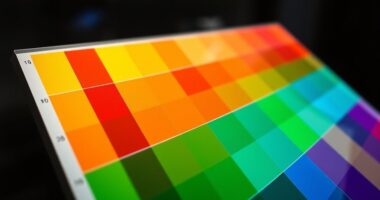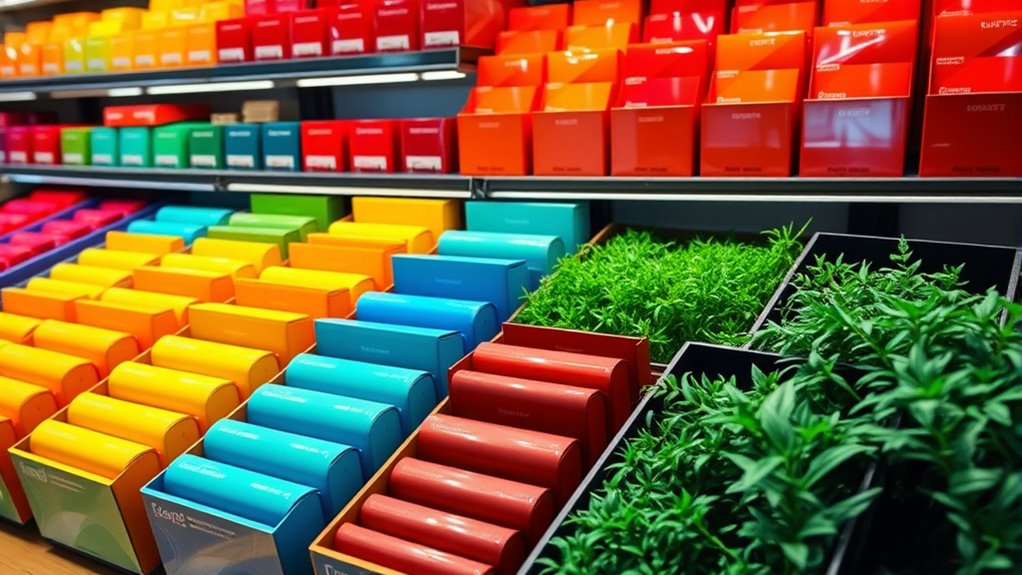

Color psychology shows that different hues can evoke specific emotions and influence your decision-making. For example, red sparks passion or urgency, while blue fosters trust and calm. Cultural backgrounds and personal experiences shape how you interpret colors, making them powerful tools in marketing. Brands use this knowledge to create appealing visuals that resonate with their audience. To understand how to harness these effects for your own strategy, keep exploring these fascinating insights.
Key Takeaways
- Colors evoke specific emotions and perceptions that influence consumer decision-making in marketing.
- Cultural differences shape color meanings, affecting how marketing messages are received globally.
- Personal associations with colors enhance emotional engagement and brand loyalty.
- Strategic color choices in branding can subconsciously guide consumer behaviors and perceptions.
- Understanding cultural nuances in color psychology helps optimize marketing strategies across diverse markets.

Color psychology explores how different colors influence your emotions and behaviors. When you see a particular hue, it can evoke feelings, shape perceptions, and even impact your decision-making. This is because colors carry specific meanings—known as color associations—that have been shaped by both individual experiences and broader cultural influences. For example, red often symbolizes passion or urgency, while blue can evoke calmness and trust. But these associations aren’t universal; they’re heavily influenced by the cultural context you’re part of. In Western societies, white is typically linked to purity and weddings, whereas in some Eastern cultures, it’s associated with mourning. Understanding these cultural influences helps you recognize why a color might have different effects depending on who you are and where you come from.
Your cultural background plays a significant role in how you interpret color associations. When you see a color, your brain taps into a web of learned meanings rooted in your society, upbringing, and personal experiences. For instance, in many Western nations, yellow is cheerful and optimistic, but in some Asian cultures, it can be associated with royalty or spirituality. This means that a marketing campaign using a certain color must consider these cultural nuances to resonate effectively. If a brand uses red in China, it may symbolize good luck and prosperity, making it a powerful choice. Conversely, in other places, it might be seen as aggressive or alarming. By understanding these cultural influences, marketers and designers can tailor their messages to avoid misinterpretations and foster positive emotional responses. Additionally, cultural color meanings can influence consumer behavior significantly, making it crucial for brands to adapt their color strategies across different markets.
Your emotional reactions to colors aren’t just shaped by cultural influences—they also depend on personal associations. You might feel energized by a bright orange because it reminds you of a favorite vacation spot, or you might associate purple with luxury due to past experiences. These personal connections intensify the impact of color in marketing, making it more effective when aligned with your values and memories. When you’re shopping, for example, the color of a product or its packaging can influence whether you’re drawn to it or pass it by. That’s why brands carefully choose their color palettes, aiming to evoke specific emotions and build a strong connection with their audience. They leverage both universal color associations and cultural nuances to craft visual identities that resonate deeply with target consumers. In doing so, they tap into the subconscious mind, guiding your perceptions and encouraging certain behaviors without you even realizing it.
Frequently Asked Questions
How Does Cultural Background Influence Color Perception?
Your cultural background shapes how you perceive colors because of cultural symbolism and color associations. For example, in some cultures, red symbolizes luck and prosperity, while in others, it may represent danger or warning. These cultural differences influence your emotional responses and how you interpret colors in marketing, branding, or daily life. Recognizing these variations helps you understand why certain colors evoke different feelings across diverse cultural contexts.
Can Color Psychology Impact Online Shopping Behavior?
Did you know that 85% of consumers say color influences their purchase decisions? Color psychology can profoundly impact your online shopping behavior by enhancing visual appeal and conveying color symbolism. When you see appealing colors, you’re more likely to trust a site and feel compelled to buy. Bright, warm hues can evoke excitement, while cool tones promote calmness, guiding your choices effortlessly and making your shopping experience more engaging.
Are There Any Risks Associated With Using Specific Colors in Marketing?
Yes, there are risks when using specific colors in marketing. You might face color fatigue, where audiences become desensitized or annoyed by overuse, and brand inconsistency, which confuses customers and weakens your brand identity. To avoid these issues, choose colors thoughtfully, verify they align with your brand message, and vary your palette strategically. This way, you maintain engagement and build a cohesive brand image.
How Do Individual Differences Affect Emotional Responses to Color?
Imagine your emotional response to red as a fiery passion, yet your friend sees it as anger. You’re influenced by personal color preferences and emotional color associations, which vary widely. These individual differences mean colors don’t evoke the same feelings in everyone, making marketing a tricky dance. By understanding your unique reactions, marketers can better tailor messages — because what sparks joy in you might just annoy someone else.
What Are the Latest Trends in Color Psychology for Branding?
You should focus on the latest trends in color psychology for branding by updating your color palette regularly to stay fresh and relevant. Incorporate bold, vibrant hues to grab attention, while softer shades convey trust and calmness. Use branding color strategies that align with your audience’s emotions and values, ensuring your colors evoke the right feelings and make your brand memorable. Keeping your palette current helps you connect more effectively with customers.
Conclusion
Understanding color psychology can transform your marketing efforts. Did you know that color can increase brand recognition by up to 80%? By choosing the right hues, you influence emotions and drive consumer actions. Remember, colors aren’t just visual; they evoke feelings that shape perceptions and decisions. So, next time you design an ad or logo, consider the emotional power of color—you might just turn viewers into loyal customers.