The physics of bokeh and lens design involve how light points outside your focus area are shaped by the aperture and lens elements. A wide-open aperture creates highlights with the aperture’s shape, often polygonal, but rounded blades produce smoother, circular bokeh. Lens aberrations like spherical and chromatic distortions can affect highlight quality. Good lens design minimizes these flaws, resulting in out-of-focus areas that enhance your photos. Exploring these principles reveals how optical choices influence your images’ mood and clarity.
Key Takeaways
- Bokeh quality depends on how lens aperture shape influences out-of-focus highlight shapes, with rounded blades producing smoother, circular bokeh.
- Lens aberrations like spherical and chromatic aberration affect the appearance of out-of-focus areas, impacting bokeh smoothness and color purity.
- The aperture’s polygonal shape creates geometric highlight patterns, while rounded blades yield more uniform, pleasing bokeh effects.
- Advanced lens design employs special elements and coatings to minimize aberrations, enhancing the aesthetic quality of out-of-focus regions.
- Optical engineering balances aperture shape and aberration correction to produce bokeh that complements subject focus and overall image mood.

Bokeh, the aesthetic quality of out-of-focus areas in a photograph, is deeply rooted in the physics of lens design. When you look at a beautifully blurred background, what you’re actually seeing is how the lens renders points of light that are outside the depth of field. The shape of the aperture plays a vital role here. Most lenses have an aperture made of multiple blades that form a polygon—often a hexagon or octagon—so when the lens is wide open, the out-of-focus highlights take on this shape. As you stop down, the aperture becomes more circular, resulting in smoother, more pleasing bokeh. Conversely, a lens with blades that produce a polygonal aperture shape can cause the highlights to appear as geometric shapes, which may detract from the desired aesthetic. That’s why many photographers prefer lenses with rounded aperture blades—these create a more uniform and soft bokeh by producing out-of-focus highlights that appear as smooth circles.
However, achieving ideal bokeh isn’t solely about aperture shape. Lens aberrations also influence how out-of-focus areas look. Aberrations are imperfections in the lens that distort the image, especially at the edges or in out-of-focus regions. Spherical aberration, for example, causes light rays passing through the edges of the lens to focus at slightly different points than those passing through the center. This can lead to highlights that are uneven or blurry, reducing the quality of the bokeh. Chromatic aberration, which results in color fringing, can also affect out-of-focus areas, giving highlights a colored halo or fringe that distracts from a smooth background. As a photographer, you might notice how certain lenses produce a more pleasing bokeh because they’re designed to minimize these aberrations. Manufacturers often use special lens elements or coatings to correct aberrations, resulting in cleaner, more aesthetically pleasing out-of-focus areas.
The interplay between aperture shape and lens aberrations ultimately determines how your out-of-focus highlights appear. A well-designed lens balances these factors, ensuring the highlights are smooth, rounded, and free of distracting distortions. When you choose a lens with good optical construction, you’re more likely to get bokeh that enhances your subject rather than drawing attention away from it. Understanding these physics helps you select lenses that produce the beautiful, dreamy backgrounds you desire, whether you’re capturing portraits, macro shots, or artistic landscapes. In addition, knowledge of resources and tools can help you make informed choices about lens selection and camera settings. In the end, the physics behind aperture shape and aberrations profoundly influences the visual quality of your photographs, shaping the way out-of-focus areas contribute to the overall mood and composition.

Canon RF50mm F1.8 STM Lens, Fixed Focal Length Prime Lens, Compatible with EOS R Series Mirrorless Cameras, Black
Compact, Lightweight Fixed 50 millimeter Focal Length Lens.
As an affiliate, we earn on qualifying purchases.
As an affiliate, we earn on qualifying purchases.
Frequently Asked Questions
How Does Sensor Size Influence Bokeh Quality?
Your sensor size greatly influences bokeh quality because larger sensors produce shallower depth of field, creating more pronounced and aesthetically pleasing bokeh. With a bigger sensor, you can achieve more background blur, making your subject stand out. Conversely, smaller sensors tend to have a deeper depth of field, resulting in less pronounced bokeh. So, if you want beautiful, creamy bokeh, opting for a camera with a larger sensor is your best bet.
What Role Does Aperture Shape Play in Bokeh Appearance?
Aperture shape is the artist’s brushstroke shaping your bokeh‘s look. When you have more aperture blades, the shape becomes rounder, creating softer, more pleasing bokeh. Conversely, fewer blades produce a polygonal shape, adding a hint of character. A starburst effect or bokeh swirl often results from a lens with a specific aperture shape, making your background highlights look like tiny, sparkling fireworks. Your choice of aperture shape directly influences your dreamy or dramatic images.
How Does Lens Coating Affect Bokeh Smoothness?
Lens coating markedly influences bokeh texture by reducing internal reflections and glare. When your lens has high-quality coating, it minimizes unwanted light artifacts that can create harsh or uneven bokeh. This results in a smoother, more pleasing bokeh appearance. You’ll notice that coated lenses produce softer, more creamy background blur, enhancing the overall aesthetic and making your subject stand out beautifully against a gentle, harmonious bokeh.
Can Lens Aberrations Enhance Bokeh Effects?
You might think lens aberrations are flaws, but they can actually enhance bokeh effects. Aberration benefits include creating artistic distortions that add a dreamy or surreal quality to your images. By intentionally using or controlling aberrations, you can produce more interesting, textured backgrounds. So, instead of always avoiding aberrations, consider them as tools for adding unique character and depth to your bokeh, making your photos more expressive.
How Do Digital Post-Processing Techniques Alter Bokeh Characteristics?
Digital post-processing techniques, like software manipulation, can markedly alter your bokeh characteristics. With digital enhancement, you can smooth out or exaggerate out-of-focus areas, adjusting the blur‘s shape, size, and softness. This allows you to creatively refine your images, emphasizing or softening the bokeh effect. However, overdoing it may lead to unnatural looks, so use these tools subtly to maintain a pleasing and realistic bokeh quality.

10 in 1 Bokeh Master Kit Bokeh Effect Lens Cover Filter for Artistic Romantic Night Photography (Caliber : 55mm)
There're many patterns included, such asstar, snowflake, maple leaf, heart, butterflyetc.
As an affiliate, we earn on qualifying purchases.
As an affiliate, we earn on qualifying purchases.
Conclusion
Understanding the physics behind bokeh and lens design helps you appreciate the artistry in photography. Did you know that prime lenses with wide apertures can produce smoother bokeh, making your subjects stand out beautifully? By mastering these principles, you can create mesmerizing images that draw viewers in and evoke emotion. So, next time you choose a lens, remember how physics shapes every dreamy background and sharp foreground, turning simple moments into stunning visual stories.
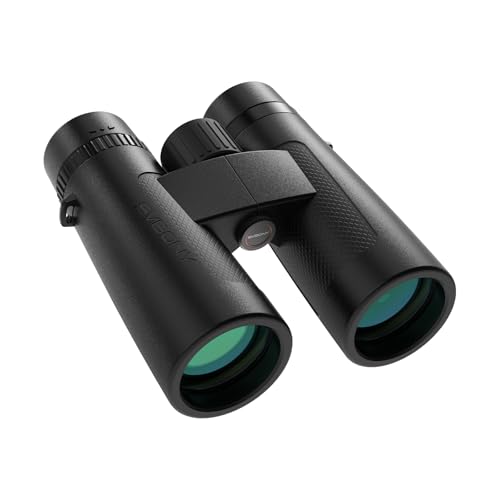
SVBONY Upgraded SV202 8×42 ED Binocular, Binoculars with Extra-Low Dispersion Objective Lenses for Birdwatching, BAK4 & FMC Optic System, Wide View Angle, IPX7 Waterproof for All-Weather Use
Professional-grade ED optics: Utilizes ultra-low dispersion (ED) glass to effectively reduce chromatic aberration, ensuring sharp, clear, and vibrant…
As an affiliate, we earn on qualifying purchases.
As an affiliate, we earn on qualifying purchases.

Crystal Ball Photography 80mm K9 Clear Lens Ball Sphere with Mini Tripod Base Stand Decorative Glass Props Ball with Padded Shockproof Sleeve Bag by BESNFOTO
Flawless High-quality Lens Ball: come with mini tripod and sunction mount base 1/4'' screw thread that make this…
As an affiliate, we earn on qualifying purchases.
As an affiliate, we earn on qualifying purchases.