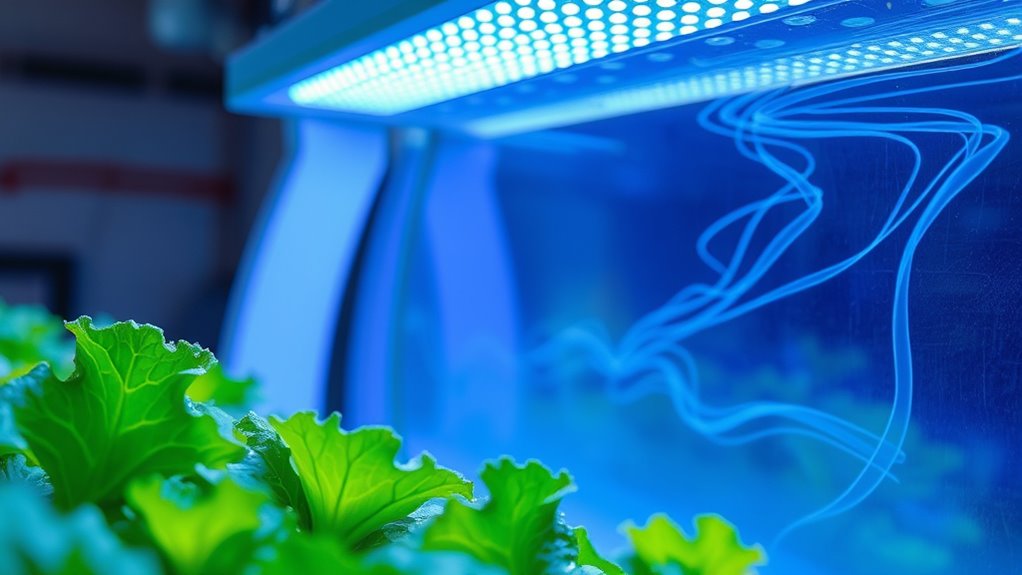

UV-C sterilization for hydroponic water is safe when you follow proper handling and maintenance procedures. It effectively kills bacteria, viruses, and algae without introducing chemicals, making it eco-friendly and safe for plants. However, you need to be cautious to avoid UV exposure that can harm your skin and eyes. Regularly check and replace bulbs, use pre-filtration, and follow safety guidelines to guarantee effective sterilization—there’s more to contemplate for ideal use.
Key Takeaways
- UV-C sterilization effectively disinfects hydroponic water without chemical residues, supporting plant health.
- Proper shielding and adherence to safety protocols prevent UV‑C exposure risks to users.
- Regular maintenance and pre-filtration are essential for safe and efficient sterilization.
- UV‑C does not remove chemical contaminants or dissolved nutrients, so additional filtration may be needed.
- When used correctly, UV‑C sterilization is a safe, eco-friendly method for maintaining clean hydroponic water.

Hydroponic systems rely on clean water to guarantee healthy plant growth, but maintaining water purity can be challenging due to the presence of bacteria, viruses, and algae. To address this, many growers turn to UV‑C sterilization, a method that uses ultraviolet light to disinfect water. While UV‑C is effective at reducing microbial contamination, you need to understand its safety and limitations to use it properly. UV‑C safety is vital because improper handling can pose health risks; direct exposure to UV‑C light can damage your skin and eyes. Always make sure that the sterilizer is properly shielded and operated according to the manufacturer’s instructions. When used correctly, UV‑C sterilizers do not leave chemical residues, making them a safe choice for maintaining water purity in hydroponic systems. They work by damaging the DNA and RNA of microorganisms, rendering bacteria, viruses, and algae unable to reproduce, which notably reduces their presence in the water. This process helps keep the water clear, minimizes clogging, and prevents the spread of disease among your plants. However, it’s important to note that UV‑C sterilization isn’t a catch-all solution; it doesn’t remove dissolved nutrients or chemical contaminants. As a result, maintaining water purity also involves regular testing and filtration to remove debris and guarantee ideal nutrient levels. Additionally, UV‑C effectiveness depends on water clarity and flow rate. If the water is murky or contains suspended particles, UV‑C light may not penetrate effectively, reducing its sterilization power. You should incorporate pre-filtration systems to enhance UV‑C performance and protect the sterilizer bulb. Another key safety consideration is bulb replacement; UV‑C bulbs degrade over time and should be replaced periodically to guarantee consistent sterilization. Failing to replace the bulb can lead to decreased water disinfection, risking microbial growth. Proper maintenance and adherence to safety protocols make UV‑C sterilization a safe method for improving water purity without introducing harmful chemicals. When used responsibly, UV‑C can be a reliable, eco-friendly way to keep your hydroponic water clean and disease-free. Remember, protecting yourself from UV‑C exposure is essential—avoid looking directly at the light or exposing your skin. By understanding the safety precautions and limitations of UV‑C sterilization, you can confidently incorporate this technology into your hydroponic setup, ensuring healthier plants and a more efficient growing environment. Additionally, understanding the automation in business can help optimize the maintenance processes involved with UV‑C systems.

13W UV Water Sterilizer with 9.84 ft Cable for up to 300 Gallon Aquariums, Ponds & Pools – Professional UV Clarifier for Green Water Control in Koi Ponds, Fish Tanks, Spas & Cold Plunge
PROFESSIONAL-GRADE UV STERILIZATION – Our advanced UV-C technology eliminates 99.99% of harmful buildup and green water that cloud…
As an affiliate, we earn on qualifying purchases.
As an affiliate, we earn on qualifying purchases.
Frequently Asked Questions
Can UV-C Sterilization Harm Beneficial Microorganisms in Hydroponic Systems?
You might wonder if UV-C sterilization harms beneficial microorganisms. It can disrupt the microbial balance if overused, killing both harmful and helpful microbes. To avoid this, you should regularly maintain your equipment and monitor microbial populations. Proper equipment maintenance guarantees effective sterilization without damaging beneficial microbes, helping you keep a healthy, balanced hydroponic system that promotes plant growth and minimizes disease risks.
How Often Should UV-C Sterilization Be Applied for Optimal Water Safety?
You should follow specific frequency guidelines for UV-C sterilization to guarantee water safety without disrupting beneficial microbes. Typically, sterilization timing depends on system conditions, but applying UV-C once or twice weekly often strikes a good balance. Monitor water quality regularly, and adjust sterilization frequency accordingly. Consistent, moderate use helps prevent microbial buildup while preserving essential microorganisms in your hydroponic system.
Is UV-C Sterilization Effective Against All Types of Waterborne Pathogens?
You might wonder if UV-C sterilization can eliminate all waterborne pathogens. While it’s highly effective against many, it has sterilization limitations due to pathogen diversity. Some microorganisms, like certain spores or biofilms, resist UV-C light. As a result, it doesn’t guarantee complete safety. To maximize water safety, combine UV-C with other treatment methods, ensuring broader pathogen coverage and reducing risks from resistant microbes.
What Are the Long-Term Effects of UV-C Exposure on Plant Health?
Think of UV-C exposure like a double-edged sword, gently nurturing your plants but potentially cutting them if misused. Long-term UV-C might cause plant stress, making leaves wilt or stunt growth. Repeated exposure can inhibit growth, like a shadow over your plants’ potential. To keep your hydroponic garden thriving, monitor UV-C levels carefully, and guarantee your plants get enough natural light and nutrients to balance the effects.
Are There Any Safety Precautions for Handling UV-C Sterilization Equipment?
When handling UV-C sterilization equipment, you should always wear protective gear like gloves and goggles to prevent skin and eye exposure. Regular equipment maintenance is essential to guarantee proper functioning and safety, preventing leaks or malfunctions. Follow manufacturer instructions carefully, and never look directly at the UV-C light during operation. Taking these precautions minimizes risks and keeps you safe while effectively sterilizing your hydroponic water system.

LiquaGen- 4 Stage Hydroponics Reverse Osmosis Water Filtration System- 100 GPD | Water Purifier for Indoor or Outdoor Garden Use | Hydroponics Growing System | Healthy Plants starts with Healthy Water
Designed to make sure your plants receive the purest water for healthy plant growth. By controlling your water…
As an affiliate, we earn on qualifying purchases.
As an affiliate, we earn on qualifying purchases.
Conclusion
Ultimately, UV-C sterilization is like a double-edged sword—powerful but needing careful handling. When used correctly, it’s a guardian, keeping your hydroponic water crystal clear and free from harmful microbes. But misused, it can become a silent threat, lurking in the shadows of your system. Think of it as a trusty sword—wield it wisely, and it’ll protect your garden’s growth; mishandle it, and it might turn against your crops. Stay informed, stay safe.

coospider-repta 2 pcs 9 WATT UVC PL-S9/TUV G23 Base Replacement UV Light Bulb for Outdoor Pond Clarifier Compatible with JUP-01 UVE9 CF400 CF500 UVCP-9 UV Light for Aquarium
【Enhanced Efficiency】 This 9-watt UV light bulb replacement ensures maximum performance, and provides a healthier and cleaner water…
As an affiliate, we earn on qualifying purchases.
As an affiliate, we earn on qualifying purchases.

VIVOSUN Digital pH and TDS Meter Kits, 0.01pH High Accuracy Pen Type pH Meter ± 2% Readout Accuracy 3-in-1 TDS EC Temperature Meter for Hydroponics, Pool and Aquarium, Yellow Blue, UL Certified
Application: Great for all home and laboratory TDS & pH testing applications including aquariums, swimming pools
As an affiliate, we earn on qualifying purchases.
As an affiliate, we earn on qualifying purchases.