Light pollution from artificial nighttime lighting disrupts your sleep by interfering with melatonin production, which signals your body it’s time to rest. This disturbance can lead to poor sleep quality, weaken your immune system, and increase risks for heart disease, obesity, and diabetes. Additionally, it messes with your circadian rhythm and hormones that regulate mood and metabolism. To protect your health, reducing light pollution and creating a dark sleeping environment is essential—more ways to improve your well-being await beyond this point.
Key Takeaways
- Light pollution suppresses melatonin production, disrupting sleep cycles and leading to long-term sleep problems.
- Disrupted sleep from light exposure increases risks of heart disease, obesity, and diabetes.
- Artificial nighttime light misaligns circadian rhythms, affecting hormonal balance and overall health.
- Chronic light pollution exposure may contribute to mental health issues like anxiety and depression.
- Using blackout curtains and reducing nighttime light sources can help protect sleep and health.
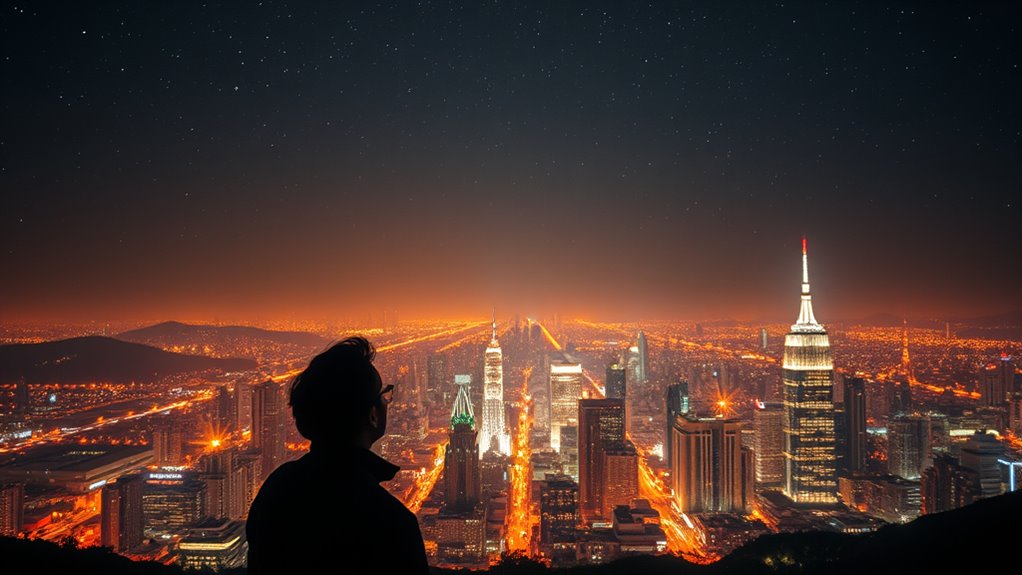
Have you ever wondered how the bright lights of city streets and homes might be affecting your health? Light pollution isn’t just an aesthetic issue; it has real consequences for your body, especially when it comes to sleep. When artificial light spills into your environment at night, it can disrupt your natural sleep cycle, making it harder to fall asleep, stay asleep, or wake up feeling refreshed. This is because exposure to artificial light during nighttime hours interferes with your body’s production of melatonin, a hormone critical for regulating sleep-wake cycles. Melatonin suppression occurs when your brain perceives light, signaling that it’s still daytime. As a result, your melatonin levels drop, and your body doesn’t get the signal that it’s time to rest. Over time, this disruption can lead to chronic sleep problems, impacting your overall health.
Light pollution disrupts melatonin production, harming sleep and overall health over time.
When your sleep is disrupted regularly, the effects extend beyond feeling tired. Sleep is essential for the repair and rejuvenation of your body and mind. Without enough quality rest, your immune system weakens, making you more susceptible to illnesses. You might also notice increased stress levels, difficulty concentrating, and mood swings. Moreover, persistent sleep disruption linked to light pollution has been associated with higher risks of serious conditions like heart disease, obesity, and diabetes. It’s not just about feeling sleepy; it’s about how your body functions when it doesn’t get the sleep it needs.
Artificial light at night doesn’t just affect your sleep directly; it also influences your circadian rhythm—the internal clock that governs many biological processes. When your circadian rhythm is out of sync with the natural day-night cycle, it can lead to long-term health issues. Melatonin suppression caused by light pollution not only hampers sleep quality but also impacts other hormonal processes that regulate mood, appetite, and metabolism. Over time, this misalignment can contribute to weight gain, insulin resistance, and mental health challenges like anxiety and depression. Understanding the biological effects of light pollution can help you take steps to minimize its impact.
You might think it’s impossible to escape the influence of city lights, but small changes can make a difference. Using blackout curtains, turning off unnecessary lights, and avoiding screens before bed can help protect your melatonin levels and improve your sleep quality. Recognizing how light pollution affects your health is the first step toward creating a sleeping environment that supports your well-being. Remember, your body relies on darkness to reset and restore itself each night—so don’t underestimate the power of a dark, quiet sleep space in safeguarding your health.
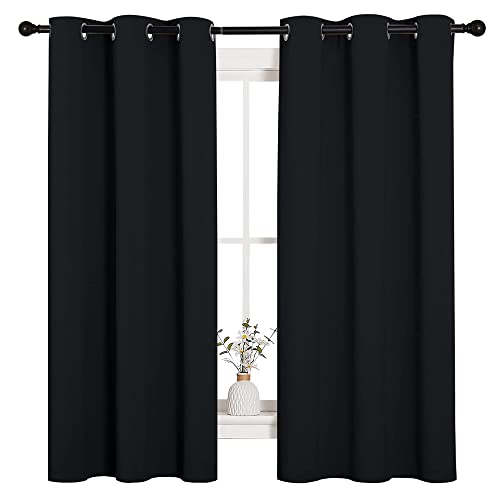
NICETOWN Halloween Pitch Black Solid Thermal Insulated Grommet Blackout Curtains/Drapes for Bedroom Window (2 Panels, 42 inches Wide by 63 inches Long, Black)
- Ready Made: Includes 2 blackout curtain panels
- Light Blocking: Blocks 85%-99% of light
- Noise Reduction: Reduces noise for better TV viewing
As an affiliate, we earn on qualifying purchases.
As an affiliate, we earn on qualifying purchases.
Frequently Asked Questions
How Does Light Pollution Affect Nocturnal Wildlife Behavior?
Artificial illumination substantially disrupts nocturnal wildlife behavior, including your nocturnal neighbors like bats and owls. You cause these animals to alter their natural nocturnal activity patterns, often leading to decreased foraging and increased vulnerability to predators. By managing artificial illumination and reducing unnecessary outdoor lighting, you can help restore their natural behaviors, ensuring these creatures continue their essential roles in maintaining ecological balance during the night.
Can Light Pollution Impact Plant Growth and Ecosystems?
Imagine you’re in the year 3024, where artificial lighting affects ecosystems just like in ancient times. Light pollution can disrupt plant growth and ecosystems by confusing their natural cycles, leading to poor health and reduced biodiversity. Artificial lighting may also encourage invasive species, which outcompete native plants and harm habitats. This ongoing issue impacts the entire food chain, showing how vital it is to manage light pollution for ecosystem stability.
What Are the Economic Costs Associated With Light Pollution?
You face significant economic impacts from light pollution, as it increases the financial burden on cities and industries. Addressing and reducing excess lighting costs money, from upgrading infrastructure to implementing smarter lighting systems. Additionally, the energy waste caused by unnecessary illumination results in higher utility bills. These expenses strain budgets, divert funds from other essential projects, and highlight the urgent need for cost-effective, sustainable lighting solutions to minimize the overall economic impact.
How Does Light Pollution Influence Human Sleep Disorders?
You might not realize it, but light pollution subtly influences your sleep by causing melatonin disruption and circadian misalignment. When exposed to excessive artificial light at night, your body struggles to produce enough melatonin, making it harder to fall asleep and stay asleep. Over time, this can lead to sleep disorders, affecting your overall health. Reducing nighttime light exposure helps restore your natural sleep rhythm and improves sleep quality.
Are There Effective Policies to Reduce Light Pollution Globally?
Yes, effective policies exist to reduce light pollution globally. You can support policy implementation by advocating for stricter outdoor lighting regulations and promoting awareness campaigns. International cooperation is essential; countries often collaborate through organizations like the International Dark-Sky Association to establish standards and share best practices. By engaging in these efforts, you help reduce light pollution, protect ecosystems, and improve human health worldwide.

MZOO Luxury Sleep Mask for Women Men Patented Light Blocking Design
- Zero Eye Pressure: Arc-shaped eye cups for comfort
- Great for Side Sleepers: Curved sides minimize temple pressure
- 100% Light Blocking: Contoured cups block all light leakage
As an affiliate, we earn on qualifying purchases.
As an affiliate, we earn on qualifying purchases.
Conclusion
Don’t ignore the dangerous dance of darkness and daylight. Light pollution’s lasting, lurking lures threaten your sleep, mood, and mental health. By banning bright blights and embracing balanced bulbs, you can break the cycle and boost your well-being. Protect your peace, preserve your sleep, and promote healthier horizons. Remember, your responsible actions can reduce the relentless reach of relentless radiance. Let’s light up lives, not nights, and take a stand against the sinister spread of light pollution.

OLLY Sleep Support Gummy Supplement,* 3 mg Melatonin, L-Theanine – 70 Count
- Top Gummy Supplement Brand: Supports falling and staying asleep
- Restful Sleep Support: Contains 3 mg melatonin and L-Theanine
- Convenient Chewable Gummies: Easy alternative to traditional sleep pills
As an affiliate, we earn on qualifying purchases.
As an affiliate, we earn on qualifying purchases.
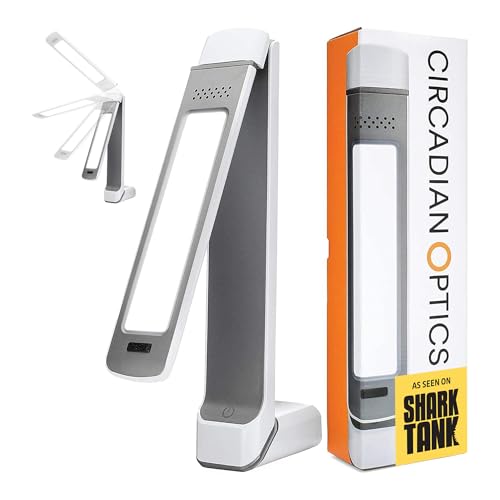
Circadian Optics Lumos 10,000 Lux Light Therapy Lamp | Seen On Shark Tank
- Shark Tank Featured: Impressive 10,000 LUX brightness
- Adjustable Light Panel: 270-degree rotation for optimal positioning
- Compact and Tall Design: Folds down for easy storage and travel
As an affiliate, we earn on qualifying purchases.
As an affiliate, we earn on qualifying purchases.