
Smart lights can help support your circadian rhythm by mimicking natural sunlight patterns, boosting alertness in the morning with cooler, blue-enriched light, and signaling your body to wind down in the evening with warmer hues. By adjusting brightness and color temperature throughout the day, you can maintain a consistent sleep-wake cycle and improve overall health. Keep exploring how these lighting strategies can optimize your daily routine and well-being.
Key Takeaways
- Smart lights simulate natural light patterns, supporting circadian rhythm regulation throughout the day.
- Gradual morning brightening with cooler hues promotes alertness and energizes waking routines.
- Evening light shifts to warmer, dimmer tones, signaling the body to wind down and prepare for sleep.
- Programmable lighting helps maintain consistent sleep-wake cycles, even with variable schedules.
- Reducing blue light exposure at night with smart lighting enhances melatonin production for better sleep quality.
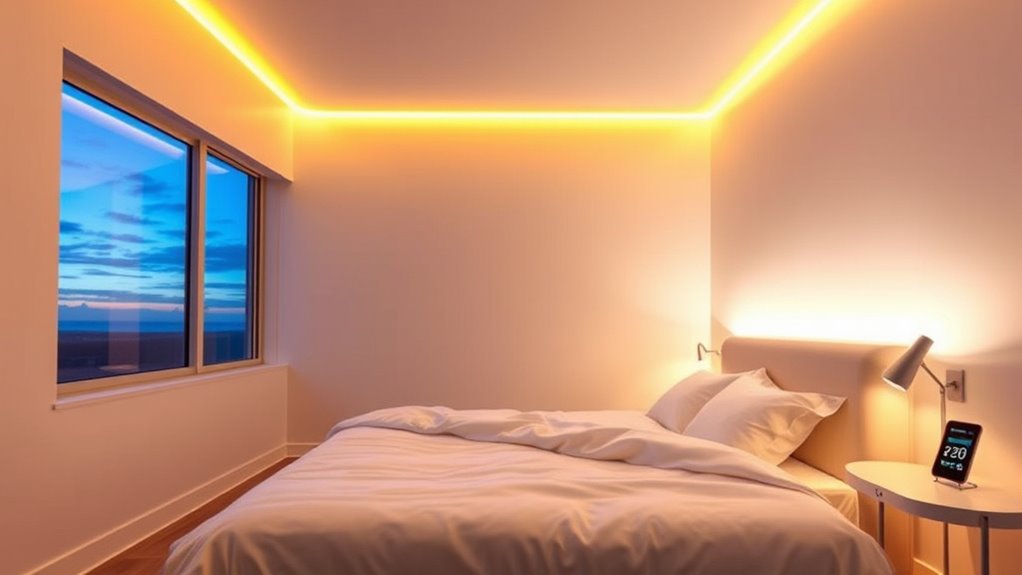
Your circadian rhythm governs your sleep-wake cycle, influencing your energy levels, mood, and overall health. Disruptions to this internal clock can lead to fatigue, poor concentration, and even long-term health issues. Luckily, smart lighting technology can help you stay in sync with your natural rhythms. By adjusting light temperature throughout the day, these lights mimic the changing sunlight patterns, supporting your sleep cycle and promoting better rest.
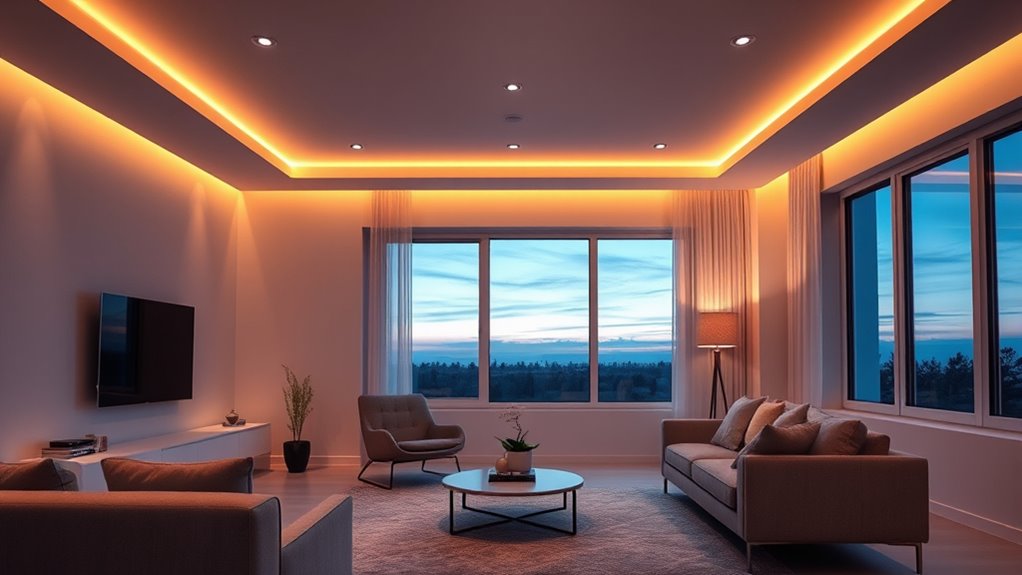
In the morning, smart lights can brighten gradually, with a cooler light temperature that resembles early sunlight. This boost of blue-enriched light signals your brain to wake up, increasing alertness and helping you start the day energized. As the day progresses, the lights shift to warmer hues with lower color temperatures, mimicking the sunset. This change encourages your body to wind down, preparing you for restful sleep. With this dynamic lighting, you’re fundamentally training your brain to recognize when it’s time to be active and when it’s time to relax, aligning your internal clock with your daily schedule.
One of the key benefits of using smart lights to support your sleep cycle is their ability to simulate natural light patterns, which are crucial for regulating your circadian rhythm. Natural light exposure during the day helps suppress melatonin, the hormone responsible for sleepiness, keeping you alert. As evening approaches, reducing light intensity and warming the light temperature signals to your body that it’s time to wind down, allowing melatonin to rise and facilitating a smoother transition into sleep. When you control your lighting environment with smart devices, you create an ideal setting that promotes consistent sleep patterns, even if your daily routine varies. Additionally, understanding light spectrum and its effects can help optimize your lighting setup for better health.
Furthermore, smart lights can be programmed to adapt to your specific schedule, ensuring consistent support for your sleep cycle. If you tend to wake up earlier or later, you can set the lights to adjust accordingly, maintaining the natural rhythm your body expects. This personalized approach prevents the disruptions that can occur with irregular lighting or exposure to blue light from screens late at night, which can delay melatonin production. By maintaining ideal light temperature and timing, you help reinforce your circadian rhythm, making it easier to fall asleep and wake up feeling refreshed.
In reality, smart lighting isn’t just about illumination; it’s a tool to support your biological clock. By thoughtfully adjusting light temperature and intensity throughout the day, you can strengthen your sleep cycle, boost your overall well-being, and feel more energized in your daily life.

hooga Circadian Rhythm Full Spectrum LED Light Bulb – 2700K, 2100K, 1400K, Flicker-Free, Blue Light Free Night Mode, 7W Energy Efficient Warm White for Sleep, Relaxation & Focus – 4 Pack
Circadian Rhythm Optimization – Features 2700K, 2100K, and 1400K settings to sync with your body’s natural cycles, supporting…
As an affiliate, we earn on qualifying purchases.
As an affiliate, we earn on qualifying purchases.
Frequently Asked Questions
Can Smart Lights Replace Natural Sunlight Completely?
Smart lights can’t fully replace natural sunlight because artificial vs. natural light differs in spectrum and intensity. Natural sunlight provides a full light spectrum that supports your circadian rhythm better, especially in the morning. While smart lights can mimic some aspects and help regulate your sleep patterns, they lack the richness of natural light. To truly support your health, try to get outside and enjoy natural sunlight whenever possible.
Are Smart Lights Safe for Children and Pets?
While smart lights are generally safe, you should always prioritize child safety and pet safety. Keep lights out of reach of young children and make certain they don’t access controls unsupervised. Use child-proof settings if available, and choose lights with non-toxic materials. Pets should also be kept away from cords or switches to prevent accidents. With responsible use, smart lights can create a safe environment for your family and furry friends.
How Do Smart Lights Impact Sleep Quality Long-Term?
Smart lights can improve your sleep quality long-term by supporting your circadian rhythm through light therapy, which helps regulate melatonin production. However, if you use them improperly or too late, they may cause sleep disruption. To maximize benefits, set your smart lights to mimic natural light patterns, especially in the evening, and avoid bright, blue light before bed. Proper use guarantees better sleep and overall well-being.
Can I Customize Circadian Settings for Individual Family Members?
You can definitely customize circadian settings for each family member using personalized lighting. This coincidence highlights how technology adapts to individual needs, fostering better sleep and well-being. By creating family-specific settings, you guarantee everyone experiences ideal lighting that aligns with their unique routines. This tailored approach helps support natural rhythms, making your home more comfortable and health-conscious. Your smart lights become an essential tool for personalized wellness.
Do Smart Lights Require a Constant Internet Connection?
Smart lights typically require a Wi-Fi connection for setup and remote control, but once configured, they often work locally without constant internet access. However, your Wi-Fi dependency means power fluctuations or network outages can disrupt functionality. To guarantee reliable performance, consider using a backup power source or choosing smart lights with local control options, so you can maintain your circadian rhythm support even during connectivity issues.
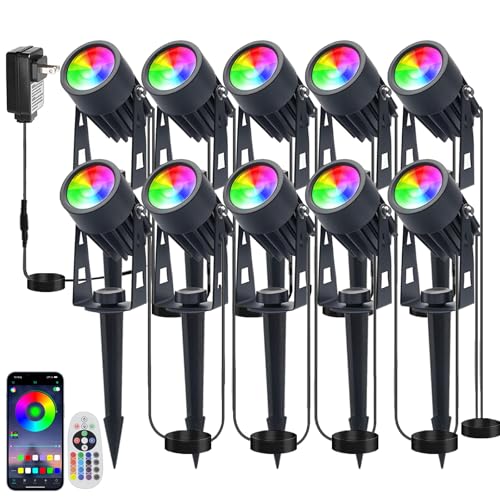
Sathem Smart RGB Low Voltage LED Spotlights, APP & Remote Control,Synchronous Dimming Lighting System, IP65 Waterproof,16 Million Colors for Outdoor Landscape,Yard,Garden,Holiday Decoration (10 Pack)
【APP & Remote Control Intelligent Control】: Easily adjust 16 million colors, brightness, dynamic mode through smart phone (Works…
As an affiliate, we earn on qualifying purchases.
As an affiliate, we earn on qualifying purchases.
Conclusion
Just like the wise owl follows the rhythm of night and day, you can harness smart lights to align your circadian cycle. By adjusting your environment, you support your body’s natural clock, leading to better sleep and wakefulness. Remember, as the Sun rises and sets, so too can your smart lights help you stay in harmony with nature’s timeless dance. Embrace this technology, and let your days be as vibrant as the dawn.

ILC RGB LED Color Changing Light Bulb, 40W Equivalent, 450LM, 2700K Warm White 5W E26 Screw Base RGBW, Flood Light Bulb- 12 Color Choices – Timing Infrared Remote Control (4 Pack)
This is a remote-controlled and colour-changing LED RGB light bulb. It fits multi-purpose in life. It has a…
As an affiliate, we earn on qualifying purchases.
As an affiliate, we earn on qualifying purchases.
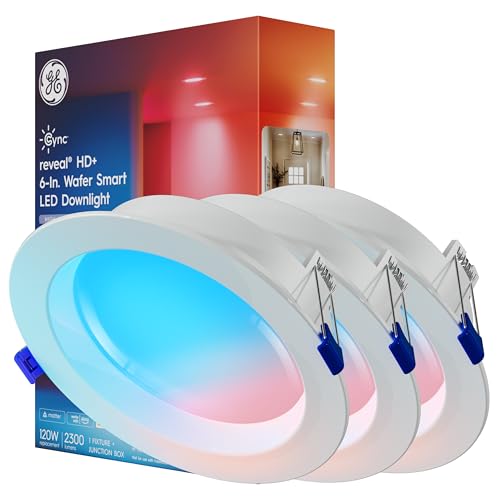
GE Cync Reveal HD+ Smart LED Wafer Downlight, Color Changing LED Light, Works with Alexa and Google Home, Matter Compatible, No Recessed Lighting Housing Required, Ceiling Lights, 6 Inch (3 Pack)
LED Smart Downlight for Indoor Lighting: Transform your kitchen, bedroom, bathroom or any other space with these Wifi…
As an affiliate, we earn on qualifying purchases.
As an affiliate, we earn on qualifying purchases.