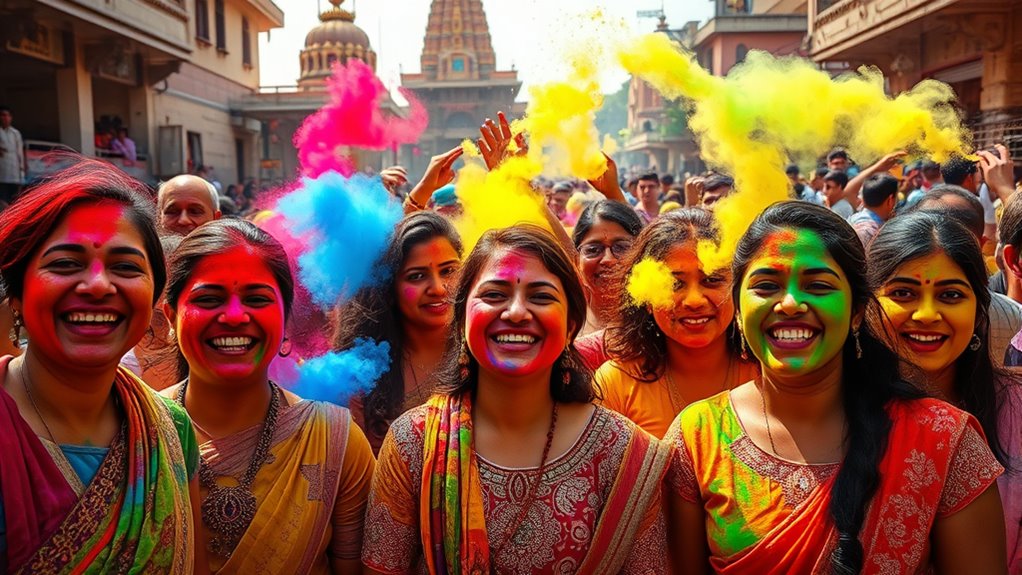

Color festivals like Holi spread joy, unity, and renewal through vibrant displays of color, breaking down social barriers. Around the world, many cultures embrace similar events, such as the Panagbenga Festival in the Philippines with floral bursts or West Africa’s Yam Festival with colorful parades. These celebrations share a common theme of using bright colors to express happiness and community spirit. If you’re curious, there’s much more to discover about how different cultures celebrate with color.
Key Takeaways
- Holi originated from Hindu mythology, celebrating divine love and victory of good over evil, and has evolved into a cultural festival worldwide.
- Many countries host color festivals, such as the Philippines’ Panagbenga and West Africa’s Yam Festival, inspired by Holi’s themes of unity and renewal.
- Colors in these festivals symbolize hope, community spirit, and cultural identity, transcending religious and cultural boundaries.
- Holi’s rituals include throwing colored powders, water celebrations, music, dance, and communal sharing, fostering social bonding.
- Globally, vibrant color festivals serve as tools for cultural expression, unity, and celebrating joy across diverse populations.
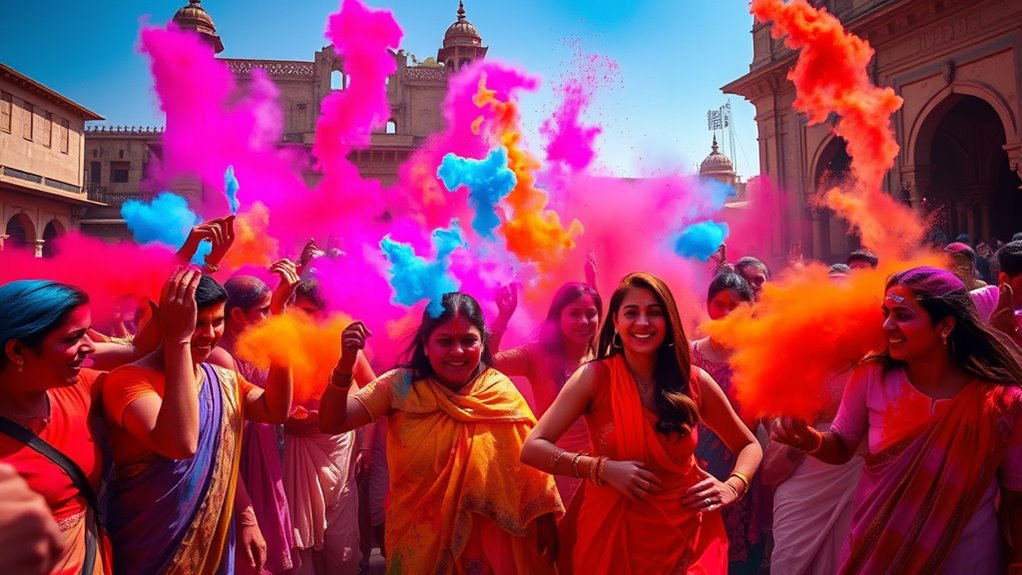
Color festivals around the world celebrate joy, unity, and cultural heritage through vibrant displays of hue and spirit. Among these, Holi, the festival of colors from India, stands out as one of the most famous. To truly appreciate it, you should understand its history origins and cultural significance. Holi’s roots trace back thousands of years, with its origins rooted in Hindu mythology and ancient traditions. It is believed to commemorate the divine love of Lord Krishna and Radha, symbolizing the victory of good over evil. Historically, Holi marked the arrival of spring, a time to celebrate harvests, with communities coming together to cast colors, share food, and dance. Over time, it evolved into a broader cultural event that transcends religious boundaries, symbolizing unity, forgiveness, and renewal.
The cultural significance of Holi extends beyond its mythological background. It is a moment for people to shed social inhibitions, mend broken relationships, and welcome new beginnings. The act of throwing colored powders, called gulal, and drenching each other in vibrant water signifies the breaking down of social barriers and embracing equality. This tradition reinforces the idea that everyone, regardless of caste, gender, or age, can partake in the celebration. It’s a vivid reminder of the power of community and shared joy. The festival also holds spiritual importance, encouraging believers to reflect on themes of love, devotion, and forgiveness. For many, participating in Holi is a way to connect with their cultural roots and pass traditions onto younger generations. Additionally, awareness about the history and origins of Holi enhances the appreciation of its cultural depth and significance.
While Holi is deeply rooted in Indian history and mythology, many other cultures have adopted their own color festivals with similar themes. For instance, in the Philippines, the Panagbenga Festival features floral displays and street dancing, often with bursts of color that symbolize hope and renewal. In West Africa, the Yam Festival celebrates the harvest with colorful parades and rituals. In each case, the core idea remains the same: using vibrant colors to express happiness, unity, and cultural identity. These festivals serve as powerful reminders that, regardless of where you are, colors have the ability to bring people together in celebration and shared tradition. So, whether you’re throwing powders in India or dancing in the streets in other parts of the world, these festivals let you experience the universal language of color and community.

Spectro 1 Pro Spectrophotometer Paint Color Matching Tool with Charging Cable & Carrying Pouch, Portable Color Reader, Colorimeter Spectrometer Color Sensor, Paint Scanner & Color Meter for Designers
PRECISION PAINT COLOR MATCHING: The Spectro 1 Pro spectrophotometer (espectrofotometro) is a professional-grade color reader for paint matching,...
As an affiliate, we earn on qualifying purchases.
Frequently Asked Questions
How Did Holi Originate Historically and Mythologically?
You might find that Holi’s mythological origins trace back to stories of Lord Krishna and Radha, symbolizing divine love and the victory of good over evil. Historically, it evolved from ancient rituals celebrating the arrival of spring and agricultural bounty. Over time, these traditions blended into a vibrant festival of colors, spreading across India and beyond. Today, Holi’s historical evolution highlights its transformation from mythological tales to a joyful, cultural celebration.
Are There Any Health Risks Associated With Color Powders?
You should be aware that color powders can pose health risks, especially if you have allergies or sensitive skin. Some powders contain synthetic dyes, which may trigger color powder allergies or cause skin irritation risks. To stay safe, wear protective gear like goggles and gloves, and choose natural, organic powders when possible. Always check ingredient labels and avoid inhaling the powder to minimize potential health issues.
How Do Different Cultures Interpret the Significance of Color Festivals?
Imagine you’re stepping into a vibrant painting—each color telling a story. Different cultures interpret color festivals through their unique lens of cultural symbolism and traditional attire. For example, in India, Holi celebrates spring’s arrival and victory of good over evil, while in Mexico, Día de los Muertos uses bright colors to honor ancestors. You see how colors embody deep cultural meanings, connecting people through shared traditions and vibrant expressions.
What Safety Precautions Are Recommended During Large Color Festival Celebrations?
During large color festival celebrations, you should wear protective gear like goggles and masks to avert eye and respiratory irritation. Stay hydrated by drinking plenty of water throughout the event, especially if it’s hot or active. Avoid inhaling powder directly and keep a safe distance from others throwing colors. These precautions help guarantee you enjoy the festivities while minimizing health risks.
How Are Modern Technology and Social Media Influencing These Festivals?
Imagine sharing vibrant festival moments instantly through social media, shaping how you experience color festivals today. Modern technology and social media boost digital sharing and virtual participation, making these celebrations accessible globally. For example, live streams let those far away join in the festivities, fostering a sense of community. This digital connection enhances traditions, allowing more people to partake, celebrate, and preserve the colorful spirit worldwide.

Govee Smart LED Light Bars, Work with Alexa and Google Assistant, RGBICWW WiFi TV Backlights with Scene and Music Modes for Gaming, Pictures, PC, Room Decoration
Exciting Lighting Experience: Adopts innovative RGBICWW technology to display rainbow-like light effects created from 16 millions colors. Boost...
As an affiliate, we earn on qualifying purchases.
Conclusion
As you imagine vibrant powders filling the air, you see cultures celebrating with joy and unity. From India’s Holi to Mexico’s Feria de las Flores, each festival paints a unique picture of tradition and togetherness. Despite different colors and customs, they all share a common thread: the power to bring people closer through bursts of color and celebration. These festivals remind you that, no matter where you are, color has the magic to connect us all.
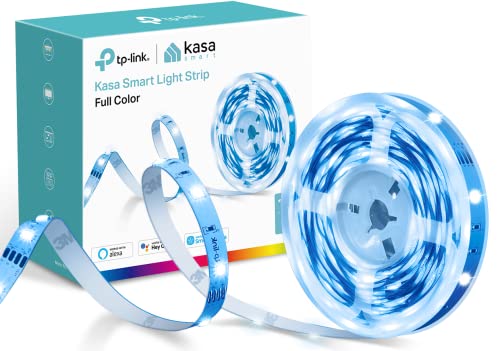
Kasa Smart LED Light Strip, 16.4ft WiFi LED Strip Works with Alexa, Google Home, SmartThings, High Brightness with 16 Million Colors, RGB, Grouping, Adjustable Length, Up to 25,000 Hours (KL400L5)
[High brightness & saturation] The 16.4ft LED light strip features customization up to 16 million colors with high...
As an affiliate, we earn on qualifying purchases.

Nix Spectro L Spectrophotometer and Densitometer- Professional Color Matching Technology, Compatibility with 200,000+ Paints, Spectral Data and Delta-E Functionality for Accurate Results
FOR COLOR QUALITY CONTROL: Tailored for professionals in print, packaging, and graphic arts to ensure consistent color output....
As an affiliate, we earn on qualifying purchases.