
Color psychology in marketing emails is a mix of fact and subtle influence. Different colors can evoke specific emotions and perceptions, helping your message stand out and build brand recognition. For example, red creates urgency, while blue fosters trust. Keep in mind, cultural and personal differences also shape responses. By understanding these effects, you can craft emails that genuinely connect with your audience. Want to discover how to use color strategically? Continue exploring to reveal powerful insights.
Key Takeaways
- Colors subconsciously influence emotions and perceptions, impacting recipients’ responses in marketing emails.
- Proper color choices can enhance brand recognition and reinforce brand personality in email campaigns.
- Cultural and personal differences affect how colors are perceived, requiring audience-specific color strategies.
- Consistent use of signature colors strengthens brand identity and builds trust over time.
- Combining color psychology with overall email design and testing strategies optimizes engagement and effectiveness.
Color psychology plays a pivotal role in shaping how your marketing emails are perceived and how recipients respond to them. When you choose specific colors for your email campaigns, you’re not just picking shades; you’re influencing how your message resonates emotionally and how your audience recognizes your brand. Colors can instantly communicate your brand’s personality, whether you want to appear trustworthy, energetic, or luxurious. By carefully selecting colors, you can boost brand recognition, making your emails stand out in a crowded inbox and ensuring that your audience remembers your brand long after they’ve read your message.
Color choices influence perceptions, evoke emotions, and enhance brand recognition in your email marketing campaigns.
The emotional response triggered by colors is powerful and often subconscious. For example, red can evoke excitement or urgency, encouraging recipients to take immediate action, while blue tends to foster trust and calmness, making it ideal for financial or healthcare-related messages. When your email design aligns with the emotional tone you want to set, you’re more likely to connect with your audience on a deeper level. This connection increases the chances that they’ll engage with your content, whether that’s clicking a link, making a purchase, or simply remembering your brand. The right color palette can evoke feelings that motivate recipients to act, making your campaign more effective.
However, it’s essential to understand that cultural differences and personal experiences can influence how colors are perceived. While red may symbolize passion and energy in Western cultures, it can signify luck and prosperity in others. As you craft your marketing emails, consider your target audience’s background and preferences. Consistent use of your brand’s signature colors helps reinforce brand recognition, making your emails instantly identifiable. When recipients see familiar colors, they associate them with your brand’s values and offerings, fostering trust and loyalty.
Some marketers believe that color alone can determine the success of an email, but it’s just one part of a broader strategy. The message, design layout, and call-to-action all work together with color choices to create a cohesive experience. Knowing that colors can influence emotional responses and reinforce brand recognition, you should test different palettes to see what resonates most with your audience. Over time, analyzing engagement metrics will help you refine your color strategy, ensuring your emails evoke the intended emotional responses and strengthen your brand’s presence.
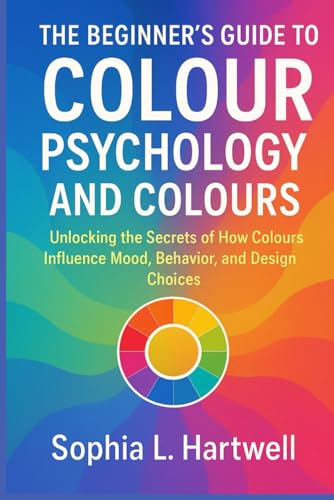
The Beginners Guide to Colour Psychology and Colours: Unlocking the Secrets of How Colors Influence Mood, Behavior, and Design Choices
As an affiliate, we earn on qualifying purchases.
As an affiliate, we earn on qualifying purchases.
Frequently Asked Questions
Does Color Influence Email Open Rates More Than Content?
You might think color has a bigger impact on email open rates than content, but both matter. Color theory and visual hierarchy influence how recipients perceive your message quickly, catching their attention first. Bright, contrasting colors can boost open rates, but compelling content keeps them engaged. Ultimately, a well-balanced approach using color strategically alongside strong content creates the best chance for higher open rates.
Are There Cultural Differences in Color Perception for Marketing Emails?
Think of marketing emails as international gardens, where different flowers symbolize cultural color associations. You’ll find regional color preferences blooming uniquely across cultures, influencing how your message is received. Recognizing these differences is essential; a color that resonates in one culture might not have the same impact in another. By understanding cultural variations, you can craft emails that truly connect, respecting regional nuances and boosting engagement.
How Quickly Do Recipients Interpret Color Cues in Emails?
You’ll notice that recipients interpret color cues in emails very quickly, often within seconds. Your audience’s color perception speed influences their email response time, as vibrant or contrasting colors grab attention faster. To optimize engagement, choose colors that align with your message and brand, understanding that people process visual cues swiftly. This rapid interpretation helps you craft emails that evoke emotions and prompt action almost immediately.
Can Color Choices Impact Emotional Responses in Marketing Emails?
Did you know that your color choices can influence emotional responses in marketing emails? You might not realize it, but color associations act as emotional triggers that shape how recipients feel and act. When you select colors deliberately, you tap into subconscious cues that can boost engagement or drive conversions. So yes, color choices do impact emotional responses, making your email design more powerful than you might have thought.
Is There Scientific Evidence Supporting Color Psychology in Email Marketing?
You wonder if scientific evidence supports color perception and emotional associations in email marketing. Research shows that colors can influence feelings and behaviors, affecting how recipients respond to your emails. While individual reactions vary, studies confirm that certain colors evoke specific emotions, making them powerful tools for communication. So, yes, there’s solid scientific backing for using color psychology to enhance your email marketing strategy.

Email Marketing Blueprint – The Ultimate Guide to Building an Email List Asset
As an affiliate, we earn on qualifying purchases.
As an affiliate, we earn on qualifying purchases.
Conclusion
So, is color psychology in marketing emails fact or fiction? The truth is, it’s a powerful tool—studies show that 85% of consumers prioritize color as a primary reason for purchasing. When you use colors intentionally, you can boost engagement and conversions. Don’t overlook this simple yet effective strategy; it could make all the difference in your email campaigns. Start experimenting with colors today and see how they influence your audience’s actions!

New Mijello Bulletproof Palette for Watercolor 36 Colors
Made of the same shock-proof material used in bulletproof
As an affiliate, we earn on qualifying purchases.
As an affiliate, we earn on qualifying purchases.

Email Marketing Rules: 184 Best Practices to Optimize the Subscriber Experience and Drive Business Success
As an affiliate, we earn on qualifying purchases.
As an affiliate, we earn on qualifying purchases.