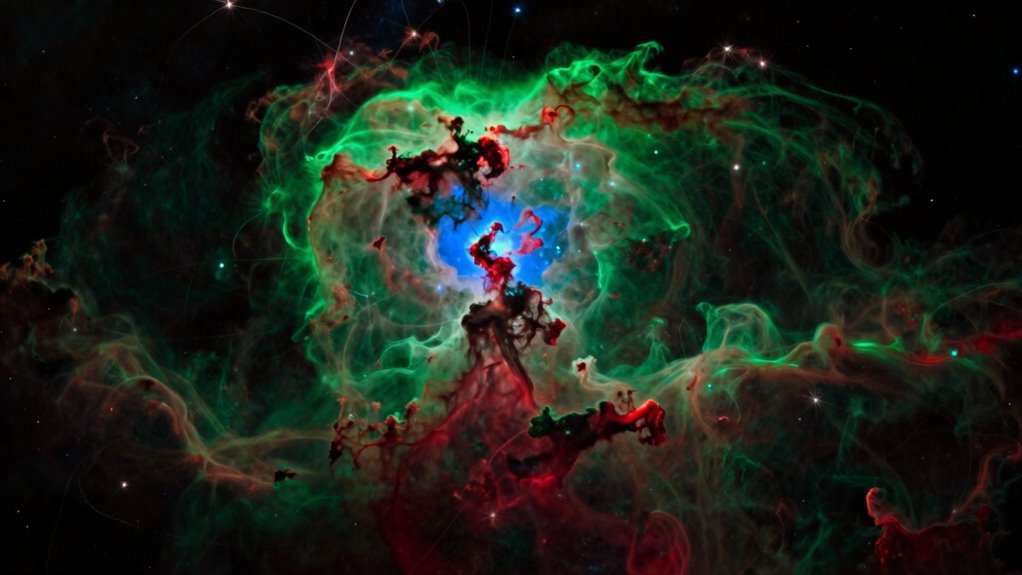
For anyone aiming to capture or observe nebulae, a high-quality narrowband filter can dramatically improve results by isolating specific wavelengths like H-alpha, O-III, and SII. The best overall pick in 2026 is the Celestron Oxygen III Narrowband Filter, renowned for its sharp image quality and compatibility. The SVBONY SV220 Dual-Band Filter offers excellent value for deep-sky astrophotography, while the Askar Colour Magic Ultra E1 Duo-Band Filter provides versatile imaging capabilities at a competitive price. The main tradeoffs in this category revolve around balancing cost, bandwidth precision, and compatibility with different telescope sizes. Continue reading to see how these options compare and which one fits your observing or imaging goals.

Get the latest gadgets delivered free — and shop member deals
- Fast, free delivery on millions of items
- Access to Prime Big Deal Days deals on October 6–7
- Prime Video, Amazon Music and more included
Complete the kit



Key Takeaways
- Narrowband filters with 7nm bandwidths generally provide sharper contrast for nebulae than broader options.
- Dual-band filters like SII and OIII combined in one unit can simplify imaging setups but may have slight compromises in bandwidth precision.
- Compatibility with 1.25-inch and 2-inch telescopes is a key consideration; some filters perform better with specific sizes.
- Budget filters often trade off some contrast or bandwidth specificity but still significantly enhance nebula imaging.
- Premium filters tend to offer superior coatings and durability, making them more suitable for frequent or professional use.
| Astromania 1.25-inch O-III Filter for Telescope – Narrowband Nebula Filter |  | Best for Budget Visual Observers | Brand: Astromania | Model Number: SKU_AM_OF1 | Item Weight: 8.53 g | VIEW ON AMAZON | See Our Full Breakdown |
| Astromania 2-Inch O-III Filter for Telescope Nebula Observation |  | Best for Large Aperture Visual Observers | Brand: Astromania | Model Number: SKU_AM_OF2 | Item Weight: 14.2 g | VIEW ON AMAZON | See Our Full Breakdown |
| Celestron Oxygen III Narrowband Specialized Filter for Telescopes – 2″ |  | Best for Durable Suburban Observation | Brand: Celestron | Size: 2 inches | Wavelength: 496 and 501 nm | VIEW ON AMAZON | See Our Full Breakdown |
| Celestron Nebula Narrowband Astroimaging Filter – Compatible with Celestron Origin |  | Best for Astrophotographers Using Celestron Origin | Wavelengths Transmitted: Hydrogen-Alpha, Hydrogen-Beta, Oxygen III | Compatibility: Celestron Origin 6-inch RASA | Material: Machined aluminum with anti-reflection coatings | VIEW ON AMAZON | See Our Full Breakdown |
| SVBONY SV227 2″ Narrowband Filter Set (SII, H-Alpha, OIII) for Astrophotography |  | Best for Multi-Line Deep Sky Imaging | Included Filters: SVBONY 2″ H-Alpha 5nm, OIII 5nm, SII 5nm | Material: Plastic | Warranty: 1 year | VIEW ON AMAZON | See Our Full Breakdown |
| SVBONY SV240 Telescope Filter, 1.25 inch Multi-Narrowband Filter |  | Best for Light Pollution in Visual Observation | Brand: SVBONY | Model Number: W9191B | Item Highlight: Increase Contrast, Ha OIII H-Beta | VIEW ON AMAZON | See Our Full Breakdown |
| 1.25 Inch UHC Filter for Telescopes |  | Best for Versatile Light Pollution Reduction | Thread Size: M28.5×0.6 | Optical Coating: Multi-coated | Material: Aircraft-grade aluminum | VIEW ON AMAZON | See Our Full Breakdown |
| Askar Colour Magic Ultra E1 Duo-Band Filter (Ha+OIII), 2 Inch Narrowband Nebula Filter |  | Best for High-Precision Deep-Sky Imaging | Brand: Askar | Model Number: E1 | Item Details: 1 item | VIEW ON AMAZON | See Our Full Breakdown |
| SVBONY SV240 Telescope Filter, 2″ Multi-Narrowband Galaxy Nebula Filter |  | Best for Urban Deep-Sky Photography | Cut-off depth: ≥OD4 | Transmittance: >90% | Wavelength coverage: Ha, OIII, H-Beta | VIEW ON AMAZON | See Our Full Breakdown |
| Celestron Oxygen III Narrowband Telescope Filter – 1.25″ |  | Best for Contrast Enhancement in Specific Emission Lines | Diameter: 1.25 inches | Wavelength: 496 and 501 nm | Material: High-quality glass | VIEW ON AMAZON | See Our Full Breakdown |
| SVBONY SV115 O-III Filter 1.25″ Telescope Filter Narrowband |  | Best Overall for Versatile Nebula Observation | Diameter: 1.25 inches | Peak Transmittance: 90% | Wavelength Range: 495.9nm to 500.7nm | VIEW ON AMAZON | See Our Full Breakdown |
| Alstar O-III Filter 1.25″ Narrowband Nebula Telescope Oxygen III Filter |  | Best for High-Contrast Visual Observation | Filter Size: 1.25 inches | Wavelength Pass: 496-501 nm | Material: Optical glass with interference coatings | VIEW ON AMAZON | See Our Full Breakdown |
| SVBONY SV220 2″ Dual-Band Nebula Filter, 7nm for Deep Sky Astrophotography |  | Best for Deep-Sky Astrophotography in Light Pollution | Filter Size: 2 inches | Wavelength: 7nm | Transmission: Over 94% | VIEW ON AMAZON | See Our Full Breakdown |
| SVBONY SV220 2″ Dual-Band Nebula Filter for Astrophotography (SII & OIII, 7nm) |  | Best for Emission Nebulae and Supernova Remnants Imaging | Part Number: FCAW9172A | Size: 2 inches | Wavelength: SII & OIII, 7nm | VIEW ON AMAZON | See Our Full Breakdown |
| SVBONY SV220 Telescope Filter, 7nm Dual-Band H-Alpha OIII Narrowband Filter |  | Best for Light-Polluted Deep-Sky Imaging | Brand: SVBONY | Model: SV220 | Part Number: FCAW9172A | VIEW ON AMAZON | See Our Full Breakdown |
| narrowband filter for nebulae | Material | Warranty |
|---|---|---|
| Astromania 1.25-inch O-III Fil | High-grade glass with dichroic interference and anti-reflection coatings | — |
| Astromania 2-Inch O-III Filter | High-grade glass with dichroic interference and anti-reflection coatings | — |
| Celestron Oxygen III Narrowban | — | — |
| Celestron Nebula Narrowband As | Machined aluminum with anti-reflection coatings | — |
| SVBONY SV227 2" Narrowband Fil | Plastic | 1 year |
| SVBONY SV240 Telescope Filter | Plastic | 1 year warranty, 30 days return |
| 1.25 Inch UHC Filter for Teles | Aircraft-grade aluminum | — |
| Askar Colour Magic Ultra E1 Du | — | 1 year |
| SVBONY SV240 Telescope Filter | Plastic | — |
| Celestron Oxygen III Narrowban | High-quality glass | — |
| SVBONY SV115 O-III Filter 1.25 | Optical glass with dichroic interference coatings | 1 year |
| Alstar O-III Filter 1.25" Narr | Optical glass with interference coatings | Not specified |
| SVBONY SV220 2" Dual-Band Nebu | Anodized aluminum, waterproof optical glass | 1 year |
| SVBONY SV220 2" Dual-Band Nebu | Plastic | 1 year |
| SVBONY SV220 Telescope Filter | — | 1 year |
More Details on Our Top Picks
Astromania 1.25-inch O-III Filter for Telescope – Narrowband Nebula Filter
This 1.25-inch O-III filter stands out for its affordability and compatibility with all 1.25-inch eyepieces, making it a practical choice for amateurs focusing on gaseous and planetary nebulae. Compared to the larger Astromania 2-Inch O-III Filter, it offers a more compact and budget-friendly option, though it limits use to smaller telescopes and may restrict the field of view. Its high-grade glass with coatings effectively enhances contrast against light pollution, improving visual detail. However, the small size constrains its use with larger telescopes, and it only passes specific emission lines, reducing versatility for other objects. Still, for those with smaller setups or limited budgets, this filter provides notable contrast improvements at a low cost.
Pros:- Affordable and compatible with all 1.25-inch eyepieces
- Enhances contrast of gaseous and planetary nebulae
- Effective in light-polluted skies with coatings that reduce glare
Cons:- Limited to specific emission lines, restricting object types
- Small size limits use with larger telescopes
- Primarily designed for visual observation, not suitable for astrophotography
Best for: Beginner astronomers with 1.25-inch eyepieces seeking a cost-effective nebula filter for visual use.
Not ideal for: Owners of large telescopes or those interested in deep-sky astrophotography, as the small size and limited line pass restrict usability.
- Brand:Astromania
- Model Number:SKU_AM_OF1
- Item Weight:8.53 g
- Filter Size:1.25 inch
- Type:O-III Narrowband Filter
- Material:High-grade glass with dichroic interference and anti-reflection coatings
Our verdict“Best suited for budget-conscious beginners with small telescopes focused on visual nebula viewing.”
Astromania 2-Inch O-III Filter for Telescope Nebula Observation
This 2-inch O-III filter offers a significant upgrade for those with larger telescopes, providing a broader field of view and improved contrast for nebulae, especially in light-polluted environments. It passes the double ionized oxygen emission lines at 496-501 nm, which enhances the visibility of gaseous nebulae without introducing halos or glare, unlike some cheaper filters. Compared to the 1.25-inch version, it supports larger eyepieces and telescopes, making it ideal for detailed visual study. Nevertheless, its higher price and narrow line pass mean it’s less versatile for observing other objects and may require longer viewing sessions. This makes it ideal for dedicated nebula observers with larger aperture setups seeking clear, high-contrast views.
Pros:- Supports large aperture telescopes and wide fields of view
- Enhances contrast and detail of nebulae in various sky conditions
- Blocks unwanted light, improving image clarity
Cons:- Higher price compared to smaller or multi-purpose filters
- Limited to specific emission lines, reducing versatility
- Requires compatible 2-inch eyepieces and telescopes
Best for: Amateur astronomers with large telescopes aiming for detailed nebula observations in light-polluted areas.
Not ideal for: Casual observers or those with small telescopes, as the larger size and cost may not be justified for simple viewing needs.
- Brand:Astromania
- Model Number:SKU_AM_OF2
- Item Weight:14.2 g
- Filter Size:2 inches
- Wavelength Pass:496nm to 501nm
- Material:High-grade glass with dichroic interference and anti-reflection coatings
Our verdict“Ideal for owners of large telescopes seeking high-contrast, detailed nebula views in light-polluted skies.”
Celestron Oxygen III Narrowband Specialized Filter for Telescopes – 2″
The Celestron 2-inch OIII filter excels at reducing halos around bright stars and increasing contrast for nebulae, even under suburban skies. Its ultra-hard, vacuum-deposited coating enhances durability and minimizes ghosting, making it a reliable choice for regular use. Unlike simpler filters, its design targets the 496 and 501 nm lines specifically, delivering detailed views of planetary and emission nebulae. However, its focus on narrowband imaging means it’s less adaptable for broader or multi-object viewing, and its price point might be high for casual users. Compared to the Astromania options, it offers superior durability and halo reduction, though at a premium. This filter makes sense for dedicated observers seeking long-term durability and superior contrast in challenging conditions.
Pros:- Reduces halos and enhances contrast around nebulae
- Ultra-hard coating increases durability and longevity
- Suitable for suburban and light-polluted skies
Cons:- Designed specifically for narrowband imaging, limiting versatility
- Price may be prohibitive for casual users
- Requires compatible telescope accessories
Best for: Serious amateur astronomers needing a durable, high-contrast filter for suburban or light-polluted environments.
Not ideal for: Casual or beginner observers interested in a multi-purpose or more affordable filter, as its specific design and higher cost may not suit their needs.
- Brand:Celestron
- Size:2 inches
- Wavelength:496 and 501 nm
- Coating:Ultra-hard, vacuum-deposited
- Application:Enhances planetary and emission nebulae viewing
Our verdict“Best for dedicated observers seeking a durable, high-contrast filter for challenging light conditions.”
Celestron Nebula Narrowband Astroimaging Filter – Compatible with Celestron Origin
This filter is tailored for astrophotography with the Celestron Origin 6-inch RASA, transmitting H-alpha, H-beta, and OIII lines to bring out nebulae details while suppressing sky glow. Compared to single-line filters like the Astromania 2-Inch O-III, it captures multiple emission lines for richer, more detailed images. The easy installation, removing the optical window, makes it user-friendly for dedicated astrophotographers. Nevertheless, its limited compatibility and the necessity to remove the optical window mean it’s not a universal solution, and narrowband filters generally require longer exposures. For owners of the Celestron Origin seeking to optimize nebula imaging, this filter offers significant contrast improvements, though at the expense of added complexity and cost.
Pros:- Transmits multiple key emission lines for richer detail
- Optimized for Celestron Origin, ensuring perfect fit
- Improves contrast and detail in nebula images
Cons:- Limited compatibility outside Celestron Origin telescopes
- Installation involves removing the optical window, which may be complex
- Requires longer exposure times typical of narrowband imaging
Best for: Astrophotographers with Celestron Origin 6-inch RASA focused on deep-sky nebula imaging.
Not ideal for: Visual observers or those with non-Celestron telescopes, as compatibility is restricted and installation is more involved.
- Wavelengths Transmitted:Hydrogen-Alpha, Hydrogen-Beta, Oxygen III
- Compatibility:Celestron Origin 6-inch RASA
- Material:Machined aluminum with anti-reflection coatings
- Installation:Removes optical window and inserts into filter drawer
- Case:Foam-lined storage case
Our verdict“Best suited for dedicated astrophotographers using Celestron Origin aiming to capture detailed nebula images.”
SVBONY SV227 2″ Narrowband Filter Set (SII, H-Alpha, OIII) for Astrophotography
This set of three 2-inch narrowband filters provides a comprehensive toolkit for monochrome astrophotography, targeting SII, H-alpha, and OIII emission lines. Compared to single-line filters like the Astromania 2-Inch O-III, it allows capturing multiple nebula components in a single session, enriching the detail and color in post-processing. The filters effectively block light pollution, making them ideal for imaging from light-polluted locations. However, their narrow bandwidth means longer exposure times are necessary, which can challenge those with limited imaging sessions or less stable mounts. The short warranty period may also be a concern for some users. Overall, this set offers a versatile approach for astrophotographers seeking detailed, multi-line nebula images.
Pros:- Includes three filters for comprehensive nebula imaging
- Reduces light pollution and enhances detail
- Compatible with standard 2-inch telescope accessories
Cons:- Designed for monochrome cameras, limiting use with color setups
- Requires longer exposure times due to narrow bandwidth
- Warranty period is relatively short at 1 year
Best for: Deep-sky astrophotographers with monochrome cameras aiming to capture multiple emission lines for detailed nebula imaging.
Not ideal for: Visual observers or color camera users, as these filters are optimized for monochrome imaging and long exposures.
- Included Filters:SVBONY 2″ H-Alpha 5nm, OIII 5nm, SII 5nm
- Material:Plastic
- Warranty:1 year
- Application:Deep-sky astrophotography
- Compatibility:Standard 2-inch telescope mounts
Our verdict“Best suited for dedicated astrophotographers seeking a full suite of filters for multi-line nebula imaging in light-polluted skies.”
SVBONY SV240 Telescope Filter, 1.25 inch Multi-Narrowband Filter
The SVBONY SV240 stands out for its ability to improve contrast in light-polluted environments, making it particularly useful for urban astrophotographers who want full-color images without multiple exposures. Compared with the larger 2-inch filters like the SVBONY SV240, this 1.25-inch model offers convenience but limits aperture compatibility, restricting use with larger telescopes. Its high transmittance of emission lines like Ha, OIII, and H-Beta significantly boosts image contrast, yet some users report variability depending on sky conditions. While effective for visual and imaging needs in city settings, its small size and basic support can be drawbacks for serious deep-sky work requiring larger filters.Pros:- Effective in light-polluted skies for astrophotography
- Enables full-color imaging with single-shot cameras
- High transmittance of key emission lines boosts contrast
Cons:- Limited to 1.25-inch diameter, restricting larger telescope use
- Support and warranty details are somewhat limited
- Performance can vary with changing sky conditions
Best for: Beginner astrophotographers who frequently observe from light-polluted areas and prefer a straightforward, full-color solution.
Not ideal for: Advanced deep-sky astrophotographers with larger telescopes seeking higher light-gathering capacity and more sophisticated filter options.
- Brand:SVBONY
- Model Number:W9191B
- Item Highlight:Increase Contrast, Ha OIII H-Beta
- Item Count:1
- Material:Plastic
- Warranty:1 year warranty, 30 days return
Our verdict“This filter is a solid choice for city-based astrophotographers seeking easy, full-color imaging with minimal equipment fuss.”
1.25 Inch UHC Filter for Telescopes
The 1.25-inch UHC filter excels at reducing light pollution across various targets, making it a good choice for amateur astronomers who want to enhance nebula and lunar details. Unlike the narrower bandwidth Askar E1 duo-band filter, the UHC offers broader coverage, which can be advantageous for general observing but may not capture fine emission details as precisely. Its multi-coated optical glass ensures high light transmission, yet attaching it to different telescopes may be challenging for some users. While it’s compatible with many systems, its design for general use means it’s less specialized than duo-band filters for deep-sky imaging.Pros:- Reduces light pollution effectively for general use
- Compatible with various telescopes and cameras
- Multi-coated for high light transmission
Cons:- Less precise than narrowband filters for detailed nebula imaging
- Can be difficult to attach securely to some telescope models
- May require additional filters for specific targets
Best for: Amateurs seeking a flexible, all-around filter to improve contrast in both nebulae and lunar observation.
Not ideal for: Astrophotographers requiring ultra-narrow bandwidth for detailed emission nebulae imaging, as this filter’s broader spectrum may dilute specific emission lines.
- Thread Size:M28.5×0.6
- Optical Coating:Multi-coated
- Material:Aircraft-grade aluminum
- Wavelength Isolation:H-beta, O-III
- Compatibility:1.25-inch telescopes and cameras
- Included:Protective storage case
Our verdict“This UHC filter is ideal for amateurs wanting a versatile solution to enhance contrast across multiple celestial targets in light-polluted skies.”
Askar Colour Magic Ultra E1 Duo-Band Filter (Ha+OIII), 2 Inch Narrowband Nebula Filter
The Askar E1 duo-band filter is tailored for serious astrophotographers aiming to capture intricate details of emission nebulae and supernova remnants. Its ultra-narrow bandwidths of 3nm and high transmittance over 85% allow for precise isolation of Ha and OIII emissions, outperforming broader filters like the SVBONY SV240 in detail and contrast. However, its 2-inch size and specialized design make it less versatile for casual use or visual observation. The high transmittance ensures bright, sharp images, but the requirement for compatible telescopes and cameras means it’s best suited to experienced users who understand narrowband imaging setups.Pros:- Highly effective at isolating emission lines for detailed nebula imaging
- Narrow bandwidth reduces light pollution impact dramatically
- High transmittance over 85% yields bright images
Cons:- Requires compatible, often specialized, equipment setup
- Limited to narrowband imaging, not versatile for broad targets
- More expensive than broader spectrum filters
Best for: Advanced astrophotographers focused on high-contrast, detailed deep-sky imaging of nebulae and supernova remnants.
Not ideal for: Casual observers or those new to narrowband imaging who prefer simpler, more versatile filters, as this one demands specific equipment and expertise.
- Brand:Askar
- Model Number:E1
- Item Details:1 item
- Bandwidth:3nm for one band, outside 3nm for the other
- Transmittance:Over 85%
- Size:2 inches
- Warranty:1 year
Our verdict“This filter is best suited for experienced astrophotographers seeking maximum detail and contrast in deep-sky imaging projects.”
SVBONY SV240 Telescope Filter, 2″ Multi-Narrowband Galaxy Nebula Filter
The SVBONY SV240 2-inch version is designed for astrophotographers working from light-polluted environments, offering high transmittance (>90%) across key emission lines like Ha, OIII, and H-Beta. Its larger size makes it more suitable for mid- to large-aperture telescopes compared to the 1.25-inch model, providing better light-gathering for deep-sky objects. It effectively blocks urban light pollution, but can sometimes cause halos due to infrared light, especially in NIR regions. Its universal compatibility with most 2-inch systems makes it a strong choice for serious astrophotography, though it’s limited to imaging and not suitable for visual use.Pros:- Highly effective at blocking city light pollution
- High transmittance in key emission lines improves image brightness
- Compatible with most 2-inch astrophotography systems
Cons:- Potential halos caused by infrared light interference
- Limited to astrophotography, not suitable for visual use
- May require careful handling to avoid halos and reflections
Best for: Urban astrophotographers aiming to capture nebulae and galaxies while combating city light pollution with a high-transmittance, large-format filter.
Not ideal for: Visual observers or those with small telescopes who prefer narrower filters or are concerned about potential halos in the NIR spectrum.
- Cut-off depth:≥OD4
- Transmittance:>90%
- Wavelength coverage:Ha, OIII, H-Beta
- Compatibility:Universal for most 2-inch systems
- Material:Plastic
- Size:2 inches
Our verdict“This filter delivers excellent urban deep-sky imaging performance for experienced astrophotographers with larger telescopes.”
Celestron Oxygen III Narrowband Telescope Filter – 1.25″
The Celestron OIII filter excels at isolating the doubly-ionized oxygen emission lines at 496 and 501 nm, producing noticeable contrast improvements for planetary and emission nebulae. Compared with the Askar E1 duo-band filter, it offers a more straightforward, dedicated approach to OIII imaging, which may appeal to those focused solely on oxygen-rich objects. Its high-quality coating ensures clear images, but its narrow focus means it can’t be used effectively for broader nebula or galaxy imaging. As a product made in China, some might question its perceived quality, but it generally performs well for its intended purpose.Pros:- Enhances contrast for OIII emission nebulae
- High-quality optical coating ensures sharp images
- Includes a 2-year US warranty and support
Cons:- Limited to specific emission lines, not for general imaging
- Requires compatible telescope setup for best results
- Made in China, which might influence perceived quality
Best for: Intermediate amateur astronomers wanting a reliable, dedicated OIII filter for specific emission nebulae observations and imaging.
Not ideal for: Beginners or those seeking multi-emission filters, as this is specialized for OIII light only and lacks versatility for wide-field or broad-spectrum imaging.
- Diameter:1.25 inches
- Wavelength:496 and 501 nm
- Material:High-quality glass
- Coating:Vacuum-deposited, ultra-hard
- Weight:1.0 pounds
- Made in:China
Our verdict“This filter is well-suited for astronomers focusing on oxygen-rich nebulae who need a dedicated, high-contrast tool.”
SVBONY SV115 O-III Filter 1.25″ Telescope Filter Narrowband
The SVBONY SV115 O-III filter stands out for its high transmittance of 90%, making it an excellent choice for both visual observation and astrophotography in various sky conditions. Compared with the Alstar O-III Filter, it offers slightly lower transmittance (90% vs. 95%) but benefits from a broader wavelength range (495.9nm to 500.7nm), which can improve contrast on gaseous nebulae. Its 1.25″ size ensures compatibility with most standard telescopes, though it doesn’t increase object brightness, which can be a limitation in very faint conditions. The filter’s coatings and optical quality help reduce light pollution effects, but its narrowband nature means it might restrict total light intake, especially for deep-sky imaging requiring brightness. This makes it well-suited for users seeking a balanced, reliable filter for both visual and photographic work, particularly in light-polluted environments.
Pros:- High transmittance of 90% enhances nebula contrast
- Suitable for both visual observation and astrophotography
- Effective in light-polluted skies due to contrast improvement
- Made with high-quality optical glass and coatings
Cons:- Does not increase overall brightness of faint objects
- Narrowband filter limits light intake, affecting exposure in deep-sky imaging
Best for: Amateur astronomers who want a versatile, high-quality O-III filter for both visual and astrophotography use in light-polluted and dark skies.
Not ideal for: Observers seeking maximum brightness enhancement or those with non-1.25″ eyepieces, as this filter’s narrow band limits overall light collection.
- Diameter:1.25 inches
- Peak Transmittance:90%
- Wavelength Range:495.9nm to 500.7nm
- Material:Optical glass with dichroic interference coatings
- Application:Astrophotography, visual observation of nebulae
- Warranty:1 year
Our verdict“Best suited for amateur astronomers seeking a versatile O-III filter that balances contrast enhancement with broad application potential.”
Alstar O-III Filter 1.25″ Narrowband Nebula Telescope Oxygen III Filter
The Alstar O-III Filter excels in visual observation, offering an impressive 95% transmittance that reveals fine details in gaseous and planetary nebulae. Compared to the SVBONY SV115, it provides slightly better contrast and brightness due to its higher transmittance, making it ideal for users primarily interested in visual work. Its wavelength pass of 496-501 nm targets the oxygen emission line with precision, reducing light pollution and glare effectively. However, it’s limited to 1.25-inch eyepieces, which could restrict larger setups or astrophotographers seeking wider fields. This filter’s stellar contrast and quality coatings make it especially suitable for experienced observers wanting crisp, detailed views in any sky condition, though it may require some understanding of narrowband filtering to maximize results.
Pros:- High 95% transmittance for bright, detailed nebula views
- Precise wavelength pass enhances contrast around oxygen emission lines
- Reduces light pollution and glare effectively
- Constructed with high-quality optical coatings
Cons:- Limited to 1.25-inch eyepiece compatibility
- Requires understanding of narrowband filtering for optimal use
Best for: Visual astronomers who prioritize high contrast and detailed views of nebulae in various sky conditions.
Not ideal for: Beginners or astrophotographers who need broader spectral coverage or larger filter sizes for wide-field imaging.
- Filter Size:1.25 inches
- Wavelength Pass:496-501 nm
- Material:Optical glass with interference coatings
- Transmittance:95%
- Application:Visual observation of nebulae
- Warranty:Not specified
Our verdict“Ideal for experienced visual observers seeking maximum contrast in nebula viewing under various sky conditions.”
SVBONY SV220 2″ Dual-Band Nebula Filter, 7nm for Deep Sky Astrophotography
The SVBONY SV220 2″ dual-band nebula filter is designed for serious astrophotographers, offering high transmission of OIII and H-alpha emission lines with over 94% efficiency. Its 7nm bandwidth ensures sharp emission line imaging, making it ideal for capturing detailed images of nebulae and supernova remnants in light-polluted areas. Compared with the smaller SVBONY SV115, this 2″ filter provides a wider field of view and better suitability for deep-sky imaging, especially with dedicated cameras. However, its compatibility is limited to f/4 or higher focal ratios, and the plastic housing may be less durable over time. This filter is best for users with appropriate equipment aiming for high-contrast, detailed astrophotography under challenging conditions, though it’s less flexible for visual work or non-optimized systems.
Pros:- High transmission of over 94% for clear, detailed images
- Effective at reducing light pollution in astrophotography
- Wider 2″ size provides a larger imaging field
- Durable anodized aluminum frame with waterproof glass
Cons:- Limited to f/4 or faster systems, reducing versatility
- Plastic housing may be less durable over time
Best for: Astrophotographers with dedicated CCD or CMOS cameras working with f/4 or faster telescopes who want to reduce light pollution effects.
Not ideal for: Visual observers or those with slower or smaller telescopes, as the filter’s design favors high-speed camera setups.
- Filter Size:2 inches
- Wavelength:7nm
- Transmission:Over 94%
- Material:Anodized aluminum, waterproof optical glass
- Suitable for:Deep-sky astrophotography with CCD and CMOS cameras
- Warranty:1 year
Our verdict“Best for dedicated deep-sky astrophotographers seeking a high-performance, dual-band filter for fast telescopes in light-polluted environments.”
SVBONY SV220 2″ Dual-Band Nebula Filter for Astrophotography (SII & OIII, 7nm)
The SVBONY SV220 dual-band nebula filter makes a strong case for astrophotographers targeting emission nebulae and supernova remnants, thanks to its high contrast and 7nm bandwidth that isolates SII and OIII emission lines. Its design effectively reduces light pollution and moonlight interference, especially in light-polluted regions. Compared with the SV220 7nm H-alpha & OIII filter, this version emphasizes emission lines critical for revealing detailed structures in complex nebulae. Its plastic housing and compatibility restrictions to f/4 or higher focal ratios mean it’s best for users with specific setups. For deep-sky imaging where contrast and detail matter above all, this filter offers a compelling balance of performance and affordability, though it’s less suited for casual observers or those with slower telescopes.
Pros:- Highly effective at reducing light pollution for emission nebulae
- Sharp imaging of complex nebulae and supernova remnants
- High contrast with 7nm bandwidth targeting key emission lines
- Waterproof, durable design
Cons:- Designed specifically for f/4 or higher focal ratio systems
- Plastic housing may impact long-term durability
Best for: Astrophotographers specializing in emission nebulae and supernova remnants using fast telescopes and dedicated cameras.
Not ideal for: Casual sky watchers or those with slower telescopes, as the filter’s design favors high-speed imaging systems.
- Part Number:FCAW9172A
- Size:2 inches
- Wavelength:SII & OIII, 7nm
- Material:Plastic
- Transmission:High
- Warranty:1 year
Our verdict“Ideal for advanced astrophotographers aiming to capture emission nebulae with high contrast in light-polluted skies.”
SVBONY SV220 Telescope Filter, 7nm Dual-Band H-Alpha OIII Narrowband Filter
The SVBONY SV220 7nm dual-band H-Alpha & OIII filter provides a practical solution for astrophotographers aiming to improve contrast and detail in gaseous and planetary nebulae, even under light-polluted skies. Its dual-band design simplifies post-processing by capturing essential emission lines in a single shot, which can be a time-saver compared to single filters. Compared to the SV220 SII & OIII filter, this one combines H-alpha and OIII lines, broadening its utility for various nebula types. However, it’s limited to 1.25″ accessories and primarily suited for astrophotography rather than visual observation. The 7nm bandwidth ensures sharp emission line imaging, but the narrow spectral window requires careful exposure and processing to maximize results.
Pros:- Reduces light pollution significantly for deep-sky imaging
- Dual-band design captures key emission lines in a single shot
- Enhances contrast and detail in nebulae
- Easy to integrate with 1.25″ telescopes
Cons:- Designed specifically for astrophotography, not visual use
- Limited to 1.25″ accessories
- Requires careful exposure and post-processing
Best for: Astrophotographers wanting a dual-band filter for deep-sky imaging in light-polluted environments with one-shot color cameras.
Not ideal for: Visual observers or users with larger telescopes requiring wider filters for broader light collection.
- Brand:SVBONY
- Model:SV220
- Part Number:FCAW9172A
- Item Weight:0.04 kg
- Item Highlight:Improving contrast, dual-band nebula filter
- Number of Items:1
- Warranty:1 year
Our verdict“Best for astrophotographers seeking effective light pollution reduction with dual-band imaging capabilities in compact setups.”

How We Picked
To evaluate these narrowband filters, I focused on key performance factors that directly impact observing and imaging quality. Bandwidth precision, especially in the 7nm range, was a primary criterion because it determines how well the filter isolates nebula emission lines. Compatibility with common telescope sizes (1.25-inch and 2-inch) was also critical, as it affects ease of integration. Build quality and coating durability were considered to ensure long-term reliability, while price-to-performance ratios helped identify the best value options. Filters that offered versatile functionality—such as dual-band capabilities—were ranked higher for users seeking flexibility in their astrophotography or observation setups.Factors to Consider When Choosing Narrowband Filter For Nebulae
Choosing the right narrowband filter for nebulae involves balancing several factors that can influence your imaging results and ease of use. Understanding these considerations helps avoid common pitfalls like overspending on unnecessary features or selecting a filter incompatible with your telescope. The following factors will guide you toward a filter that meets your specific needs, whether you’re a beginner, an avid hobbyist, or a seasoned astrophotographer.Bandwidth and Line Isolation
Bandwidth determines how narrowly a filter isolates specific emission lines such as H-alpha, O-III, or SII. Filters with 7nm bandwidths tend to provide sharper contrast and reduce light pollution, making nebulae stand out more clearly. However, narrower bandwidths can also mean less light reaches your sensor, requiring longer exposures or more sensitive equipment. Choosing the right bandwidth depends on your imaging goals—broader filters are better for quick observations, while narrower ones excel in deep-sky astrophotography.
Compatibility and Size
Filters come in standard sizes, primarily 1.25-inch and 2-inch diameters, which determine compatibility with different telescopes and focusers. A mismatch can lead to vignetting or installation difficulties. Many high-end filters are designed for 2-inch mounts, offering more flexibility and better light transmission, but they tend to be more expensive. Ensuring your filter matches your telescope’s focuser size is essential for optimal performance and ease of use.
Build Quality and Coatings
Durability and optical coatings influence a filter’s longevity and performance. Premium filters often feature multi-layer coatings that reduce reflections, increase light transmission, and protect against scratches and environmental damage. Cheaper filters may degrade over time or introduce unwanted reflections, reducing contrast. Investing in well-coated filters pays off in consistent performance and easier maintenance, especially for frequent use.
Dual-Band vs. Single-Band
Dual-band filters, like those combining SII and O-III, offer greater flexibility by capturing multiple emission lines in a single shot, which can streamline imaging sessions. However, they typically have slightly broader bandwidths or complex coatings, which can sometimes reduce contrast slightly compared to dedicated single-band filters. Consider dual-band options if you want convenience and versatility, but be aware that they may require more precise tuning or longer exposures for optimal results.
Price and Value
Budget filters often provide decent performance but may lack the sharpness, durability, or precise bandwidth of premium options. When investing in a filter, weigh the long-term benefits like durability and performance against the initial cost. Premium filters often last longer and produce cleaner images, which can justify their higher price if you plan frequent or professional imaging. For casual observers or beginners, a mid-range filter with good coatings and bandwidth may provide the best balance of cost and performance.
Frequently Asked Questions
Can I use a narrowband filter with my DSLR camera?
Yes, many narrowband filters are compatible with DSLRs, especially those with standard T-ring adapters. However, note that DSLRs are less sensitive to narrow emission lines compared to dedicated astrophotography cameras, so exposures may need to be longer. Additionally, some filters are optimized for monochrome dedicated astrophotography cameras, so check compatibility before purchasing. When used properly, narrowband filters can greatly enhance nebula images taken with DSLRs by reducing light pollution and isolating specific wavelengths.
Is a dual-band filter better than a single-band filter for nebulae?
Dual-band filters offer the advantage of capturing two emission lines simultaneously, such as H-alpha and O-III, which can simplify your imaging process. They are especially useful for creating more detailed and composite images of nebulae. However, they often have slightly broader bandwidths or more complex coatings, which might reduce contrast compared to dedicated single-band filters. If you prefer flexibility and faster imaging, dual-band filters are a strong choice, but for maximum contrast, a high-quality single-band filter might be preferable.
How does bandwidth size affect nebulae imaging?
Bandwidth size directly impacts how sharply the filter isolates specific emission lines. Narrower bandwidths, like 7nm, produce higher contrast images by blocking out more light pollution and skyglow, revealing faint details in nebulae. However, they also transmit less light overall, requiring longer exposures. Broader filters allow more light to reach the sensor, enabling shorter exposures but at the expense of increased background noise and reduced contrast. The choice depends on your imaging conditions and goals.
Are more expensive filters worth the investment?
Higher-priced filters often feature superior coatings, tighter bandwidth control, and enhanced durability, which translate into better image quality and longer lifespan. They reduce unwanted reflections and maintain performance over time, making them worthwhile for frequent or serious astrophotographers. Budget filters can still improve nebula visibility but might introduce artifacts or degrade faster. Consider your frequency of use and quality expectations when deciding if the investment aligns with your imaging ambitions.
Can I use these filters for visual observation or only astrophotography?
Many narrowband filters are suitable for both visual observation and astrophotography, especially those with 1.25-inch sizes designed for eyepieces. They enhance contrast and detail in nebulae by blocking out light pollution, making them valuable tools for visual astronomers as well. However, some high-end filters are optimized for camera use and may require adapters or specific setups for visual use. Check the product specifications to confirm compatibility with your observing equipment.
Conclusion
The best overall choice for most users is the Celestron Oxygen III Narrowband Filter, thanks to its excellent balance of performance and compatibility. For those seeking maximum value without sacrificing too much quality, the SVBONY SV220 Dual-Band Filter offers impressive versatility at a more accessible price. Beginners aiming for straightforward, effective nebula imaging will find the 1.25 Inch UHC Filter easy to use and affordable. Meanwhile, advanced astrophotographers or frequent users should consider investing in premium filters with superior coatings and precise bandwidth control, like the Alstar O-III Filter. Your choice depends on your budget, experience level, and specific observing or imaging goals.
As an affiliate, we earn on qualifying purchases.Halloween Picks
halloween