
TL;DR

Get the latest gadgets delivered free — and shop member deals
- Fast, free delivery on millions of items
- Access to Prime Big Deal Days deals on October 6–7
- Prime Video, Amazon Music and more included
The National Oceanic and Atmospheric Administration predicts the northern lights could be visible in nine U.S. states along the northern border on Sunday. This is due to a coronal mass ejection from the sun causing geomagnetic storms that enhance aurora visibility. The event offers a rare opportunity for northern sky watchers, though visibility varies by location and conditions.
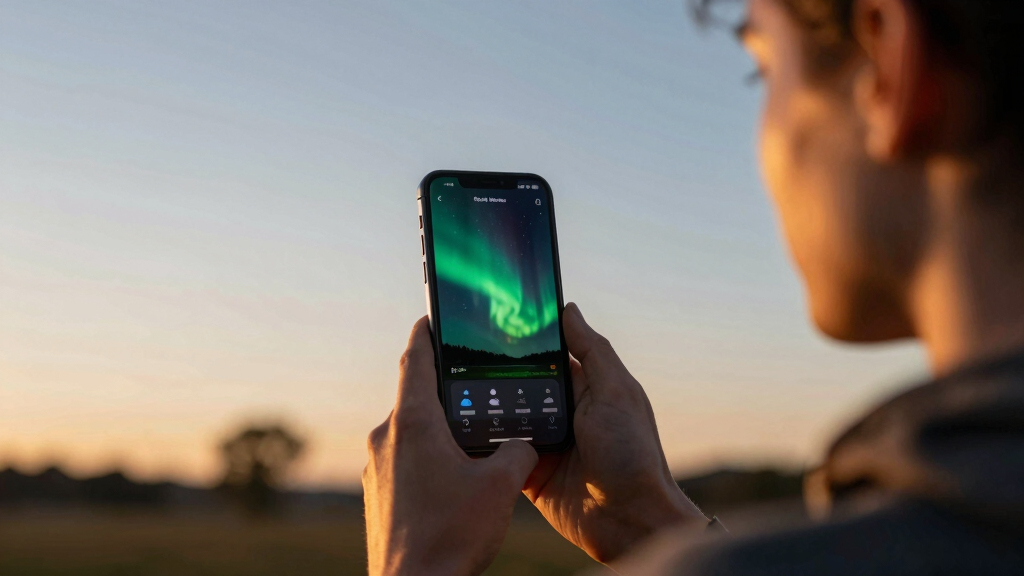
The northern lights could be visible across nine U.S. states along the northern border on Sunday night, according to a forecast from the National Oceanic and Atmospheric Administration (NOAA). This potential visibility is linked to a coronal mass ejection from the sun, which is expected to cause geomagnetic storms that enhance aurora activity. The event is significant for skywatchers and could extend aurora visibility farther south than usual.
NOAA predicts a Kp index of five out of nine for Sunday night, indicating moderate geomagnetic activity that could make the aurora borealis brighter and more dynamic. The forecast suggests the aurora might be visible in North Dakota, much of the Michigan Upper Peninsula, northern Minnesota, northern Montana, and the northernmost parts of Washington, Idaho, Wisconsin, and South Dakota. Visibility in these areas depends on clear skies and minimal light pollution.
The forecast follows the release of a coronal mass ejection (CME) from the sun on Saturday, which is expected to reach Earth by Monday. This CME could trigger minor to strong geomagnetic storms, potentially increasing the aurora’s visibility and intensity over the coming days. NOAA warns that the geomagnetic storm scale ranges from G1 to G3, with G3 being strong, which could cause disruptions to satellite and radio communications.
Why It Matters
This event matters because it provides an unusual opportunity for residents and tourists in northern states to observe the northern lights without traveling to Alaska or northern Canada. Additionally, strong geomagnetic storms can temporarily impact satellite operations and communications, making awareness important for relevant industries and agencies. For sky enthusiasts, it presents a chance to witness a natural phenomenon that is typically limited to higher latitudes.
best camera for aurora photography
As an affiliate, we earn on qualifying purchases.
As an affiliate, we earn on qualifying purchases.
Background
Coronal mass ejections are large expulsions of solar material that interact with Earth’s magnetic field, causing geomagnetic storms. These storms can enhance aurora visibility and are more likely during periods of increased solar activity. Historically, geomagnetic storms have been linked to solar cycles, with peaks occurring roughly every 11 years. The last significant CME causing widespread aurora displays was earlier this year, and this current event follows a similar pattern of solar activity.
“The geomagnetic storms caused by this CME could make the aurora visible much farther south than usual, possibly reaching parts of the northern United States.”
— an anonymous researcher
warm clothing for northern lights viewing
As an affiliate, we earn on qualifying purchases.
As an affiliate, we earn on qualifying purchases.
What Remains Unclear
While NOAA’s forecast indicates a moderate chance of aurora visibility, weather conditions such as cloud cover could prevent viewing in some areas. The precise intensity and duration of the geomagnetic storms are also uncertain, and the actual visibility will depend on local conditions and sky clarity.
portable telescope for stargazing
As an affiliate, we earn on qualifying purchases.
As an affiliate, we earn on qualifying purchases.
What’s Next
Next steps include monitoring NOAA’s updates on geomagnetic activity and weather forecasts. If conditions remain favorable, skywatchers should look for auroras Sunday night between 10 p.m. and 2 a.m. local time. Authorities and astronomy groups may issue further guidance closer to the event.
light pollution filter for camera
As an affiliate, we earn on qualifying purchases.
As an affiliate, we earn on qualifying purchases.
Key Questions
Which states are most likely to see the northern lights on Sunday?
According to NOAA, the northern lights could be visible in North Dakota, much of the Michigan Upper Peninsula, northern Minnesota, northern Montana, and the northernmost parts of Washington, Idaho, Wisconsin, and South Dakota.
What is causing the increased aurora activity?
A coronal mass ejection from the sun on Saturday is expected to reach Earth by Monday, triggering geomagnetic storms that enhance aurora visibility.
What is the best time to view the northern lights?
Experts recommend viewing between 10 p.m. and 2 a.m., when auroras tend to be most active, and from locations with clear, dark skies away from city lights.
Will weather affect the visibility of the aurora?
Yes, cloud cover and local weather conditions could obscure the aurora, even if geomagnetic activity is high.
Could this event impact communications or satellites?
Strong geomagnetic storms can temporarily disrupt satellite and radio communications, but such effects are typically limited to the duration of the storms.
Source: Google Trends
Fall Picks
fall essentials
As an affiliate, we earn on qualifying purchases.