TL;DR
A solar coronal mass ejection is expected to cause geomagnetic activity tonight, potentially lighting up the northern skies of 19 U.S. states. Visibility depends on atmospheric and magnetic conditions, with amateur observers encouraged to look northward. For the best chances, see if the Northern Lights forecast for Monday night.
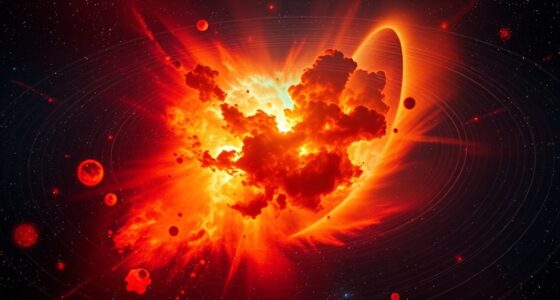
The aurora borealis may be visible in up to 19 U.S. states tonight as a result of a solar coronal mass ejection interacting with Earth’s magnetic field, according to forecast models. This rare event depends on multiple factors aligning, including sky darkness and atmospheric conditions, making it a notable opportunity for skywatchers in northern regions.
The event originated from a coronal mass ejection (CME) launched by the Sun, which is expected to reach Earth within the next 24 hours. You can check the Northern Lights forecast for this weekend for updates. The forecast from NOAA indicates the geomagnetic activity could reach G1 to G2 levels, classified as minor to moderate geomagnetic storms, which can enhance aurora visibility at lower latitudes than usual.
Regions most likely to see the northern lights include northern parts of Washington, Idaho, Montana, North Dakota, South Dakota, Minnesota, Wisconsin, Michigan, and Maine. Keep an eye on local forecasts or the Northern Lights visibility updates for your area. In these areas, geomagnetic activity could produce visible auroras, especially if skies are clear and dark. Some southern parts, like Oregon, Wyoming, Nebraska, and Illinois, might also see faint auroras low on the northern horizon, contingent on the storm’s strength and local conditions.
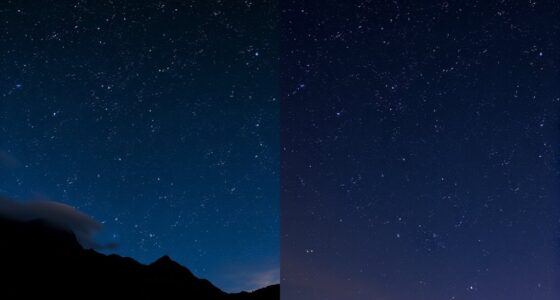
While the event is forecasted to be moderate, the actual visibility depends on several variables, including the orientation of the interplanetary magnetic field and local weather conditions. The phenomenon may be more visible with long-exposure photography, especially in dark, light-pollution-free locations.
Potential for Widespread Aurora Display Across U.S.
This event highlights how solar activity can produce visible effects on Earth’s atmosphere, offering a rare opportunity for amateur astronomers and sky enthusiasts. Even moderate geomagnetic storms like G1 or G2 can extend aurora visibility further south than usual, creating memorable experiences and increasing public interest in space weather phenomena.
Additionally, the event underscores the importance of monitoring space weather forecasts, as geomagnetic activity can influence satellite operations, communications, and power grids, even at lower storm levels.

K&F CONCEPT Light Stand for Photography, 9.1ft/2.8M Extendable Tripod
- Sturdy and Stable: High-quality metal construction for durability
- Extendable Adjustment: Height adjustable from 112cm to 280cm
- Wide Compatibility: Fits various photography accessories and devices
As an affiliate, we earn on qualifying purchases.
As an affiliate, we earn on qualifying purchases.
Solar Ejections and Geomagnetic Storms Explained
The current event follows a coronal mass ejection (CME) from the Sun, which sends charged particles toward Earth. CMEs can take several days to arrive and are often associated with solar flares. When these particles interact with Earth’s magnetic field, they can trigger geomagnetic storms, which are classified from G1 (minor) to G5 (extreme).
Historically, geomagnetic storms of G1 or G2 levels have produced visible auroras at higher latitudes, but during strong solar activity, they can sometimes be observed further south. The last similar event occurred in 2023, when auroras were visible as far south as Colorado and northern California.
The forecast for tonight depends on the solar cloud’s magnetic orientation and local atmospheric conditions, both of which are still being monitored in real-time.
“Geomagnetic activity could reach G1 to G2 levels, increasing the likelihood of aurora visibility in parts of the northern United States tonight.”
— NOAA Space Weather Prediction Center

Celestron SkyMaster 15×70 Astronomy Binoculars for Stargazing and Deep-Sky
- Powerful Magnification: 15x magnification for detailed viewing
- Tripod Compatible: Easily mounts on standard tripods
- Bright Views: BaK-4 prisms for enhanced brightness
As an affiliate, we earn on qualifying purchases.
As an affiliate, we earn on qualifying purchases.
Forecast Accuracy Depends on Dynamic Space Weather
The actual intensity and visibility of the aurora depend on real-time conditions, including the magnetic orientation of the incoming solar particles and local weather. These factors can cause the forecast to improve or weaken during the night, making the event’s outcome uncertain.
It is not yet confirmed whether the geomagnetic storm will reach the predicted G1 or G2 levels, and visibility in some regions may be less than expected due to cloud cover or moonlight.

CrystalSylara Outdoor Puffy Camping Blanket, Abstract Sunset Packable Down Alternative Puffy Printed Wearable Blanket with Snap Buttons & Corner Loops Weatherproof Quilt for Outdoor Travel Stadium
- Ideal Gift: Perfect for camping and hiking lovers
- Compact Design: Easy to pack and carry
- Sunset Pattern: Stylish abstract sunset design
As an affiliate, we earn on qualifying purchases.
As an affiliate, we earn on qualifying purchases.
Monitoring and Observation Opportunities Tonight
Space weather agencies will continue to monitor the solar cloud’s approach and magnetic properties. Observers are encouraged to check local forecasts and be prepared to look northward after sunset. If conditions are favorable, amateur astronomers and skywatchers may capture images of the aurora borealis, which could be visible for several hours.
Further updates are expected overnight as NOAA and other agencies refine their predictions based on incoming data.

ENOKIK Aurora Light Projector Northern Lights Bluetooth Speaker, Pure Black
- 5-in-1 Galaxy Projector: Projects stars, auroras, and more
- 33 Lighting Atmospheres: 16 dynamic effects for varied moods
- Adjustable Flow Speeds: Customize brightness and speed easily
As an affiliate, we earn on qualifying purchases.
As an affiliate, we earn on qualifying purchases.
Key Questions
Can I see the northern lights from anywhere in the U.S.?
No, auroras are most likely to be visible in northern states such as Washington, Idaho, Montana, North Dakota, South Dakota, Minnesota, Wisconsin, Michigan, and Maine. Some southern regions may see faint auroras near the horizon if conditions are favorable.
What conditions are best for viewing the aurora borealis?
Dark, clear skies away from light pollution, with a northern horizon view, increase the chances of seeing auroras. The moon phase and local weather also significantly affect visibility.
How long will the aurora be visible tonight?
The aurora could be visible for several hours, depending on the strength of the geomagnetic storm and local conditions. Monitoring real-time space weather updates can help determine the best viewing times.
Will the aurora be visible with the naked eye?
Yes, but the brightness and colors may vary. Long-exposure photography can reveal colors and details that are faint or invisible to the naked eye, especially in low-light, dark-sky locations.
Source: Google Trends