TL;DR

Get the latest gadgets delivered free with Prime
- Fast, free delivery on millions of items
- Prime Video, Amazon Music and more included
- Member-only deals all year
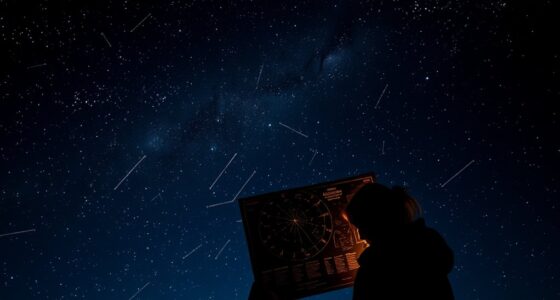
A solar coronal mass ejection is expected to cause a G2-class geomagnetic storm, making the northern lights potentially visible in 19 U.S. states on Monday night. Visibility depends on clear skies and magnetic conditions. For more details on when to watch, check the Northern Lights forecast.
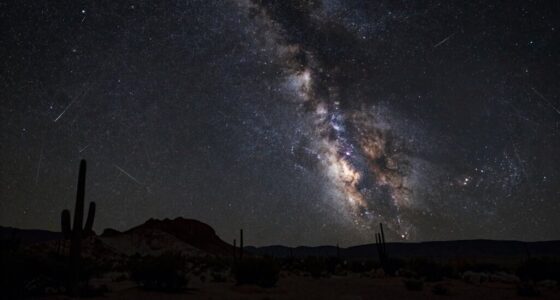
The northern lights, or aurora borealis, may be visible from up to 19 U.S. states along the northern border on the night of June 29-30, due to a geomagnetic storm triggered by a coronal mass ejection (CME) from the sun. This is the first significant aurora forecast linked to this solar activity, which could make the northern horizon glow with colored lights for skywatchers in targeted regions.
According to space weather models and NOAA forecasts, a CME that left the sun late on June 26 is expected to arrive on Earth, potentially sparking a G2-class geomagnetic storm. This level of activity could produce visible auroras across parts of Montana, North Dakota, Minnesota, Wisconsin, and neighboring states, especially if skies are clear and magnetic conditions are favorable.
The forecast indicates that auroras might be visible in the northernmost parts of Washington, Idaho, Montana, North Dakota, South Dakota, Minnesota, Wisconsin, Michigan, and Maine. Additional states such as Oregon, Wyoming, Nebraska, Iowa, Illinois, Indiana, Ohio, New York, Vermont, and New Hampshire could also experience faint auroras, depending on local weather and magnetic activity. The forecast emphasizes that clear, dark skies and minimal light pollution enhance the chances of seeing the northern lights.
Experts note that a G1 or G2 geomagnetic storm is not typically strong enough for widespread aurora displays but can still produce visible phenomena in northern regions. The aurora’s visibility is highly dependent on the interplanetary magnetic field’s Bz component, which influences how solar particles interact with Earth’s magnetosphere. Long-exposure photography can help capture faint auroras that might not be visible to the naked eye.
Why This Aurora Forecast Matters for U.S. Skywatchers
This forecast is significant because it presents a rare opportunity for residents in northern U.S. states to observe the northern lights without traveling abroad. Aurora displays are usually associated with high-latitude regions, but geomagnetic storms can extend visibility further south. For amateur astronomers and casual skywatchers, this event offers a chance to witness a natural light show that is typically limited to Canada and northern Europe.
Additionally, understanding space weather impacts is crucial for satellite operations, power grids, and communication systems. While this storm is not expected to cause major disruptions, it highlights the importance of monitoring solar activity and geomagnetic conditions.
best binoculars for aurora viewing
As an affiliate, we earn on qualifying purchases.
As an affiliate, we earn on qualifying purchases.
Recent Solar Activity and Aurora Forecasting Methods
The current forecast stems from a CME that originated from the sun late on June 26, a typical driver of geomagnetic storms when directed toward Earth. Space weather agencies, including NOAA and the UK Met Office, have modeled the CME’s travel time and potential impact strength, predicting a G1 or G2-level storm upon arrival.
This event follows recent solar activity, including solar flares and CMEs, which periodically increase aurora visibility in the northern hemisphere. Forecasting relies on real-time solar wind data, magnetic field measurements, and models of Earth’s magnetosphere, with the Bz component playing a critical role in aurora formation.
While forecasts are generally reliable within a day or two, space weather conditions can change rapidly, and actual aurora visibility depends on local weather and atmospheric clarity.
“The CME arriving late on June 26 has the potential to produce a G2-class geomagnetic storm, which could make the northern lights visible across parts of the northern U.S.”
— an anonymous space weather expert
tripod for long exposure photography
As an affiliate, we earn on qualifying purchases.
As an affiliate, we earn on qualifying purchases.
Factors Influencing Actual Aurora Visibility
While forecasts predict a G2-class storm, actual aurora visibility depends on several variables, including local weather conditions, cloud cover, and the precise orientation of Earth’s magnetic field at the time. The strength and duration of the aurora display are also uncertain, as space weather can change rapidly, and the Bz component may shift unexpectedly. Therefore, some regions may not experience visible auroras despite the forecast.
As an affiliate, we earn on qualifying purchases.
Monitoring and Preparing for Possible Aurora Sightings
Skywatchers in the affected states should monitor real-time aurora forecasts via NOAA and dedicated apps like Aurora Now or My Aurora Forecast. If clear skies persist, observers are encouraged to find dark, open areas away from city lights and use long-exposure photography to capture the phenomenon. The best viewing window is expected during the late evening hours of June 29 and early morning hours of June 30.
Scientists and weather agencies will continue to track the CME’s progress and update forecasts accordingly. Any significant change in magnetic conditions or cloud cover could alter the likelihood of aurora sightings.
LED headlamp for night sky observation
As an affiliate, we earn on qualifying purchases.
As an affiliate, we earn on qualifying purchases.
Key Questions
What causes the northern lights?
The northern lights are caused by solar wind particles interacting with Earth’s magnetic field. When charged particles collide with gases in the atmosphere, they emit light, creating the aurora borealis, especially near the poles.
Which states have the best chance to see the aurora on June 29-30?
The northern parts of Washington, Idaho, Montana, North Dakota, South Dakota, Minnesota, Wisconsin, Michigan, and Maine are most likely to see the aurora, with possible visibility in several other northern states depending on weather and magnetic conditions.
How can I improve my chances of seeing the aurora?
Find a dark, open area away from city lights, check real-time aurora forecasts, and use long-exposure settings on cameras or phones. Clear skies and minimal light pollution significantly increase visibility.
Will this aurora be strong enough for a spectacular display?
This event is expected to produce a G2-class geomagnetic storm, which may result in faint to moderate auroras visible mainly in northern regions. It is unlikely to cause a major, widespread display but still offers a notable viewing opportunity.
Source: Google Trends
Columbus Day / Indigenous Peoples' Day Picks
long weekend sales
As an affiliate, we earn on qualifying purchases.