To excel in natural light photography during golden and blue hours, you should focus on the unique qualities of each. During golden hour, take advantage of warm, soft light to create flattering, nostalgic images with long shadows and rich tones. In blue hour, use longer exposures to capture the calm, surreal atmosphere with cooler hues and reflections. Mastering these lighting conditions will elevate your photos, and exploring further will reveal even more ways to harness their full potential.
Key Takeaways
- Golden hour offers warm, soft light ideal for flattering portraits and landscapes, emphasizing textures and long shadows.
- Blue hour provides cool, subdued lighting perfect for cityscapes, architecture, and creating calm, mysterious atmospheres.
- Planning photos during golden and blue hours enhances natural colors, mood, and depth, capturing authentic and emotionally evocative images.
- Use longer exposures and tripod during blue hour to maximize detail and clarity in low-light conditions.
- Both golden and blue hours create unique lighting effects that highlight subjects’ features and add atmospheric quality impossible with artificial light.
Natural light photography harnesses the beauty of sunlight to create stunning images without the need for artificial lighting. The key is understanding how different times of day influence the quality, color, and mood of your photos. Two of the most magical moments for capturing natural light are during the golden hour and the blue hour. These periods offer distinct lighting conditions that can transform an ordinary shot into something extraordinary.
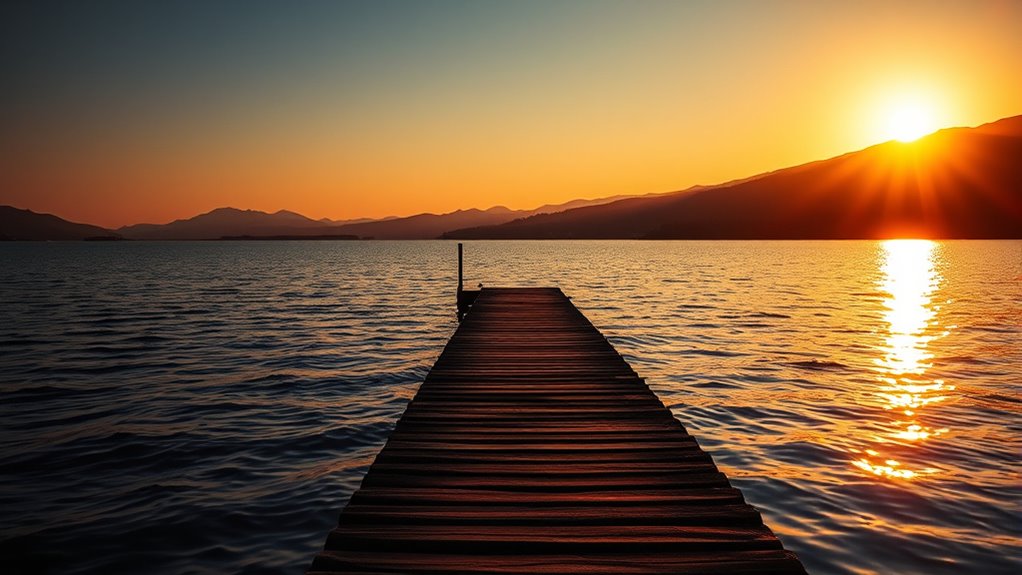
As the sun rises or sets, you enter the golden hour, a period characterized by warm, soft, and diffused sunlight. During this time, the light bathes your scene in a gentle glow, emphasizing rich warm tones and long shadows. You’ll find that this light flatters skin tones, enhances textures, and adds a sense of warmth and intimacy to your images. When shooting during the golden hour, you should position your subject or scene so that the sunlight hits from the side or back, creating a natural rim light that highlights details and adds depth. This timing is ideal for landscapes, portraits, and any scene where you want to evoke feelings of comfort, nostalgia, or romance. The low angle of the sun during golden hour also means you can experiment with silhouettes, capturing striking outlines against a vibrant sky.
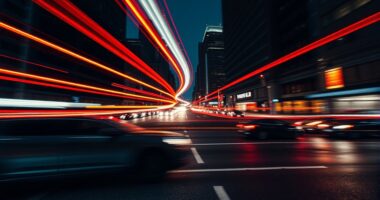
On the other hand, the blue hour occurs shortly after sunset or just before sunrise, when the sun is below the horizon but the sky remains illuminated with a deep, rich blue. During this period, the light is cooler and more subdued, lending a calm, mysterious, or even surreal quality to your photographs. Unlike the golden hour’s warm glow, blue hour lighting allows for a more muted, subtle palette that can emphasize mood, atmosphere, and contrast. To make the most of blue hour, you should set your camera to a longer exposure to capture more light and detail in low-light conditions. This is especially effective when photographing cityscapes, architecture, or landscapes, as the ambient blue tones can enhance reflections, shadows, and silhouettes. Using a tripod helps prevent camera shake during longer exposures, ensuring sharp images that showcase the serenity and quiet beauty of this time.
Timing is essential when working with these natural light conditions. Planning your shoot around the golden hour and blue hour will give you the best chance to take advantage of their unique qualities. By understanding how sunlight changes during these periods, you’ll be able to craft images that resonate emotionally, with natural light highlighting your subject’s best features while adding mood and atmosphere that artificial lighting often can’t replicate.
Frequently Asked Questions
How Can I Predict the Exact Timing of Golden and Blue Hours?
You can predict the exact timing of golden and blue hours by tracking the solar position and light intensity. Use apps or websites that provide accurate sunrise and sunset times based on your location. These tools often include golden and blue hour calculators, helping you plan your shoot. Keep in mind, the duration varies with seasons, so check daily updates for precise timing and ideal lighting conditions.
What Camera Settings Work Best During These Light Conditions?
Think of your camera as a painter’s palette during golden and blue hours. Use a wide aperture (like f/2.8 or f/4) to capture the soft, warm glow or cool tones, and keep ISO low (around 100-400) to avoid grain. Adjust shutter speed to balance brightness, ensuring your image is neither overexposed nor too dark. This way, you harness the gentle light and create stunning, mood-rich photos.
Are There Specific Subjects That Look Better in Golden and Blue Hours?
During golden and blue hours, you’ll notice certain subjects stand out more due to improved subject compatibility and color enhancement. Landscapes, cityscapes, and portraits benefit most, as the warm and cool tones complement natural features and skin tones. Architectural elements and reflective water surfaces also shine, creating striking visual effects. These hours help you highlight textures and colors, making your photos more vivid and emotionally engaging.
How Does Weather Affect the Quality of Natural Light During These Hours?
Imagine capturing a serene landscape just as the golden hour begins, but heavy cloud cover dims the sunlight. Weather, especially cloud cover and atmospheric conditions, directly influences the quality of natural light during these hours. Clear skies produce warm, vibrant tones, while overcast skies create softer, cooler hues. Humidity and haze can add a dreamy quality or reduce contrast, so your photos depend heavily on the weather’s influence during these precious moments.
Can I Shoot Professional-Quality Photos Solely During Golden and Blue Hours?
You can definitely shoot professional-quality photos during golden and blue hours, especially for stunning golden hour portraits and mesmerizing blue hour cityscapes. These times offer soft, warm, and diffused light that enhances your images. However, for maximum versatility and variety, consider shooting outside these hours too. Combining golden and blue hour shots with other lighting conditions can give your portfolio more depth and creativity.
Conclusion
Embrace the gentle dance of natural light, allowing the golden and blue hours to subtly enhance your photographs. By trusting these fleeting moments, you’ll discover a quiet elegance that elevates your work beyond the ordinary. With patience and an attentive eye, you’ll find that the most exquisite images often emerge when you least expect them. Let these delicate hues guide your creative journey, revealing a timeless beauty that whispers softly through your lens.