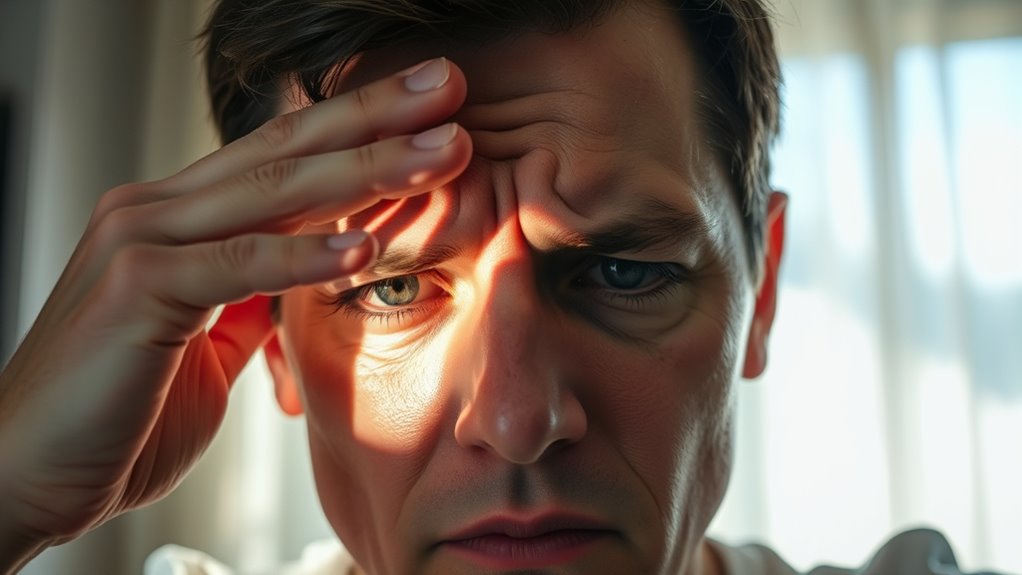
If you’re experiencing photophobia, bright lights may cause discomfort, headaches, or nausea. Common triggers include sunlight, fluorescent lighting, screens, and reflections, often linked to migraines or other health issues. You can manage it by wearing sunglasses outdoors, adjusting indoor lighting, or using screen filters. Creating a soothing environment and consulting an eye care professional for persistent symptoms can help. Keep exploring to find more practical tips and ways to protect your eyes effectively.
Key Takeaways
- Photophobia involves light sensitivity causing discomfort, often triggered by bright environments, screens, or glare.
- Underlying health issues like migraines or neurological conditions can contribute to increased light sensitivity.
- Managing photophobia includes using sunglasses, controlling indoor lighting, and applying screen filters to reduce triggers.
- Creating a calming environment with soft, indirect lighting helps minimize symptoms and eye strain.
- Persistent or severe photophobia warrants consulting an eye care professional for diagnosis and potential specialized treatment.
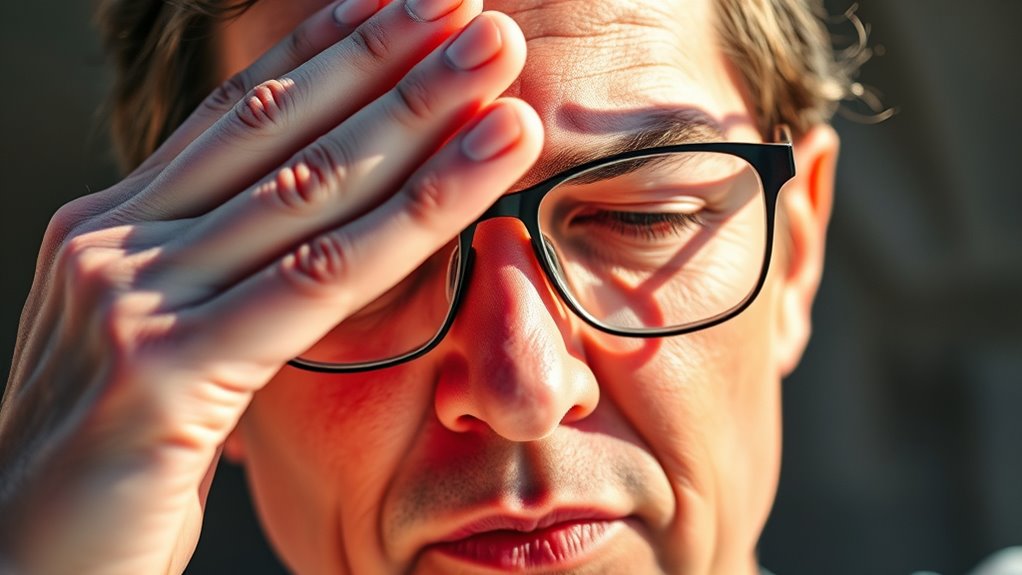
Photophobia, or light sensitivity, is a common condition that causes discomfort or pain in your eyes when exposed to bright lights. When you encounter intense illumination, your eyes may feel overwhelmed, leading to squinting, headaches, or even nausea. Understanding the light sensitivity triggers is essential for managing this condition effectively. Bright sunlight, fluorescent lighting, computer screens, and even glare from reflective surfaces can all provoke symptoms. Sometimes, specific triggers are linked to underlying health issues, like migraines, eye infections, or neurological conditions, but often, bright lights alone are enough to cause discomfort. Recognizing what sets off your light sensitivity helps you take proactive steps to reduce exposure and alleviate symptoms.
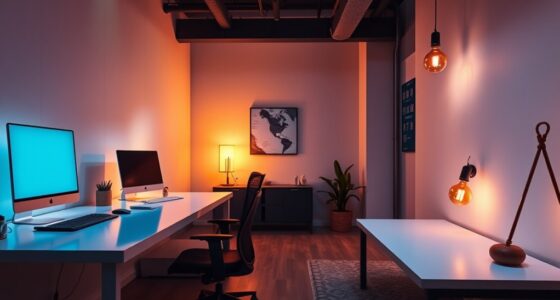
To cope with light sensitivity triggers, you can adopt several strategies. Wearing sunglasses or photochromic glasses outdoors can greatly reduce harsh sunlight, providing your eyes with the relief they need. When indoors, use curtains, blinds, or dimmer switches to control the intensity of light in your environment. Applying tinted lenses or specialized filters on screens can also help minimize glare from computers, smartphones, or tablets. Taking regular breaks from screens—like the 20-20-20 rule, which suggests looking at something 20 feet away for 20 seconds every 20 minutes—can reduce eye strain and lessen light sensitivity symptoms. Additionally, maintaining good eye hygiene and staying hydrated can support overall eye health, making your eyes more resilient to light triggers.
Implementing proper Ring security cameras setup and maintenance can also help you monitor your environment for potential sources of glare or bright light that may exacerbate your sensitivity. Creating a calming environment plays a vital role in managing light sensitivity. Soft, indirect lighting is gentler on your eyes than harsh, direct sources. If you’re in a setting with intense lighting, adjusting your position or shielding your eyes with your hand or a hat brim can provide immediate relief. For those with chronic or severe light sensitivity, consulting an eye care professional is wise. They may recommend specialized lenses or evaluate for underlying conditions that contribute to your symptoms. Remember, managing light sensitivity isn’t just about avoiding triggers; it’s about understanding how your eyes respond and implementing practical steps to protect them.

FIMILU 2 Packs Sunglasses for Women Polarized UV400 Protection Lens Big Frame Fashion Glasses Trendy Stylish Shade
- Stylish Big Frame Design: Show off your personality and fashion
- TAC Polarized Lenses: Reduce glare for clear vision
- Value Pack of Two: Perfect for sharing or gifting
As an affiliate, we earn on qualifying purchases.
As an affiliate, we earn on qualifying purchases.
Frequently Asked Questions
Can Photophobia Be a Sign of a Brain Tumor?
Yes, photophobia can be a sign of a brain tumor, especially if accompanied by other neurological signs like headaches, vision changes, or seizures. Brain tumor symptoms vary but often include increased intracranial pressure and neurological deficits. If you experience persistent light sensitivity along with these symptoms, you should seek medical evaluation promptly. Early diagnosis and treatment are vital for addressing potential serious underlying conditions, including brain tumors.
Are There Natural Remedies to Reduce Photophobia?
Think of light sensitivity as a delicate plant that needs gentle care. Natural remedies like wearing tinted glasses or using chamomile tea can help soothe your eyes. You might also try relaxing eye exercises or adjusting your environment to reduce glare. While these remedies won’t cure underlying issues, they can ease discomfort and make exposure to bright light more manageable. Always consult a healthcare professional for persistent or severe symptoms.
How Long Does Photophobia Usually Last After a Concussion?
After a concussion, your light sensitivity or photophobia can last from a few days to several weeks, depending on the severity of the injury. Symptom duration varies individually, so you might experience relief sooner or need more time for recovery. To help reduce discomfort, limit exposure to bright lights, wear sunglasses indoors, and rest your eyes. If symptoms persist beyond a few weeks, consult a healthcare professional for further evaluation.
Is Photophobia Common in Children With Migraines?
Yes, photophobia is common in children with migraines. If your child has a pediatric migraine, they often experience childhood light sensitivity, making bright lights uncomfortable or even painful. This light sensitivity can be a persistent symptom during migraine episodes. You can help by encouraging your child to rest in a dark, quiet room and avoiding bright screens or sunlight to reduce their discomfort and manage their symptoms effectively.
Can Photophobia Be Reversed Permanently?
Yes, photophobia can be reversed in many cases, especially if the light sensitivity and eye discomfort are caused by temporary issues like eye strain or migraines. If the underlying problem is treated early, your eye discomfort often improves, reducing light sensitivity over time. However, if the cause is a chronic condition or nerve damage, it might be permanent. Consult an eye specialist for personalized advice and effective management options.

Magicmoon 2-Pack 24 Inch Computer Privacy Screen Filter, Anti-Spy/Glare Protector Film for Widescreen Monitor with 16:9 Aspect Ratio (Width x Height: 531mm x 298mm)
- Compatible Models: Fits 24 inch widescreen monitors
- Superior Privacy: Darkens screen at angles 30-60 degrees
- Eye Protection: Blocks 30% of harmful blue light
As an affiliate, we earn on qualifying purchases.
As an affiliate, we earn on qualifying purchases.
Conclusion
Understanding the causes of photophobia is essential, but uncovering its true source can sometimes lead you down unexpected paths. While managing symptoms offers relief, the underlying issue might still be lurking beneath the surface. Will you discover the root cause in time, or will it silently persist, waiting to reveal itself when you least expect it? Stay vigilant, and don’t ignore the warning signs—you might be closer to answers than you think.
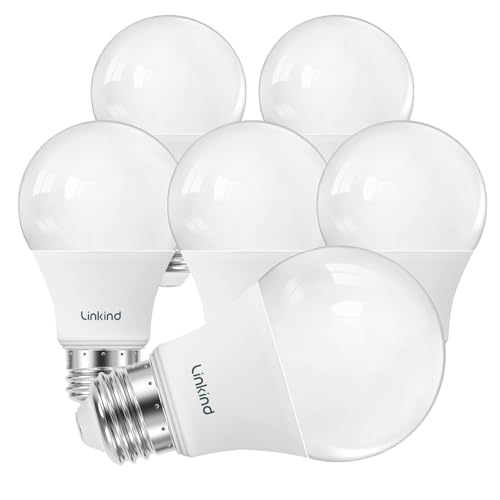
Linkind A19 LED Light Bulbs Dimmable, 60W Equivalent, Energy Efficient 9W, 2700K, 800 Lumens, E26 Standard Base, Lighting for Bedroom Living Room Home Office, 6 Packs
- Warm Yellowish Light: 2700K cozy color light
- Energy Efficient: 85% energy saving, 9W power
- Long Lasting: Lasts at least 13 years
As an affiliate, we earn on qualifying purchases.
As an affiliate, we earn on qualifying purchases.

UV400 Photochromic Polarized Safety Glasses–Impact Resistant Outdoor Sports & Work Eyewear, Polarized Sports Sunglasses
- Photochromic Lenses: Automatically darken in sunlight
- UV400 Protection: Blocks 100% of UVA & UVB rays
- Polarized Vision: Reduces glare for sharper vision
As an affiliate, we earn on qualifying purchases.
As an affiliate, we earn on qualifying purchases.