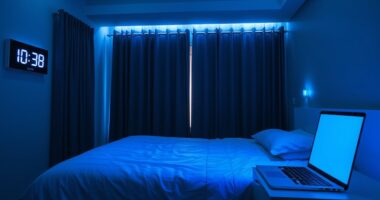
Light therapy is a helpful way to support dementia patients by improving sleep, mood, and daily routines through exposure to bright light, especially in the morning. It helps regulate your loved one’s circadian rhythms, reduces nighttime awakenings, and promotes better alertness during the day. Using specialized light boxes safely and consistently can make a real difference. If you want to explore how to optimize this approach for your family, you’ll find more useful details ahead.
Key Takeaways
- Light therapy helps regulate circadian rhythms, improving sleep patterns and reducing behavioral issues in dementia patients.
- Morning exposure to bright light (~10,000 lux) enhances alertness and stabilizes daily routines.
- Proper use of specialized light boxes ensures safety and maximizes therapeutic benefits.
- Light therapy can alleviate mood disturbances and cognitive decline associated with dementia.
- Consultation with healthcare providers is recommended before starting light therapy for personalized guidance.
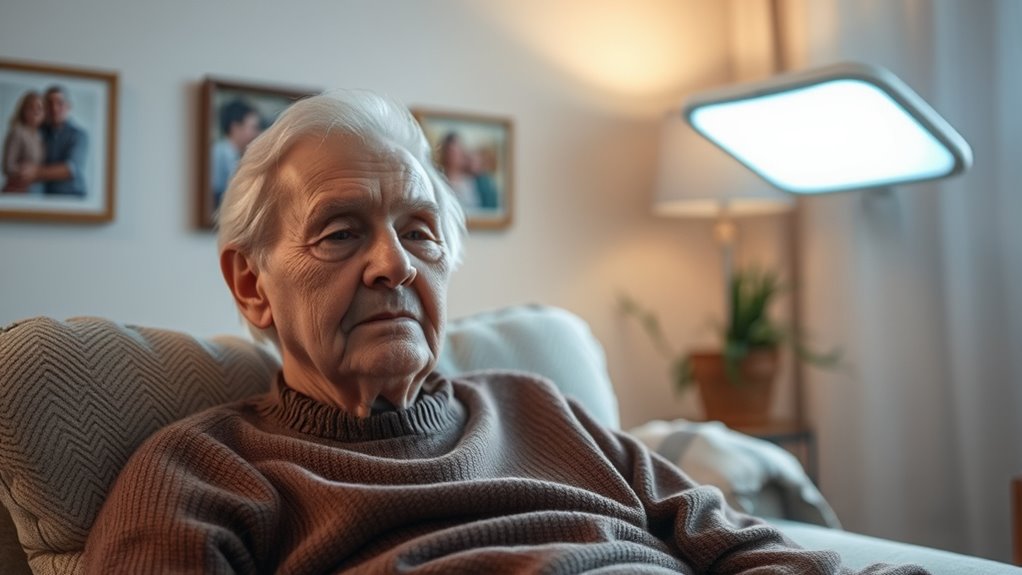
Light therapy has emerged as a promising non-pharmacological approach to help manage symptoms of dementia. Many people with dementia experience disruptions in their daily routines and sleep patterns, which can intensify cognitive decline and behavioral issues. One reason light therapy is gaining attention is its potential to regulate circadian rhythms, the internal biological clock that controls sleep-wake cycles. When these rhythms are misaligned, individuals often suffer from insomnia, daytime fatigue, and mood disturbances. Light therapy works by exposing you to bright, artificial light at specific times, helping to reset your internal clock and improve overall well-being.
Light therapy helps regulate sleep and mood in dementia by resetting the body’s internal clock.
You might find that light therapy is particularly effective if you or your loved one struggle with Seasonal Affective Disorder (SAD), a type of depression linked to reduced sunlight during fall and winter. SAD shares common pathways with dementia-related sleep and mood disturbances, and bright light exposure can lift mood and restore normal sleep patterns. By mimicking natural sunlight, light therapy can combat the symptoms of SAD and may alleviate some of the emotional and cognitive challenges faced by those with dementia. You’ll likely notice improvements in alertness, mood, and even social engagement when light therapy is integrated into daily routines.
The key to successful light therapy lies in timing and intensity. For dementia patients, morning sessions of bright light—typically around 10,000 lux—are recommended to simulate natural sunlight and reinforce circadian rhythms. Consistency is vital; you should aim for daily exposure at the same time to establish a stable routine. This regularity helps your body recognize when it’s time to be awake and alert, promoting better sleep at night. As your internal clock aligns, you may experience fewer nighttime awakenings and feel more rested during the day, which can profoundly improve quality of life.
Implementing light therapy requires careful attention to safety and comfort. You should sit close to a specialized light box, ensuring the light reaches your eyes indirectly without causing discomfort or glare. It’s essential to consult with healthcare providers before starting, especially if you have underlying eye conditions or are taking medications that increase light sensitivity. Properly used, light therapy can serve as a valuable tool in managing the complex sleep and mood issues associated with dementia, helping you or your loved one regain a sense of normalcy and stability in daily life. Additionally, understanding the importance of indoor light quality can enhance the effectiveness of therapy and overall well-being.
Frequently Asked Questions
Can Light Therapy Replace Medication for Dementia Symptoms?
Light therapy can’t replace medication for dementia symptoms, but it serves as a helpful alternative treatment. You should view it as a complementary approach rather than a direct medication comparison. While light therapy can improve mood, sleep, and behavioral issues, medications often target specific cognitive symptoms. Combining both strategies may offer the best results, but always consult your healthcare provider to develop a personalized plan tailored to your needs.
How Long Does Each Light Therapy Session Typically Last?
Each light therapy session typically lasts about 30 minutes, but the ideal timing can vary based on individual needs. You should aim for sessions in the morning to help regulate sleep and improve mood. Consistency is key, so try to stick to a regular schedule. If you’re unsure, consult a healthcare professional to tailor the session duration and timing for the best results.
Are There Any Risks or Side Effects Associated With Light Therapy?
You should know that light therapy is generally safe, but there are some safety concerns and potential side effects to contemplate. You might experience eye strain, headaches, or mild agitation if the light is too bright or used improperly. It’s important to follow your healthcare provider’s guidance and monitor for any adverse reactions. While risks are minimal, staying aware of these potential side effects helps ensure safe and effective treatment.
Is Light Therapy Suitable for All Types of Dementia?
Think of light therapy as a tailored suit—what fits one might not fit another. You should know that its suitability varies across different dementia types like Alzheimer’s or vascular dementia. Each person’s individual response can differ, making it essential to consult healthcare providers. While it can be beneficial, light therapy isn’t suitable for everyone, so evaluating personal needs ensures it’s a good fit for your loved one.
What Is the Best Time of Day to Administer Light Therapy?
You should administer light therapy in the morning to support circadian alignment and achieve ideal timing. Morning exposure helps regulate your sleep-wake cycle, boosts alertness, and improves mood throughout the day. Avoid late afternoon or evening sessions, as they can disrupt sleep patterns. By scheduling light therapy early, you maximize its benefits, helping dementia patients maintain a more regular routine and enhancing overall well-being.
Conclusion
You now see how light therapy can brighten the lives of dementia patients, helping improve their mood and daily functioning. It’s a promising tool that can make a real difference when used correctly. Don’t throw in the towel too soon—sometimes, a little light can go a long way. By embracing this approach, you’re taking a step in the right direction, giving hope for better days ahead for those who need it most.