If you experience mood swings, tiredness, or a lack of motivation during winter, light therapy could help. It works by mimicking natural sunlight, boosting your serotonin levels and resetting your internal clock. Just 20-30 minutes each morning with a light box can improve your mood and sleep patterns. Consistency is key, and choosing the right device guarantees safety and effectiveness. Keep exploring to discover how light therapy can brighten your winter months.
Key Takeaways
- Light therapy mimics natural sunlight to improve mood and reduce depression symptoms associated with Seasonal Affective Disorder.
- Exposure to a bright light for 20-30 minutes each morning helps reset circadian rhythms disrupted during darker months.
- Regular use of light therapy increases serotonin levels, promoting feelings of well-being and emotional stability.
- Proper positioning and consistent daily use of a light box are essential for effective treatment of SAD.
- Consulting healthcare professionals is recommended to select appropriate light therapy devices and optimize treatment outcomes.

As the days grow shorter and sunlight becomes scarce, many people find themselves feeling more tired, moody, or unmotivated—symptoms of Seasonal Affective Disorder (SAD). This shift in mood and energy levels can profoundly impact your daily life, making it harder to stay productive or even enjoy simple activities. Light therapy offers a practical solution that can help you combat these symptoms effectively. By exposing yourself to a bright light that mimics natural sunlight, you can promote mood enhancement and stabilize your emotional state during the darker months. The light influences your brain’s chemistry, increasing the production of serotonin, the neurotransmitter linked to feelings of happiness and well-being. As a result, you may notice an uplift in your mood and a reduction in feelings of depression or irritability. Besides improving your emotional outlook, light therapy also plays an essential role in sleep regulation. During winter, shorter daylight hours can throw off your internal clock, leading to irregular sleep patterns or difficulty waking up in the morning. The bright light helps reset your circadian rhythm, signaling to your body that it’s daytime and promoting better sleep-wake cycles. Consistent exposure to bright light in the morning can help you fall asleep more easily at night and wake up feeling more refreshed. It’s like giving your internal clock a gentle nudge back into sync with the natural cycle of day and night. You don’t need to spend hours in front of a light box—just 20 to 30 minutes each morning can make a noticeable difference. Position the light box at eye level, about 16 to 24 inches away, and keep your eyes open without staring directly into the light. This way, you can go about your morning routine while still benefiting from the light therapy. Many people find that regular use of a light box not only improves their mood but also reduces the fatigue that often accompanies SAD. This dual benefit of mood enhancement and sleep regulation makes light therapy a compelling option for managing seasonal depression. Proper light box selection is important to ensure the therapy is effective and safe. Remember, consistency is key—using the therapy daily during the darker months will give you the best results. If you’re unsure about the right type of light box or how to incorporate it into your routine, consult a healthcare professional for personalized advice. Ultimately, light therapy can be a simple, effective way to lift your spirits and restore your sleep patterns, helping you feel more balanced and energized throughout the season.

Verilux HappyLight Luxe – Light Therapy Lamp with 10,000 Lux, UV-Free, LED Bright White Light with Adjustable Brightness, Color, Countdown Timer, & Stand – Boost Mood, Sleep, Focus (White)
Bright Light Therapy: HappyLight Luxe delivers up to 10,000 Lux of UV-Free, LED, full-spectrum light for effective, safe,…
As an affiliate, we earn on qualifying purchases.
As an affiliate, we earn on qualifying purchases.
Frequently Asked Questions
Can Light Therapy Be Used Alongside Medication for SAD?
Yes, you can use light therapy alongside medication for sadness. Combining treatments often enhances overall therapy effectiveness, helping you manage symptoms more effectively. Talk to your doctor before starting any new treatment to guarantee it’s safe and suitable for your needs. A combination treatment approach can provide a thorough strategy, addressing different aspects of your condition and improving your overall well-being.
What Are the Long-Term Effects of Light Therapy?
You can experience long-term benefits from light therapy, leading to sustained improvements in mood and energy levels. While most people tolerate it well, some might notice minor side effects like eye strain or headaches over time. Regular use, combined with proper guidance, helps guarantee lasting positive effects. Remember, consistent application can maximize benefits, but it’s wise to check in with your healthcare provider periodically to monitor your progress and adjust treatment if needed.
Is Light Therapy Effective for Children With SAD?
You wonder if light therapy is effective for children with sad feelings. It can be, as it helps improve mood and reduce symptoms of child depression by regulating their circadian rhythms. You should know that light therapy offers a safe, non-invasive option, but it’s essential to consult a healthcare professional to guarantee proper use and monitor progress. With consistent application, it can be a valuable tool for managing child depression symptoms.
How Does Light Therapy Compare to Antidepressants?
Light therapy often works as well as antidepressants for mood improvement, but it’s more natural and has fewer side effects. It helps regulate your circadian rhythms and boosts Vitamin D production, which can enhance mood. While antidepressants target brain chemistry directly, light therapy aligns your internal clock and increases Vitamin D, providing a complementary approach. You might find combining both options most effective, depending on your needs.
Are There Any Risks or Side Effects From Light Therapy?
Like a double-edged sword, light therapy can bring benefits and risks. You might experience eye strain or headaches, and if you’re exposed to too much UV light, it could harm your skin or eyes. Always follow guidelines, avoid staring directly into the light, and consult a healthcare professional if you notice side effects. Proper use minimizes risks, ensuring you enjoy the therapy’s benefits safely.
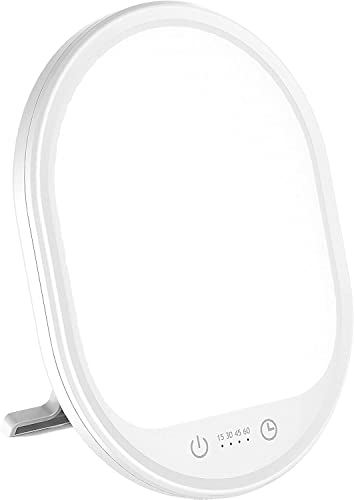
UV-Free 10000 Lux Daylight Lamp – Touch Control with 3 Brightness Levels & 4 Timer Functions, Large Surface & Rotatable Stand for Home/Office
Set & Customize Your timer-【Revitalizing Light Therapy Lamp】Upgrade your daily routine with our new and innovative Light Therapy…
As an affiliate, we earn on qualifying purchases.
As an affiliate, we earn on qualifying purchases.
Conclusion
You might think winter blues are just a mild inconvenience, but they can feel like an unstoppable storm draining every ounce of joy from your life. Light therapy isn’t just a simple fix—it’s like flipping on a world-changing switch that banishes darkness and floods your days with sunshine. Don’t let seasonal affective disorder rule your life—grab the light and reclaim your happiness before winter’s gloom completely takes over!
sunlight simulator for winter blues
As an affiliate, we earn on qualifying purchases.
As an affiliate, we earn on qualifying purchases.

Circadian Optics Lumos 2.0 Bright Light Therapy Desk Lamp | As Seen On Shark Tank | Ultra Powerful 10,000 LUX Brightness | 5500K Color Mimics Noon Day Sun | Improve Your Mood, Sleep, Energy & Focus
Bestseller: The Lumos is our best-selling lamp. Hyper-adjustable with it's unique folding mechanism, it allows for the light…
As an affiliate, we earn on qualifying purchases.
As an affiliate, we earn on qualifying purchases.