TL;DR

Get the latest gadgets delivered free with Prime
- Fast, free delivery on millions of items
- Prime Video, Amazon Music and more included
- Member-only deals all year
MIP and AMOLED are two common smartwatch display technologies, each with distinct advantages. MIP offers always-on visibility with better sunlight readability and longer battery life, while AMOLED provides brighter, sharper colors but consumes more power.
Manufacturers are increasingly adopting AMOLED displays for new smartwatches, but many sports and outdoor watches still use MIP screens due to their superior sunlight readability and battery efficiency, according to recent industry reviews.
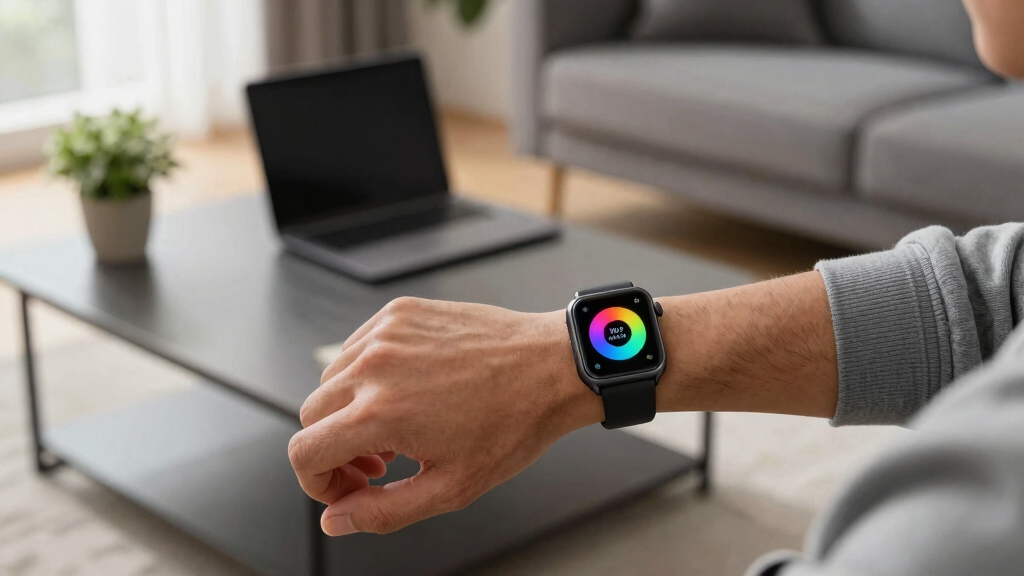
AMOLED displays, common in flagship smartwatches like the Apple Watch and Samsung Galaxy Watch, offer vibrant colors, high resolution, and brightness, but they consume more power, especially when the always-on display (AOD) mode is active. In contrast, MIP (Memory-in-Pixel) screens, found in many Garmin and Polar models, reflect ambient light, making them highly visible outdoors without backlighting, and they can remain always-on without significantly draining the battery.
Market data from July 2026 shows a transition towards AMOLED screens in premium models, while MIP screens remain popular in older or solar-powered watches, such as Garmin’s solar series. Experts note that MIP screens are favored for fitness and outdoor activities where sunlight visibility and battery longevity are priorities, whereas AMOLED screens appeal to users seeking vivid visuals and touchscreen capabilities.
Impacts on Consumer Choice and Device Performance
This comparison influences consumer decisions based on usage habits, with athletes and outdoor enthusiasts preferring MIP for durability and battery life, while tech-savvy users may prioritize AMOLED for display quality. The choice affects daily usability, device longevity, and overall satisfaction, making it a key factor in smartwatch selection.As an affiliate, we earn on qualifying purchases.
Evolution of Watch Display Technologies in 2026
Over the past decade, smartwatch displays have evolved from basic LCDs to high-resolution AMOLED screens, with MIP technology maintaining a niche in outdoor and fitness watches. Recent updates show a market shift, with many brands adopting AMOLED for flagship models, but MIP remains relevant in solar and durable watches, especially in Garmin’s lineup. The debate continues as manufacturers balance display quality with battery efficiency and outdoor readability.“While AMOLED screens offer stunning visuals, MIP displays excel in sunlight visibility and battery life, making them ideal for outdoor use and extended wear.”
— Beth Skwarecki, Senior Health Editor at Lifehacker
AMOLED smartwatch with long battery life
As an affiliate, we earn on qualifying purchases.
As an affiliate, we earn on qualifying purchases.
Remaining Questions About Future Display Developments
It is not yet clear how upcoming advancements in display technology will influence the balance between AMOLED and MIP. Innovations such as low-power AMOLED variants or hybrid screens are still in development, and consumer preferences may shift accordingly. The long-term durability and cost implications of new technologies remain to be seen.As an affiliate, we earn on qualifying purchases.
Upcoming Market Trends and Technological Innovations
Manufacturers are expected to continue refining AMOLED screens for improved power efficiency and sunlight readability, while MIP technology may see enhancements in color range and resolution. Consumer choices will likely be shaped by new flagship models and emerging hybrid display options, with further market analysis anticipated in late 2026.best fitness smartwatch with MIP display
As an affiliate, we earn on qualifying purchases.
As an affiliate, we earn on qualifying purchases.
Key Questions
Which smartwatch displays are better for outdoor use?
MIP displays are generally better for outdoor use because they are highly visible in bright sunlight and can be always-on without draining the battery.
Do AMOLED watches have better color and resolution?
Yes, AMOLED displays typically offer more vibrant colors, higher resolution, and sharper images compared to MIP screens.
Can MIP screens be always on without draining the battery?
Yes, MIP screens can display information constantly with minimal power consumption, making them ideal for long-term outdoor activities.
Are there hybrid displays combining MIP and AMOLED features?
Currently, most watches use either MIP or AMOLED exclusively, but some emerging models may incorporate hybrid or low-power AMOLED variants in the future.
Will AMOLED replace MIP in all future watches?
Not necessarily; while flagship smartwatches favor AMOLED for visual quality, MIP remains relevant in outdoor, rugged, and solar-powered watches due to its durability and efficiency.
Source: Lifehacker
Fall Picks
fall essentials
As an affiliate, we earn on qualifying purchases.