
TL;DR

Get the latest gadgets delivered free with Prime
- Fast, free delivery on millions of items
- Prime Video, Amazon Music and more included
- Member-only deals all year
The FAO has announced that El Niño is imminent and has identified regions at highest risk of drought. This development signals potential food and water security challenges worldwide.
The Food and Agriculture Organization (FAO) has confirmed that El Niño is approaching and has identified specific regions that are likely to face the most severe drought conditions. This forecast is based on recent climate models and trend analyses, and it highlights areas where water shortages and crop failures are expected to intensify, potentially impacting food security and livelihoods worldwide.
The FAO’s latest climate assessment indicates that the upcoming El Niño event could significantly disrupt rainfall patterns in parts of Africa, South America, and Southeast Asia. According to the FAO, regions such as the Horn of Africa, central Brazil, and Indonesia are projected to experience below-average rainfall, increasing the risk of drought and crop failure.
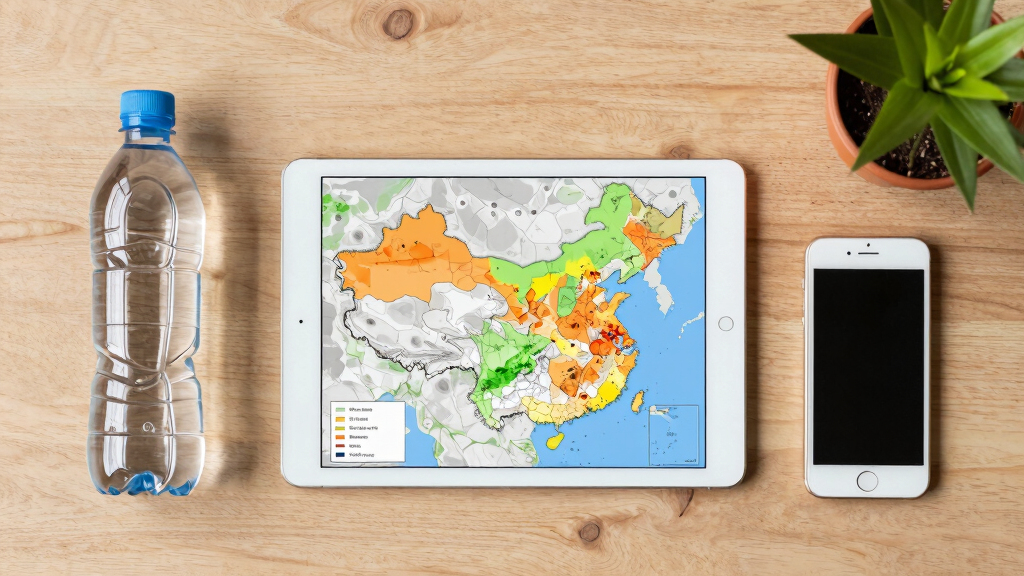
Officials from the FAO stated that their drought risk maps are derived from a combination of satellite data, historical climate patterns, and current oceanic conditions. These maps serve as a tool for governments and aid organizations to prepare for potential food and water shortages.
While the exact intensity and duration of the El Niño event remain uncertain, the FAO emphasizes that early preparedness is crucial to mitigate its impacts, especially in vulnerable rural communities dependent on agriculture.
Implications for Global Food Security
This forecast underscores the potential for widespread food and water shortages, particularly in regions already facing climate vulnerabilities. Governments and international agencies can use this information to prioritize resource allocation, implement drought mitigation strategies, and support affected farmers and communities. The FAO’s identification of high-risk areas allows for targeted interventions to reduce the socio-economic impacts of the upcoming droughts.
As an affiliate, we earn on qualifying purchases.
El Niño and Climate Variability: Recent Trends
El Niño is a natural climate phenomenon characterized by the warming of sea surface temperatures in the central and eastern Pacific Ocean. Historically, El Niño events have been linked to altered weather patterns worldwide, including droughts, floods, and storms. The last significant El Niño occurred in 2015-2016, which caused widespread crop failures and water shortages in many regions.
Climate scientists have observed an increasing frequency and intensity of El Niño events over the past decades, likely influenced by global warming. The FAO’s current forecast aligns with these trends, indicating a need for heightened vigilance and preparedness.
“The upcoming El Niño could exacerbate drought conditions in vulnerable regions, affecting millions of livelihoods and food supplies.”
— FAO spokesperson
water conservation tools for gardening
As an affiliate, we earn on qualifying purchases.
As an affiliate, we earn on qualifying purchases.
Uncertainties in El Niño Intensity and Duration
While the FAO has identified regions at high risk, the exact strength, timing, and duration of the upcoming El Niño remain uncertain. Climate models suggest a range of possible scenarios, and ongoing monitoring is necessary to refine forecasts as conditions develop.
As an affiliate, we earn on qualifying purchases.
Monitoring and Preparedness Efforts Moving Forward
The FAO and partner agencies will continue to monitor oceanic and atmospheric indicators to track the evolution of El Niño. Governments in vulnerable regions are expected to activate drought preparedness plans, while international aid organizations prepare for potential food security interventions. Further updates are anticipated as more data becomes available and the event unfolds.
As an affiliate, we earn on qualifying purchases.
Key Questions
What regions are most at risk from the upcoming El Niño?
According to the FAO, the Horn of Africa, central Brazil, and Indonesia are among the regions most likely to face severe drought conditions.
How does El Niño affect global weather patterns?
El Niño typically causes altered rainfall and temperature patterns worldwide, leading to droughts in some areas and floods in others, impacting agriculture, water resources, and ecosystems.
What can governments do to prepare for droughts caused by El Niño?
Governments can activate drought response plans, promote water conservation, support vulnerable farmers, and coordinate with international agencies to mitigate impacts.
When is the expected peak of the El Niño event?
While exact timing is uncertain, climate models suggest the peak could occur in the second half of 2026, with impacts potentially extending into early 2027.
How reliable are the FAO’s drought risk forecasts?
The FAO’s assessments are based on current satellite data, climate models, and historical trends, but uncertainties remain regarding the precise severity and duration of the event.
Source: Google Trends
Columbus Day / Indigenous Peoples' Day Picks
long weekend sales
As an affiliate, we earn on qualifying purchases.