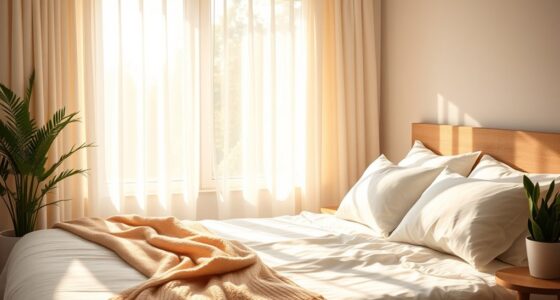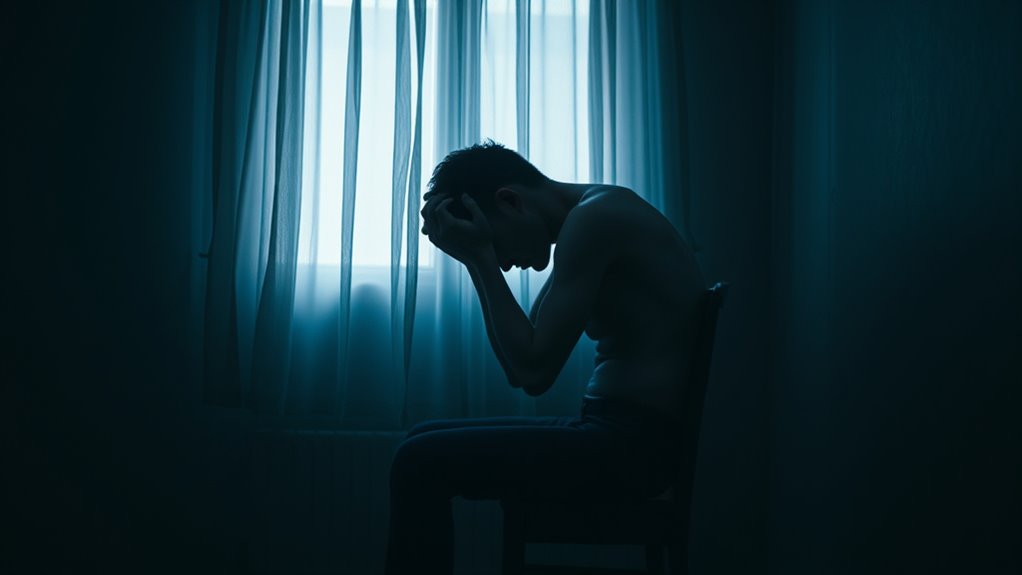
Light plays a crucial role in your mental health by regulating your brain’s chemistry, especially during darker months. Less sunlight can decrease serotonin levels, leading to feelings of depression and anxiety, while increased light boosts mood and reduces symptoms. Proper exposure to natural or artificial light helps reset your circadian rhythms, improving sleep and emotional stability. Understanding how light influences your mood can empower you to manage seasonal changes better—stay with us to explore more effective ways to support your mental well-being.
Key Takeaways
- Reduced sunlight during darker months can lower serotonin levels, increasing depression and anxiety symptoms.
- Light therapy using bright artificial lights can help alleviate seasonal affective disorder and improve mood.
- Exposure to natural light helps regulate circadian rhythms, supporting better sleep and emotional stability.
- Lack of sunlight elevates melatonin production, leading to fatigue, lethargy, and worsened mental health.
- Proactively managing light exposure through outdoor activities and artificial lighting benefits mental well-being year-round.
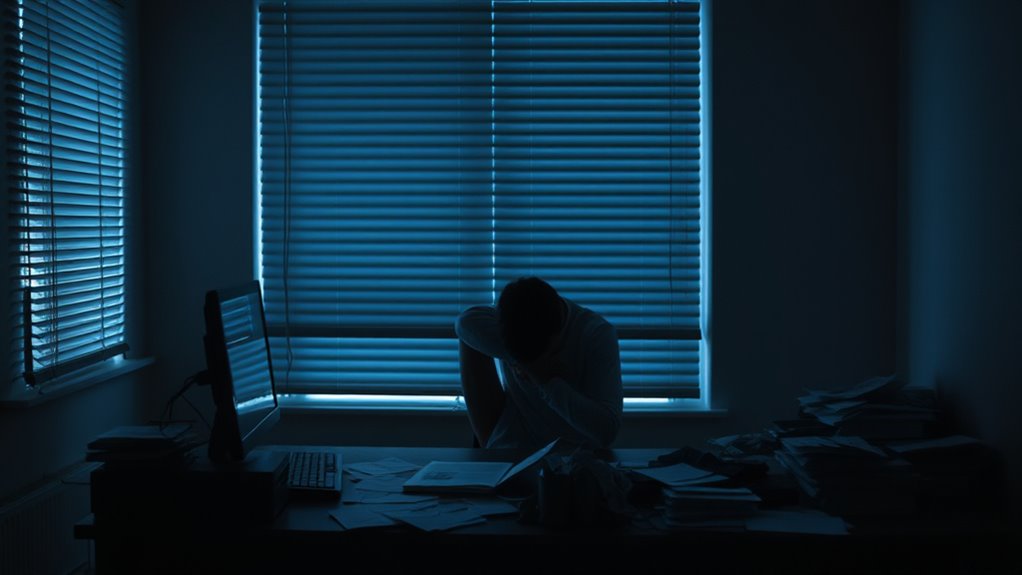
Have you ever wondered how the light around you influences your mental health? The connection between light and your mood is stronger than you might realize. As daylight shifts with the seasons, so can your emotional state. Seasonal affective disorder, or SAD, is a prime example of how changes in light exposure can impact your mental health. During the darker months, you might notice feelings of sadness, fatigue, or even a sense of hopelessness that seem to come and go with the seasons. This isn’t just in your head; it’s rooted in biological responses to light levels. Your body’s internal clock, known as circadian rhythms, relies heavily on natural light cues to regulate sleep, alertness, and mood. When these rhythms are disrupted by reduced sunlight, it can throw off your mental equilibrium.
Your circadian rhythms are like an internal schedule that keeps your body in sync with the day-night cycle. When daylight diminishes, especially during fall and winter, your body produces more melatonin, the hormone that makes you feel sleepy. While necessary for sleep, excess melatonin at the wrong times can lead to feelings of lethargy, low energy, and even depressive symptoms. Conversely, the increase in darkness can also influence serotonin levels, the neurotransmitter linked to happiness and well-being. Reduced sunlight can cause serotonin to dip, leaving you feeling anxious or down. That’s why many people experience a dip in mood during darker months, and why light therapy—exposing yourself to bright artificial light—can effectively counteract these effects. Additionally, understanding the importance of light exposure in maintaining mental health can help you develop effective strategies to support your emotional well-being.
Understanding how seasonal affective disorder works helps you see why maintaining a consistent light exposure is crucial. It’s not just about feeling more alert but also about stabilizing your mood and reducing anxiety. Light influences the production and regulation of key hormones and neurotransmitters, which can either lift your spirits or leave you feeling weighed down. If you’re prone to depression or anxiety, paying attention to your light environment can make a significant difference. Simple steps like spending more time outside during daylight hours or using a light therapy box can help reset your circadian rhythms and improve your mental health. Recognizing the importance of natural and artificial light in maintaining your emotional balance empowers you to take proactive steps, especially during the darker months, ensuring your mental well-being stays in check all year round.
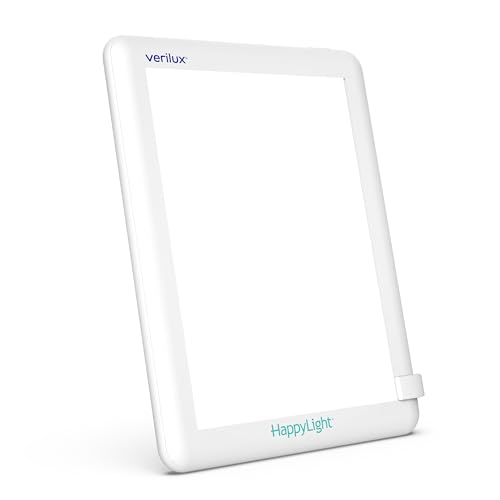
Verilux HappyLight Lucent – One-Touch Light Therapy Lamp with 10,000 Lux, UV-Free, LED Bright White Light & Detachable Stand for Boosting Mood & Improving Sleep
One-Button Light Therapy: The easiest light therapy lamp you’ll ever use! Just press the on/off button and you’re…
As an affiliate, we earn on qualifying purchases.
As an affiliate, we earn on qualifying purchases.
Frequently Asked Questions
Can Light Therapy Replace Medication for Depression?
Light therapy can be a helpful alternative treatment for depression, but it usually doesn’t replace medication for everyone. Its efficacy varies; some people experience significant improvements, while others need additional support. You should consider light therapy as part of a holistic treatment plan, especially for seasonal affective disorder. Always consult your healthcare provider to determine the best approach for your mental health needs, and don’t rely solely on light therapy without professional guidance.
Does Natural Light Exposure Improve Anxiety Symptoms?
Yes, natural light exposure can improve anxiety symptoms. Sunlight benefits include boosting your mood and regulating your sleep, which helps reduce anxiety levels. By spending time outdoors and increasing your light exposure, you activate your body’s natural processes that combat stress. Make it a habit to get sunlight during the day, especially in the morning, to experience these benefits and support your mental health effectively.
How Does Light Affect Sleep Patterns Related to Mental Health?
You might be surprised to learn that 75% of adults experience sleep issues linked to disrupted circadian rhythms. Light plays a vital role in regulating melatonin, a hormone that signals your body when to sleep. Exposure to natural light during the day helps reset your internal clock, promoting better sleep patterns. Conversely, too much artificial light at night can suppress melatonin, making it harder to fall asleep and negatively affecting your mental health.
Are Certain Light Wavelengths More Effective for Mood Improvement?
Blue light is most effective for mood improvement because it influences your circadian rhythms, helping regulate your sleep-wake cycle. Exposure to blue light during the day boosts alertness and mood, while reducing it in the evening supports better sleep. You should aim for natural blue light in the daytime and limit artificial blue light before bed to optimize your mental health and overall well-being.
Can Exposure to Bright Screens Worsen Depression or Anxiety?
Like a modern-day Pandora’s box, bright screens can worsen depression or anxiety if you’re not careful. Excessive screens brightness and prolonged exposure may cause circadian disruption, messing with your sleep patterns and mood. This disruption can deepen feelings of depression or anxiety. To protect your mental health, limit screen time before bed and keep brightness at comfortable levels, helping to maintain your natural rhythm and emotional well-being.

Wake Up Light Sunrise Alarm Clock for Kids, Heavy Sleepers, Bedroom, with Sunrise Simulation, Sleep Aid, Dual Alarms, FM Radio, Snooze, Nightlight, Daylight, 7 Colors, 7 Natural Sounds, Ideal for Gift
【Wake Up Light with Sunrise simulation】 This Sleep Aid digital alarm clock is designed for everyone, especially for…
As an affiliate, we earn on qualifying purchases.
As an affiliate, we earn on qualifying purchases.
Conclusion
As you shine a light on your daily routine, remember that exposure to natural light acts like a gentle compass guiding your mental health toward balance. By embracing sunlight, you’re planting seeds of hope and resilience amidst the shadows of depression and anxiety. Let the sun’s warmth be a beacon, illuminating your path to wellness. In this dance with light, you hold the power to brighten your mind and lift your spirit.

sunsy Shine – The Full-Spectrum Truly Flicker-Free Sunlight Bulb for Humans – Boosts Energy, Mood, and Circadian Rhythm for Better Health – Near Perfect CRI – US-Based Company
Natural Sunlight Experience – Our patented SunLike full-spectrum LED mimics daylight to create a vibrant, uplifting ambiance for…
As an affiliate, we earn on qualifying purchases.
As an affiliate, we earn on qualifying purchases.

Red Light Therapy for Body, 2000mAh Rechargeable Cordless Portable Light Therapy Pad, 660&850nm Infrared Light Therapy for Back Waist Shoulder Knee Joint, Home Outdoor, Gifts for Women Men(13.6"x5.9")
【Upgraded 2026 Red Light Therapy for Body】Experience the wellness of our upgraded red light therapy for body. Equipped…
As an affiliate, we earn on qualifying purchases.
As an affiliate, we earn on qualifying purchases.